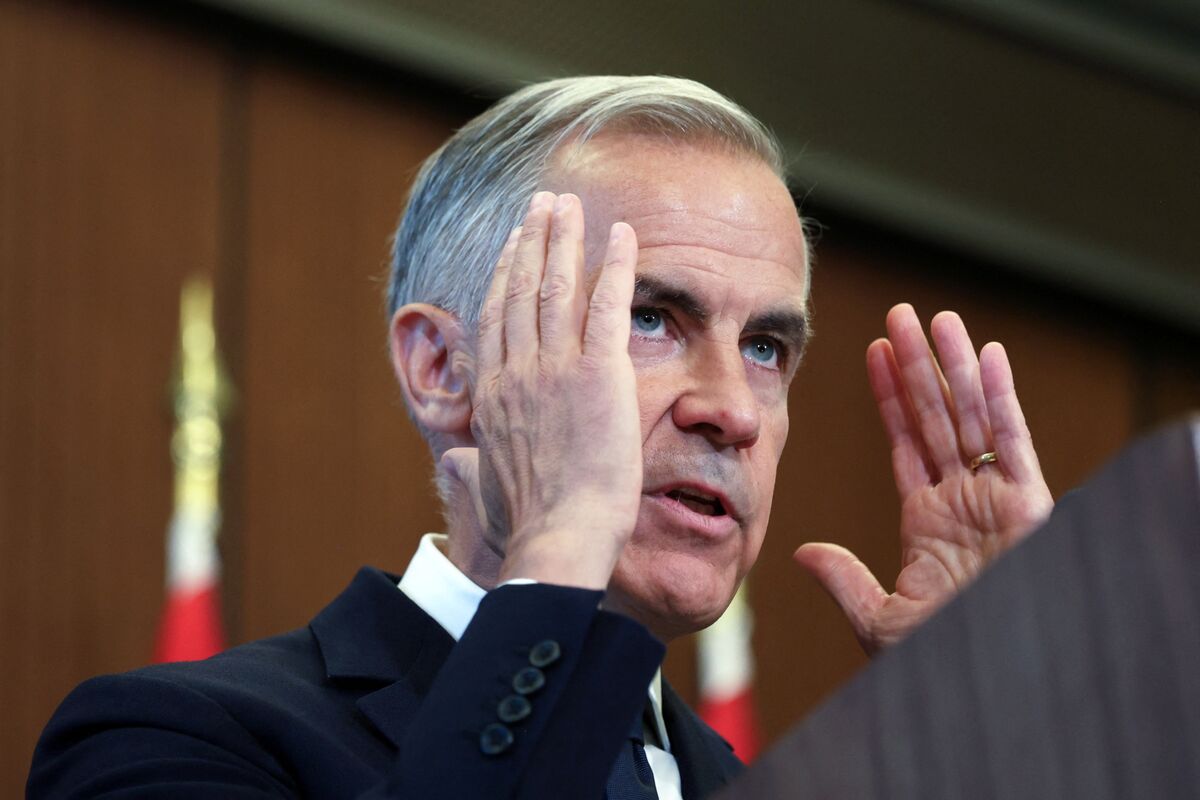
Canada will match Trump’s tariff moves by doubling its counter-tariffs to 50% on US steel and aluminum and adding new 50% duties on US milk, furniture, clothing/apparel, and select electronics (including smartphones and video-game consoles) across 700+ American-made products. The government also announced support programs for affected Canadian businesses amid the ongoing trade war. This escalates trade friction and is likely to be sector-moving for industrial materials and consumer electronics supply chains.
This is not a clean single-stock event for DJT; it is a volatility and attention-beta event. The direct earnings linkage is negligible, so any move in the name is mostly a function of whether investors interpret escalating trade friction as politically favorable for Trump or as a macro drag that raises inflation, lowers risk appetite, and compresses speculative multiples. In practice, the second effect tends to dominate after the first 24-72 hours because DJT trades like a thinly capitalized political sentiment vehicle, not a tariff beneficiary.
The real economic losers are import-heavy retailers, consumer electronics, and discretionary brands that will face margin pressure or eventually need to pass through higher prices. That pass-through matters because it can keep core goods inflation sticky, delaying Fed easing and pressuring high-duration equities broadly; that is the indirect channel that can hurt DJT even if the stock initially catches a headline bid. The support measures also reduce the odds of a quick policy capitulation, so this looks more like a 1-3 month grind than a one-day shock.
Contrarian view: consensus may be overestimating how much tariff headlines matter to a stock with no operating leverage to trade policy. Unless the escalation starts showing up in consumer confidence, CPI, or retail earnings, the market may fade the news quickly. The cleanest signal that the thesis is breaking would be a de-escalation headline, broad tariff carve-outs, or a risk-on tape that lifts speculative growth despite higher trade noise.
AI-powered research, real-time alerts, and portfolio analytics for institutional investors.
Request DemoOverall Sentiment
mildly negative
Sentiment Score
-0.35
Ticker Sentiment
