
Xi’s Unprecedented Tax Clawback Hammers Chinese Listed Companies
Source: Bloomberg
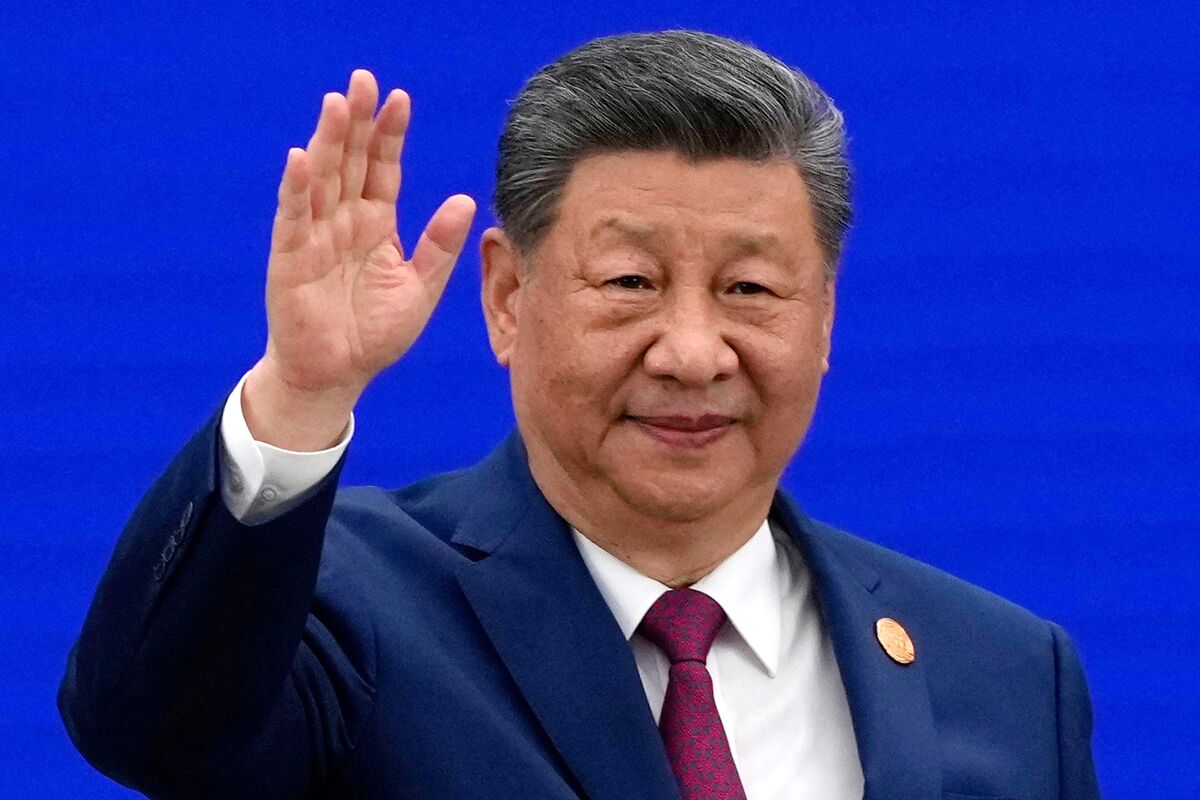
China’s tax authorities served Heilongjiang Agriculture with a 2025 tax bill equal to 120% of its net income after claiming prior perks were ineligible. Over three days in June, the stock’s market value fell by hundreds of millions of dollars, wiping out about 20% of market cap as investors digested the clawback.
Analysis
This is less a one-off earnings problem than a governance-and-liquidity event: once investors believe cash flows can be re-interpreted retroactively, the right discount rate for China small-cap equity rises. The immediate loser is any listed subsidiary with opaque related-party benefits, tax incentives, land use concessions, or subsidy dependence; the second-order effect is a broader widening of the “policy risk” premium versus larger, more liquid SOEs and offshore ADRs. That should weigh most on low-float A-share names where balance-sheet flexibility is limited and minority shareholders have the weakest protection.
The important catalyst path is not days but 1-3 months, when other companies disclose contingencies, auditors reprice reserves, or tax bureaus either emulate the move or quietly stop after this one case. If more clawbacks surface, the market will move from idiosyncratic outrage to a structural expropriation narrative, and small-cap China multiples could compress another turn or two even without further profit hits. If nothing else appears and the parent absorbs the bill, the stock may stabilize, but the governance discount will likely remain embedded for 6-18 months.
Contrarian: consensus may be treating this as a localized tax dispute, but the more material read-through is that fiscal stress can trump stated policy support, especially at the municipal/provincial level. That said, the move in the single name may already be extreme enough that chasing the first leg lower has worse asymmetry than expressing the view through a basket or pair. The cleanest falsifier is a formal reversal, waiver, or public assurance that no similar reviews will hit comparable listed companies.
AllMind Terminal
AI-powered research, real-time alerts, and portfolio analytics for institutional investors.
Request TrialMarket Sentiment
Overall Sentiment
moderately negative
Sentiment Score
-0.55
Ticker Sentiment
Key Decisions for Investors
- If borrow is available, short YYYH on strength over the next 1-2 weeks and cover only if management secures a formal reversal or parent indemnity; base case is another 10-20% downside as reserves and governance discount are re-rated.
- Use YYYH puts rather than stock if liquidity permits; prefer 1-3 month tenor to capture follow-on disclosure risk without paying for a long-duration policy thesis.
- For China exposure, consider a relative-value short ASHR versus long FXI/KWEB only if you want to express a widening governance discount between onshore small caps and more liquid offshore names; cut the trade if peer tax actions do not emerge within 4-6 weeks.
- Set a watch item on other listed Chinese subsidiaries with unusually high subsidy/tax benefit dependence; if two or more similar clawbacks surface, scale the short book in China small caps materially.
- Do not blanket-short Chinese equities on this alone; if the next earnings season shows no reserve buildup outside this issuer, treat it as a single-name accounting shock rather than a systemic policy campaign.
More News
- Nasdaq Index: AI Selloff Deepens as Chips and CoreWeave Break
- U.S. debt interest payments hit $3 billion a day and jumped 8% in fiscal 2026 — faster than total federal spending, revenue and GDP growth
- AI stocks plunge. Inflation heats up. Where we're still finding opportunities
- Semiconductor market to remain solid ‘at least through next year,’ South Korea finance minister says
- TSMC posts a sixth straight record profit but turns cautious on 2027
- Bending Spoons wants to revive software castoffs. Berkshire is backing the plan