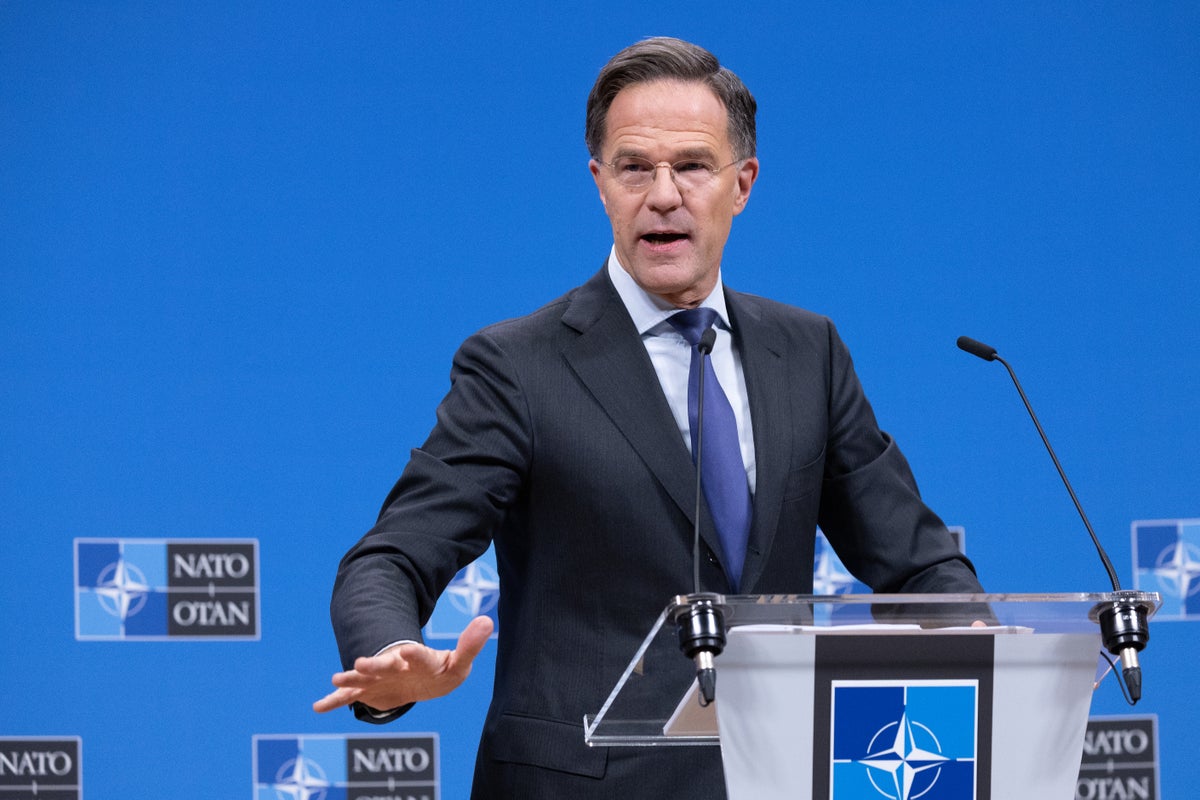
Russia has launched three days of nuclear-related military drills in Belarus, deploying nuclear munitions and testing nuclear-capable missiles, while NATO warned of a "devastating" response if nuclear weapons are used against Ukraine. The exercise involves more than 64,000 personnel, over 7,800 pieces of equipment, 200+ missile launchers, 140+ aircraft, 73 surface ships and 13 submarines, underscoring elevated escalation risk around Ukraine and the Baltic region. The article also reports fresh cross-border strikes and warnings of a possible new Russian ground offensive toward Kyiv.
The market implication is less about the headline nuclear rhetoric and more about the widening probability distribution for European risk premia. Even if nuclear use remains a low-probability tail event, signaling around drills, Belarus, and northern pressure on Kyiv raises the odds of an extended, higher-intensity conflict window that keeps European defense, energy-security, and border-infrastructure spending elevated for quarters rather than weeks. That tends to support NATO-linked defense primes while pressuring assets with large Ukraine/Belarus transit exposure and any business model dependent on a quick normalization of Eastern Europe trade routes.
The second-order effect is logistics disruption, not just battlefield escalation. A credible threat of a renewed push toward Kyiv or increased drone/rail attacks increases the cost of moving freight through the region and raises insurance, rerouting, and inventory-buffer requirements across Central and Eastern Europe. That is bearish for regional rail, road, and industrial names with thin margins and just-in-time supply chains, while indirectly constructive for defense electronics, munitions, counter-UAS, and hardened communications vendors.
The key risk catalyst is policy, not military, over the next 1-6 weeks: any Western escalation in sanctions, air-defense deployments, or emergency funding could reprice defense beneficiaries quickly, while a visible de-escalation or failed offensive would fade the premium. The market is likely underpricing the asymmetry that even a small probability of tactical nuclear signaling keeps European volatility elevated; in contrast, the upside for defense order books is more durable because procurement decisions rarely reverse on a headline cycle.
Contrarianly, the consensus may be too focused on the nuclear tail and not enough on conventional attrition. If Russia is using nuclear messaging primarily to deter deeper NATO involvement, the near-term investable effect is a slower, not faster, escalation path that still supports defense demand without triggering broad market contagion. That argues for owning quality defense exposure on pullbacks rather than chasing crisis hedges at inflated vol levels.
AI-powered research, real-time alerts, and portfolio analytics for institutional investors.
Request DemoOverall Sentiment
strongly negative
Sentiment Score
-0.55
Ticker Sentiment
