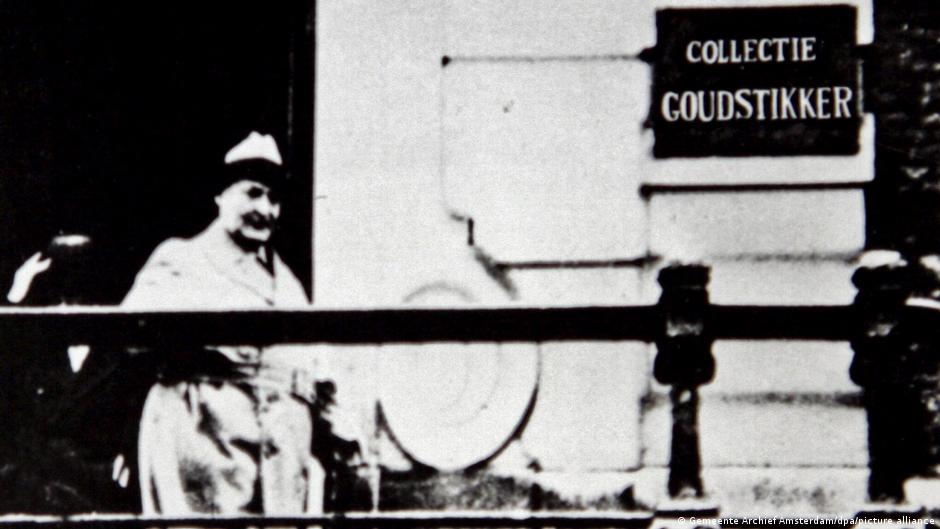
A Nazi-looted painting, "Portrait of a Young Girl" by Toon Kelder, has been identified in the possession of descendants of Dutch collaborator Hendrik Seyffardt and traced back to the Jacques Goudstikker collection. Lawyers for Goudstikker's heirs are seeking restitution, but authorities say legal time limits have expired and private owners cannot be compelled to return it. The case adds another high-profile example of unresolved Nazi-looted art claims.
This is not an art-market story so much as a reputational-risk event for Dutch high-net-worth families and institutions that have been slow-walking provenance cleanup. The second-order effect is on the illiquidity discount for any private collection with a Nazi-era chain of title: once one heir goes public, the incentive for other descendants, advisers, and insurers to preemptively surface questionable works rises sharply. That should increase the pace of restitutions and settlements over the next 6-18 months, but it also raises transaction friction for European private sales, where buyers will demand deeper provenance reps and warranty protection.
The legal asymmetry is important: when public bodies cannot compel return but social pressure can, the real “enforcement” mechanism becomes headline risk. That means the next catalyst is not court action but another family member, archivist, or journalist linking a work to wartime records. The market impact is mostly on intermediaries—auction houses, private dealers, and insurers—because they are the parties forced to absorb diligence cost, indemnity risk, and deal delays. Expect a modest but durable widening of spreads on any lot with incomplete pre-1945 provenance.
The contrarian view is that the immediate monetary impact is small and the broader market may overestimate how many comparable works are actually monetizable. In practice, many assets remain trapped in private homes, and restitution outcomes are path-dependent, slow, and highly jurisdiction-specific. The bigger investable implication is not “art prices fall,” but that provenance verification becomes a more valuable service line than trophy-art trading, especially as governments and heirs become more coordinated and public pressure becomes the decisive lever.
AI-powered research, real-time alerts, and portfolio analytics for institutional investors.
Request DemoOverall Sentiment
neutral
Sentiment Score
-0.10
