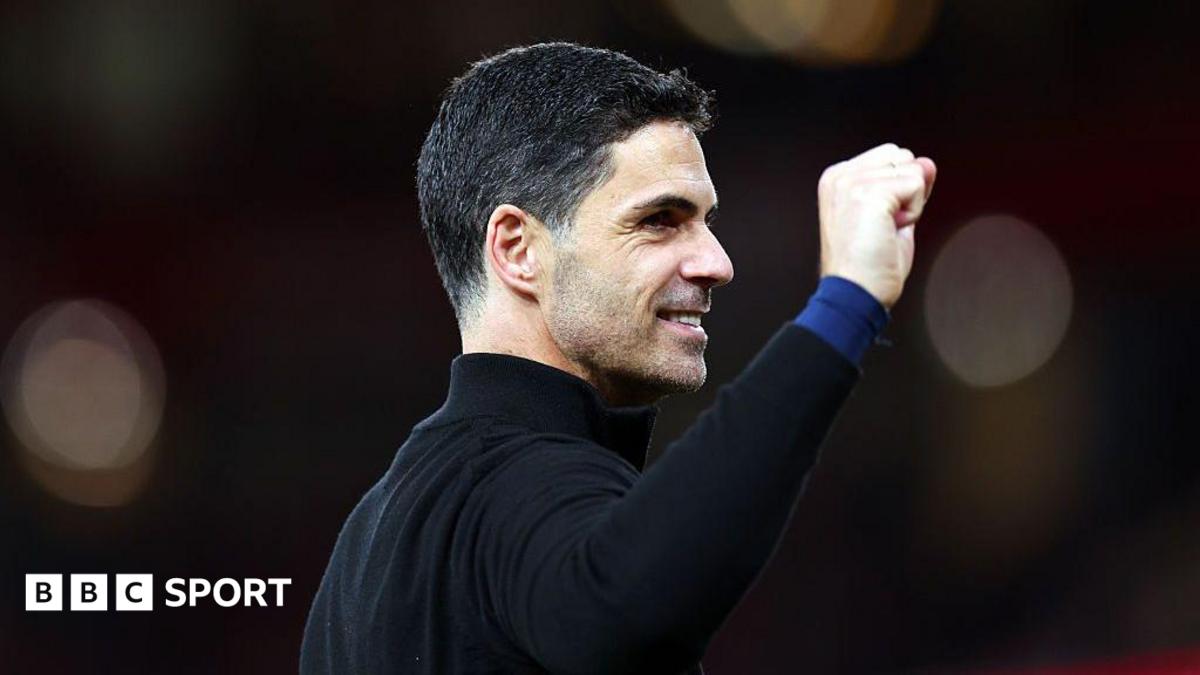
Arsenal won their first Premier League title in 22 years, with former defender Matthew Upson calling it "absolutely incredible" and crediting Mikel Arteta for stamping his identity on the club. The commentary emphasizes squad depth, disciplined execution, and resilience after a season of criticism and narrow wins. This is a strong positive sports outcome, though it has minimal direct market impact.
The market implication is less about the title itself and more about franchise monetization: sustained on-field success tends to convert into higher renewal power across media rights, sponsorship, and premium inventory pricing over a 12-24 month horizon. When a club signals repeatable excellence rather than a one-off surge, commercial partners typically pay for association with durability, not just current visibility, which can re-rate the economics of the broader football ecosystem.
The second-order winner is the content stack around elite football: broadcasters, streaming platforms, and gambling-adjacent media assets benefit from higher engagement, lower churn, and stronger live-event pricing. Importantly, title runs that feel earned but not dominant usually create more durable fandom than “superteam” narratives, because they widen casual audience participation and sustain debate-driven consumption between matches.
The key risk is over-extrapolation. One season of proof does not eliminate cyclical variance in squad health, fixture congestion, or transfer-market misallocation, and those factors can reverse sentiment quickly within a single quarter. If the club’s performance normalizes next season, the commercial uplift can lag expectations, especially if partners already prepaid for an elevated brand halo.
Contrarian angle: the consensus may be underpricing how much of the value was already pulled forward into sentiment and sponsorship expectations. In that case, the better trade is not chasing the obvious winner, but owning the infrastructure that monetizes elite football broadly rather than a single club’s brand cycle. The risk/reward is strongest where pricing still reflects average engagement, while live sports demand is structurally sticky and monetizable across multiple seasons.
AI-powered research, real-time alerts, and portfolio analytics for institutional investors.
Request DemoOverall Sentiment
moderately positive
Sentiment Score
0.40
