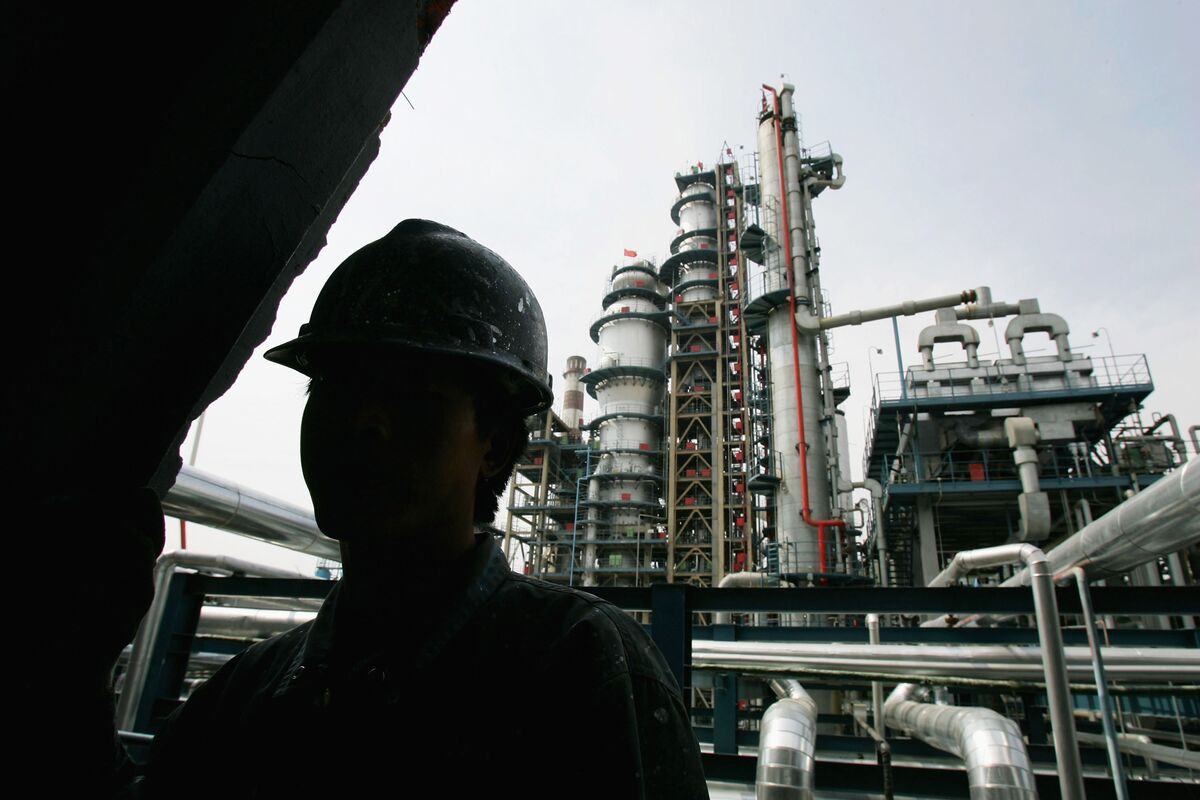
China’s private refiners are seeking Beijing’s approval to cut run rates after being ordered a month ago to keep producing at any cost to secure domestic fuel supply. The request reflects rising input costs and margin pressure linked to the war in the Persian Gulf, which is constraining refinery economics. The development is negative for Chinese fuel output and may tighten regional product supply if approved.
This is a classic squeeze on the marginal barrel: when regulators force throughput higher into an input-cost shock, the first-order effect is lower refining utilization, but the second-order effect is a sharper re-pricing of domestically delivered middle distillates and naphtha. The private refiners asking for relief are effectively signaling that the policy ceiling on run rates is colliding with cash-cost discipline; if approved, the market should see a short-lived relief in crack spreads but a potential tightening in implied product supply as inventory drawdown slows.
The bigger winners are upstream and import-linked players, not the refiners themselves. Higher crude/input costs passed through with lag can preserve headline fuel availability while transferring margin pressure to smaller independent refiners, which tend to be the weakest balance-sheet link in the chain; that raises the odds of selective shutdowns, maintenance deferrals, and opportunistic consolidation over the next 1-3 months. The geopolitical layer matters because any Gulf disruption that persists would force policymakers to choose between inflation control and fuel security, making this a policy-driven volatility regime rather than a clean directional oil bet.
The contrarian point is that the market may be underestimating how fast Beijing can reverse course if domestic fuel availability becomes politically sensitive. If approval is granted, the immediate effect could be bearish for refined-product prices and bullish for refinery utilization optics, but it would also confirm that margins are fragile and that demand destruction is already being absorbed at the refinery gate. In that sense, the trade is less about chasing crude higher and more about positioning for dispersion: upstream and integrated names versus margin-sensitive independent refiners and transport-intensive sectors.
Near term, watch for any administrative green light within days; if absent, independent refiners may start cutting runs anyway over 2-6 weeks, which would tighten product supply and increase import demand for finished fuels. Over 1-3 months, the key reversal trigger is either a de-escalation in the Persian Gulf or a policy loosening that prioritizes refinery viability over guaranteed output. If neither happens, expect persistent earnings downgrades across Asian refining and chemical chains, with the largest pain concentrated in names that lack upstream hedges.
AI-powered research, real-time alerts, and portfolio analytics for institutional investors.
Request DemoOverall Sentiment
mildly negative
Sentiment Score
-0.35
