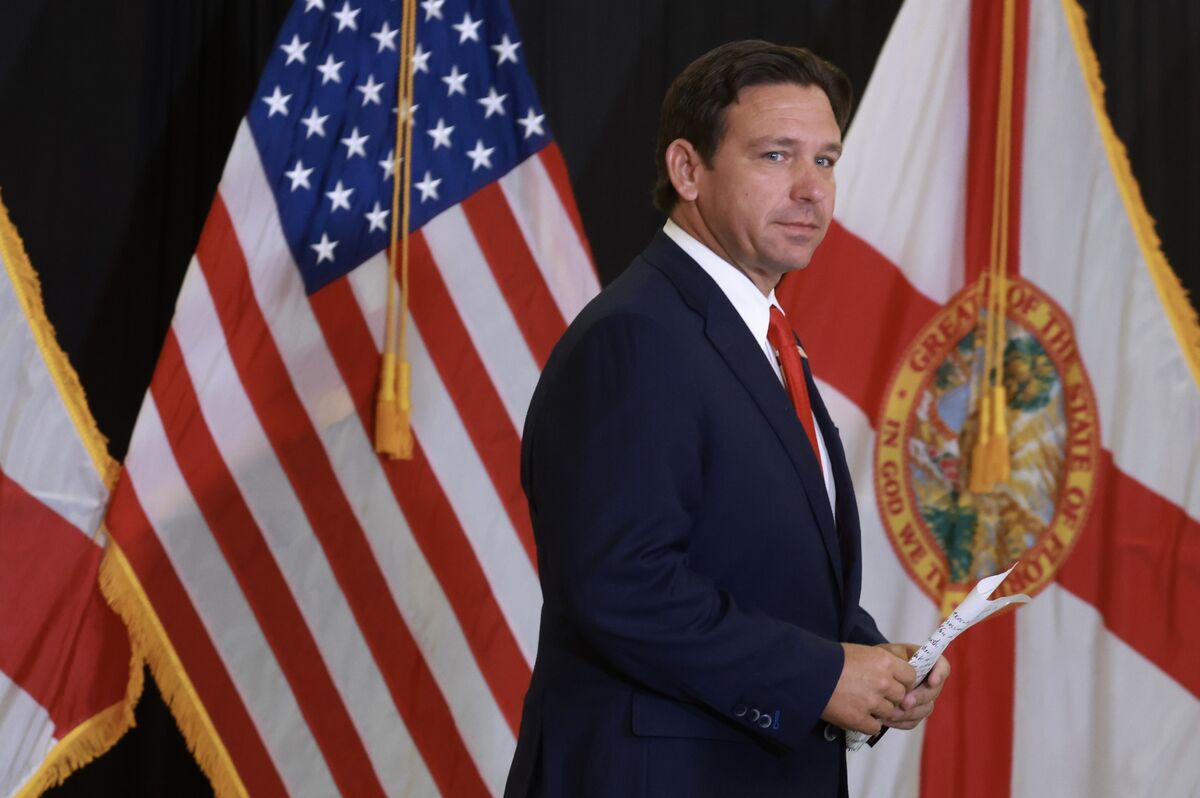
Governors are increasingly taking the lead on affordability and cost-of-living issues as Washington appears stalled, making this a politically important but still largely descriptive update. The piece frames affordability as the top election issue and highlights state-level efforts rather than any specific policy breakthrough or market-moving announcement. Net impact is modest and mostly relevant for domestic policy watchers rather than near-term market pricing.
The key market implication is not a direct policy shock but a shift in who owns the inflation narrative. When state-level affordability initiatives become the visible response, the federal government’s ability to anchor expectations weakens, which keeps political pricing power in housing, healthcare, utilities, and consumer staples under scrutiny for longer. That is mildly negative for rate-sensitive consumers because it suggests relief is being delayed into a patchwork of local measures rather than delivered through a broad macro easing.
The second-order effect is that states will likely target the highest-visibility cost buckets first: rent, energy bills, childcare, insurance, and taxes on higher earners. That creates dispersion across consumer-facing sectors—discounters and private-label retailers can gain share if affordability programs put cash back into lower-income cohorts, while premium discretionary names face slower trading-up. Housing is the most important transmission channel: any meaningful state intervention that improves supply or reduces transaction friction can cap rent inflation locally, but it may also pressure owners of multifamily and adjacent REITs before it helps volumes.
The contrarian risk is that markets may overestimate how much state action can actually move national affordability metrics. Most state initiatives are too small or too slow to offset wage, shelter, and insurance inflation, so the practical tradeable impact may be more about sentiment than fundamentals over the next 1-3 quarters. That means the biggest opportunity may be to fade the short-term political headlines and focus on the companies exposed to sustained cost pressure rather than assuming a broad consumer rebound.
Catalyst-wise, watch for budget negotiations, election-year tax proposals, and any state-level housing or energy subsidy rollouts over the next 3-9 months. If these efforts fail to improve household sentiment by mid-year, the market likely rotates back to pricing recession risk in the lower-end consumer, which would be the cleaner trade than trying to front-run policy success.
AI-powered research, real-time alerts, and portfolio analytics for institutional investors.
Request DemoOverall Sentiment
neutral
Sentiment Score
-0.05
