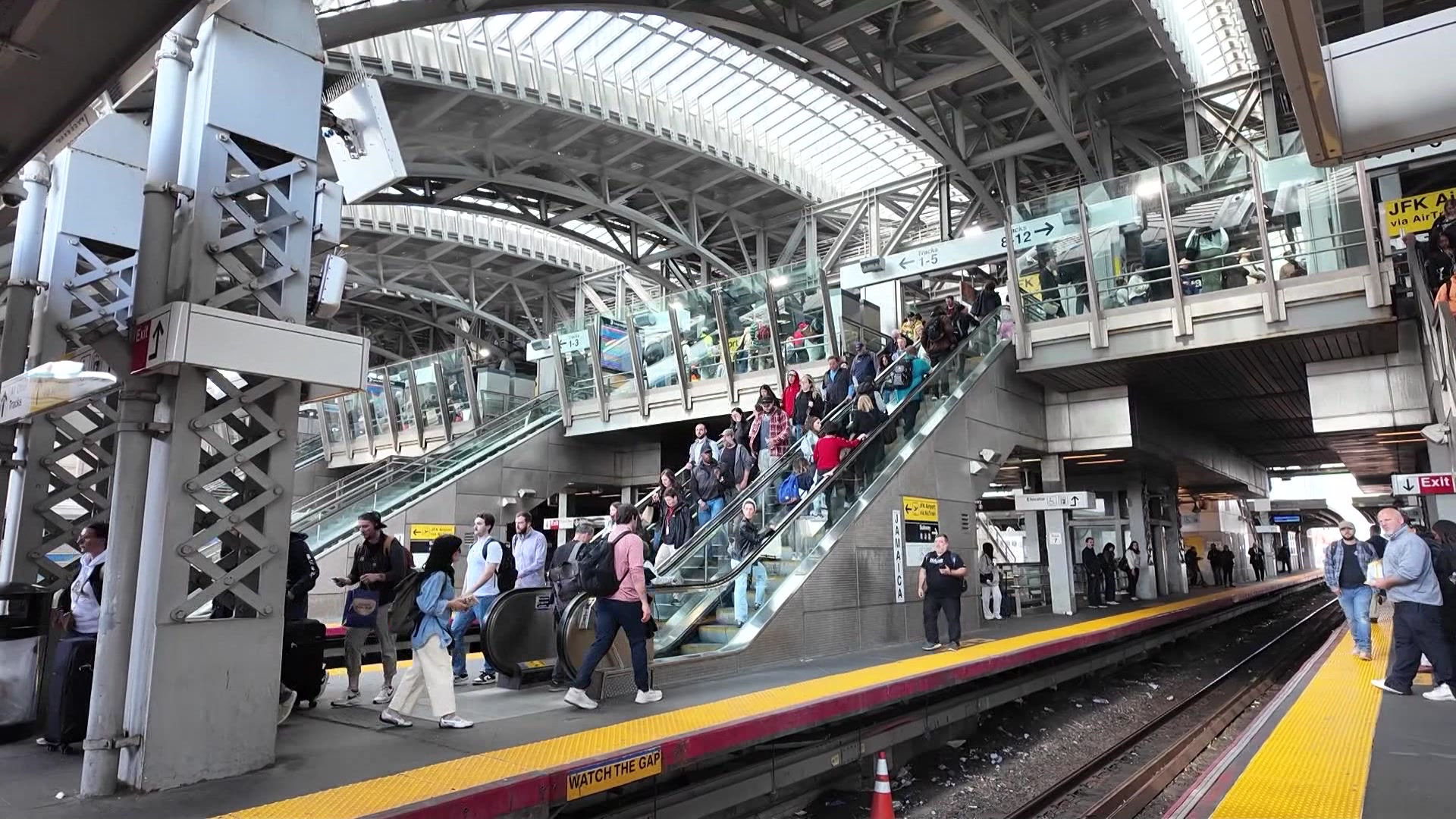
Long Island Rail Road service in and out of Penn Station is suspended through the Friday morning rush due to an electrical fire in an Amtrak tunnel. Most trains are being diverted to and from Grand Central, and the subway is cross-honoring LIRR tickets to help mitigate disruption. The event is operationally negative for commuters and transportation networks, but is unlikely to have broader market impact.
The immediate market read is not about the transit operator itself so much as the operational fragility exposed at a critical interchange point. When one rail node loses reliability, the first-order pain is commuter inconvenience, but the second-order effect is labor and schedule disruption for a much wider set of downtown-dependent businesses that rely on predictable morning throughput. That tends to show up first in same-day retail, food service, and office utilization metrics rather than in the transportation asset base.
For investors, the key question is duration. A one-night to one-morning outage is noise; a multi-day rerouting event creates measurable spillover into rideshare demand, taxi utilization, and nearby parking/garage operators, while pressuring last-mile logistics in Manhattan due to delayed workers and tighter curb space. The bigger signal is infrastructure redundancy: repeated incidents of this type increase the probability of political pressure for accelerated capital spending, which is constructive for contractors, electrical systems providers, and tunnel/rail maintenance names over a 6-18 month horizon.
Consensus will likely underprice how quickly commuters substitute away from rail when reliability is questioned, even temporarily. That can matter for revenue recovery because behavior changes after disruptions often persist for weeks, especially if employers tolerate hybrid adjustments and travelers preemptively choose private transport. The contrarian takeaway is that the direct loser is not just rail usage; it is the ecosystem of fixed-schedule, transit-dependent commerce around Penn Station, while alternative mobility providers can capture incremental share during and after the disruption.
The near-term setup is better expressed as a relative-value trade than an outright short on transit-related equities, since the event is too localized for a large fundamental read-through. The cleaner expression is to own beneficiaries of infrastructure remediation and urban mobility substitution while fading anything exposed to lower same-week station footfall. If similar incidents recur, the trade can extend from a one-day event-driven move into a policy-driven capex cycle.
AI-powered research, real-time alerts, and portfolio analytics for institutional investors.
Request DemoOverall Sentiment
moderately negative
Sentiment Score
-0.35
Ticker Sentiment
