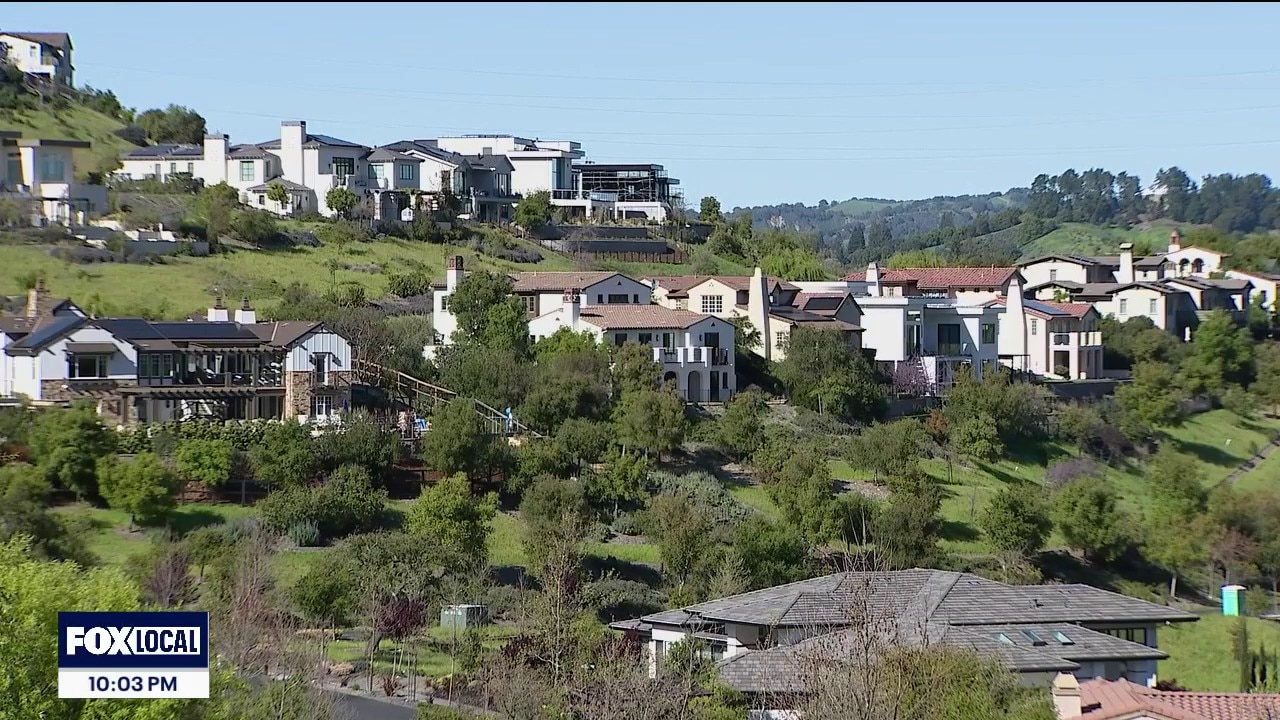
California's FAIR Plan will raise rates by an average of 30% starting October 15, with some Bay Area homeowners facing increases of 31% in Orinda's 94563 ZIP code. Nearly 670,000 homes statewide are covered by the insurer of last resort, underscoring persistent wildfire-related housing insurance stress. The article also highlights new legislation and discount programs aimed at reducing coverage lapses and encouraging mitigation, but near-term costs for affected homeowners are rising.
The immediate economic effect is not just higher insurance expense; it is a slow-motion impairment to housing liquidity in the most exposed suburbs. When a large share of owners face step-up premiums at the same time, transaction volume typically falls first, then list prices, because buyers underwrite monthly carrying costs before they underwrite wildfire probability. That creates a second-order drag on municipalities via softer transfer-tax receipts, slower turnover, and a widening affordability gap that pushes demand toward lower-risk exurbs.
The bigger beneficiary is not the insurer of last resort itself, but any private carrier or managing general agent able to re-enter wildfire-exposed books with a differentiated pricing or mitigation model. Home-hardening discounts matter because they create a ratchet: once homeowners spend on defensible space, fortified roofs, and monitoring, they are economically “sticky” to insurers that can verify mitigation, which should support inspection-tech, catastrophe-modeling, and retrofit vendors. Over 6-18 months, the winners are likely to be firms that monetize risk scoring and property adaptation rather than pure rate inflation.
The main tail risk is political intervention if premium pain compounds into visible nonrenewals or mortgage-escrow shocks. A legislative or regulatory backstop that spreads losses more broadly would blunt the near-term rate hike, but it would also delay the re-pricing of fire risk and keep the private market from repricing properly. The contrarian view is that this is less a one-off insurance story than an early signal that climate-adjusted housing valuations are being reset; the market may still be underestimating how quickly chronic affordability pressure can migrate from insurance into home prices and local consumer spending.
For timing, the catalyst window is the next 1-2 quarters: premium notices, renewal churn, and any evidence of private-market re-entry. If there is meaningful take-up by admitted carriers, that is bearish for the catastrophe backstop narrative but bullish for underwriting-improvement stories; if not, the current trend likely persists into 2026.
AI-powered research, real-time alerts, and portfolio analytics for institutional investors.
Request DemoOverall Sentiment
moderately negative
Sentiment Score
-0.45
