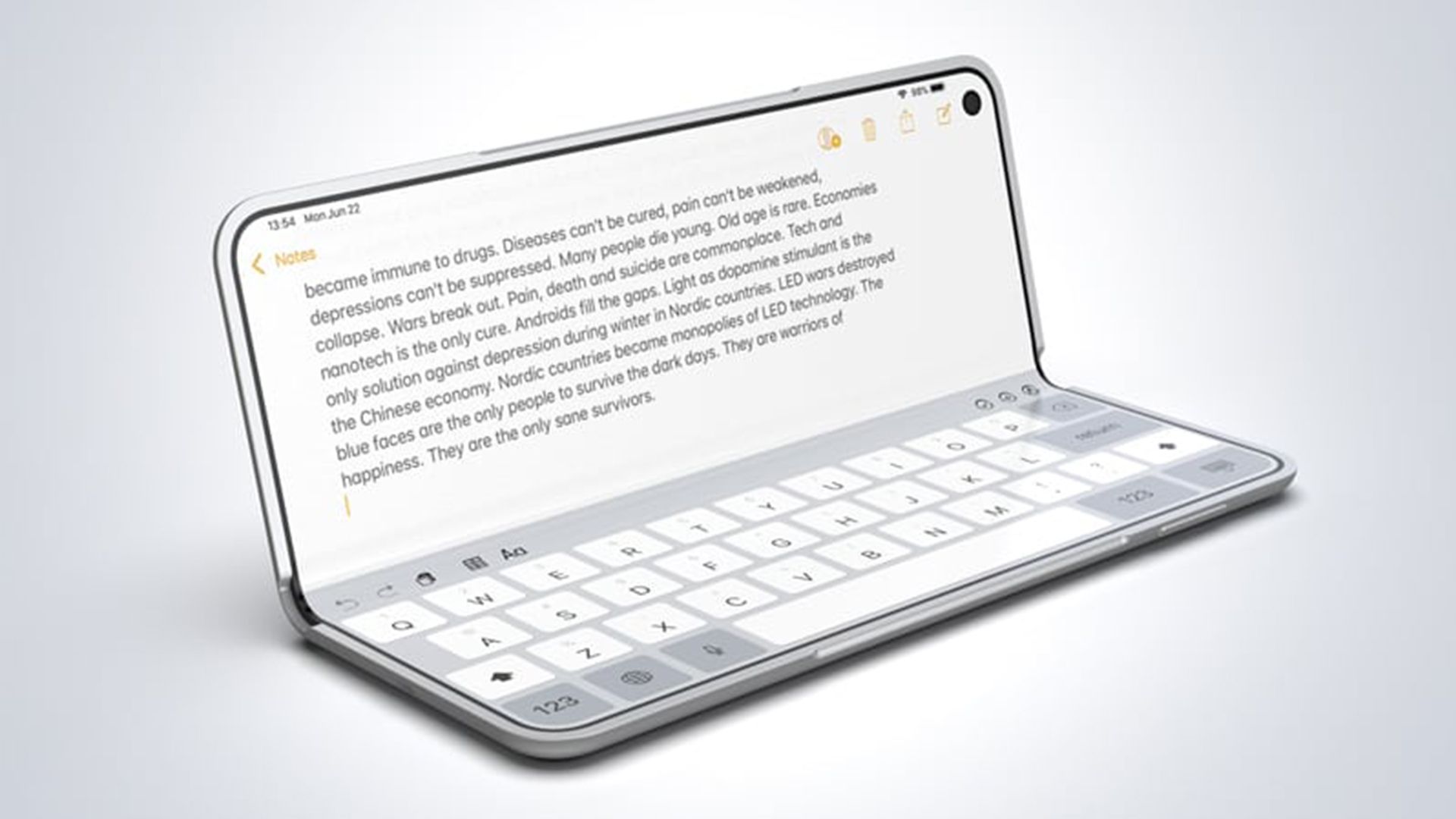
Apple’s rumored folding iPhone, likely to be branded the iPhone Ultra, is expected to cost around $2,000 but may ship without Face ID due to thinness constraints. Reports say Apple may use Touch ID instead, likely integrated into the Power button, to preserve the device’s slim folded form factor. The article is speculative and product-focused, with limited near-term market impact beyond sentiment around Apple’s premium hardware strategy.
This reads less like a headline product disappointment and more like a strategic signal that Apple is prioritizing industrial design constraints over feature parity. If the foldable launches with biometric downgrades, the key question for investors is not consumer backlash in isolation, but whether Apple can still command a meaningful premium without the usual trust/UX moat of Face ID; that is where mix and attach rates matter most. A successful launch would validate a new iPhone super-cycle, but a weaker launch could compress expectations for unit upside while still supporting higher ASPs.
The second-order effect is on suppliers tied to premium-component content. A thinner mechanical stack and simpler sensor set can be negative for some optical/face-auth related suppliers, while the mechanical hinge/display/BOM complexity benefits may accrue to a narrower group of OLED, hinge, and miniaturized component vendors. The biggest risk is that the market overestimates how much novelty alone can offset friction: foldables historically need multiple product cycles to broaden adoption, so the first six months matter more for margin and yield learning than for volume.
For Apple stock, this is a classic "buy the rumor, sell the constraint" setup if expectations have drifted too high into launch. Near term, the event can support sentiment, but the next catalyst is not announcement day; it is the first read on durability of demand, returns, and whether the product broadens the installed base or cannibalizes Pro models. The contrarian take is that the absence of Face ID may actually be a feature, not a bug, if it enables the only foldable form factor that feels truly pocketable; in that case, adoption could surprise to the upside despite the perceived downgrade.
AI-powered research, real-time alerts, and portfolio analytics for institutional investors.
Overall Sentiment
neutral
Sentiment Score
-0.05
Ticker Sentiment
