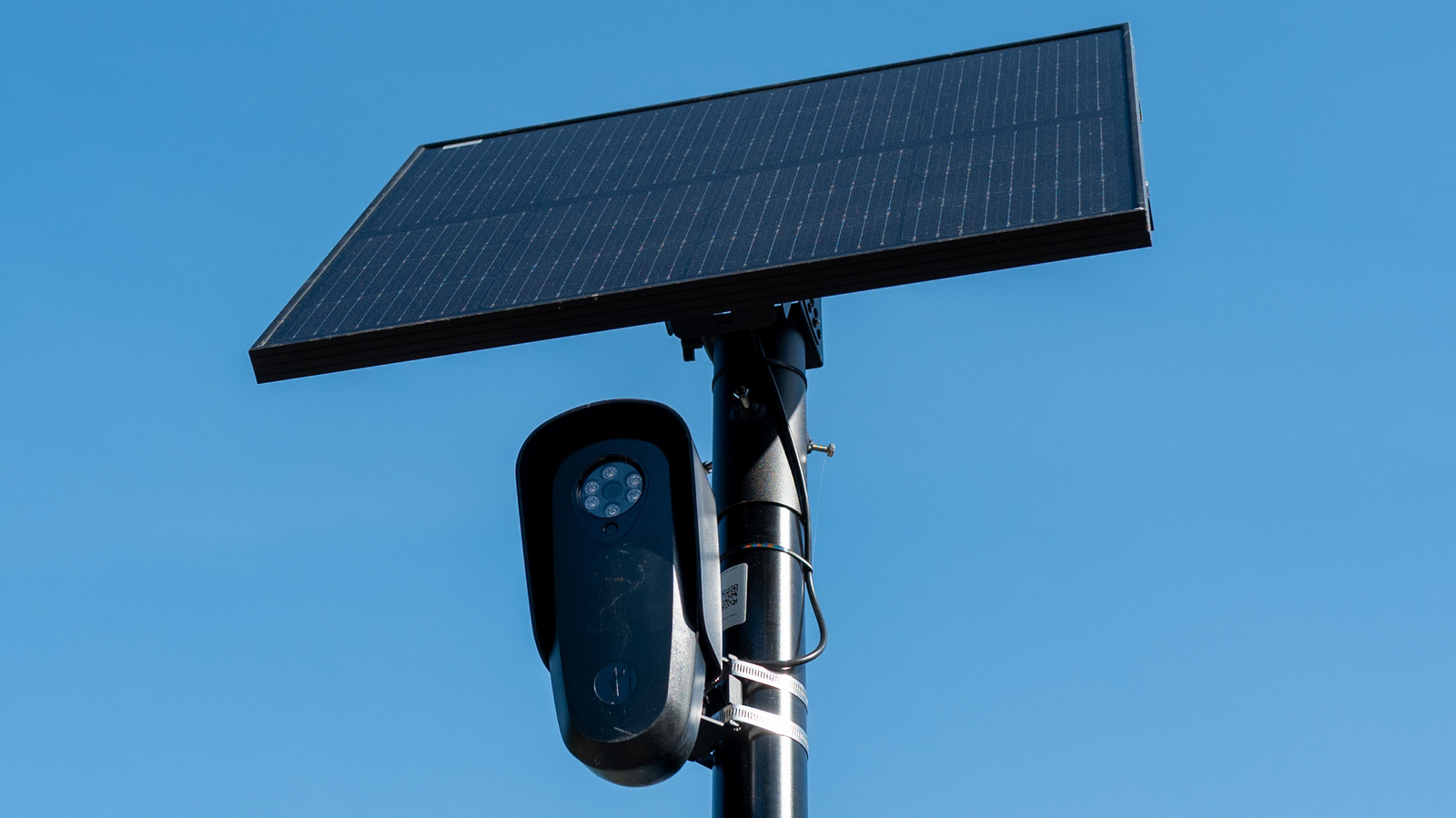
Home Depot and Lowe's are using Flock license-plate and video surveillance cameras in parking lots, with both retailers acknowledging cooperation with state and local law enforcement. The article highlights privacy and civil-liberties concerns around data sharing and ICE-related activity, but it does not indicate an earnings, sales, or operational impact. Market relevance is limited and primarily reputational.
HD’s incremental risk here is not direct revenue leakage but a slow-burn brand and trust tax in a segment where traffic is already weakening. The more important second-order effect is that privacy backlash can amplify labor-friction headlines around parking lots and contractor ecosystems, which may modestly pressure same-store comp optics even if ticket size is unaffected. This is a low-probability, medium-duration issue: the stock will not rerate on one article, but repeated local enforcement/PR flare-ups can keep a small but persistent overhang on the multiple.
The bigger competitive dynamic is that any retailer perceived as a surveillance hub may push some discretionary DIY traffic toward competitors or online fulfillment for commodity items, where the shopping experience is less visible and less exposed. That said, the economic sensitivity is likely limited because core home-improvement demand is driven far more by housing turnover and repair cycles than parking-lot optics. So the earnings impact is probably basis points, while the headline risk can create disproportionate sentiment volatility.
The contrarian point is that this may be more of an ESG/advocacy issue than a fundamental demand issue; if so, the selloff risk is overdone relative to cash-flow durability. The real tail risk is regulatory: if municipalities or states start restricting automated plate capture around retail properties, compliance costs and data-retention burdens could spread across the sector within 6-18 months. A reversal catalyst would be clear distancing language, reduced local-law-enforcement cooperation, or a broader consumer focus shift that buries the issue.
From a trading standpoint, the setup looks better as a short-dated sentiment hedge than a fundamental short: the controversy can keep a lid on HD near-term, but not likely enough to justify an outright medium-term bearish thesis absent harder data. Options skew is the cleaner way to express that view, especially if the market is complacent on headline risk into earnings or a policy headline.
AI-powered research, real-time alerts, and portfolio analytics for institutional investors.
Request DemoOverall Sentiment
mildly negative
Sentiment Score
-0.15
Ticker Sentiment
