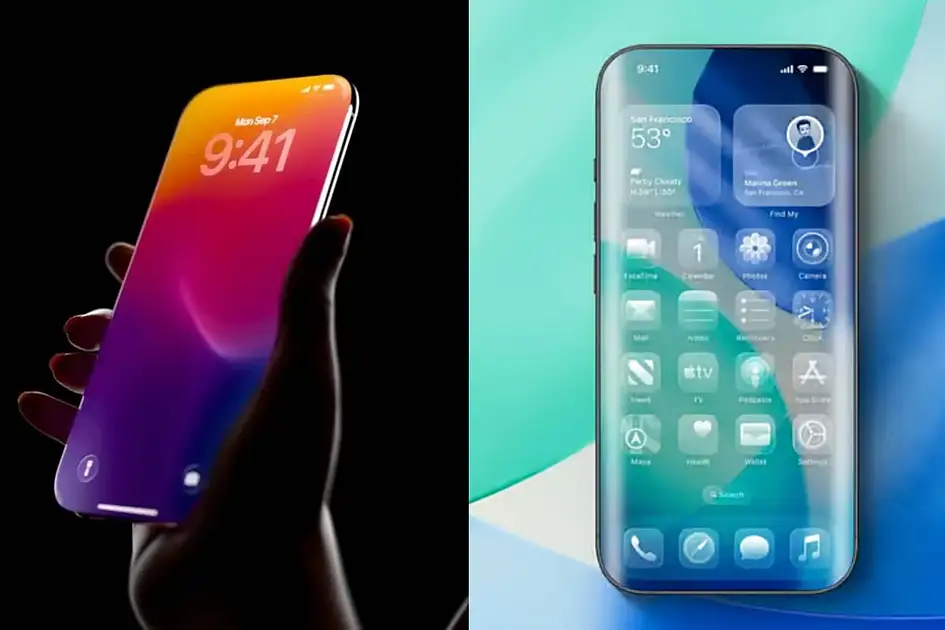
Apple's 2027 iPhone lineup is rumored to include a major redesign centered on a wraparound all-glass display, haptic buttons, under-display Face ID/cameras, reverse wireless charging, and a larger 6,000 mAh battery. The article frames iPhone 20 as a potential decade-defining refresh similar to the iPhone X, but all details are speculative and unconfirmed. Market impact is likely limited unless Apple officially previews these features.
The market should treat this as a multi-year option on Apple’s industrial design reset, not a near-term earnings event. If Apple really moves to a glass-heavy, no-cutout form factor, the second-order winner is not just AAPL hardware ASPs but the ecosystem of premium accessories, premium component vendors, and carriers that benefit when replacement cycles shorten around a “must-have” redesign. The bigger implication is that Apple is trying to re-establish design leadership before foldables force a broader re-rating of smartphone innovation away from the standard slab category.
The supply-chain risk is that a radically thinner, more integrated front end increases yield sensitivity at exactly the wrong time: any delay in under-display sensors, acoustic components, or haptics could push the launch back by one cycle and compress sentiment. That matters because this kind of product is typically priced into the stock 6-12 months ahead of launch, then de-risks quickly if engineering milestones slip. The battery claim is also important second-order: a materially larger pack plus more power-hungry display architecture can lift BOM costs, but Apple historically offsets that with higher Pro-tier mix and accessory attach.
The contrarian read is that the consensus may be over-indexing on form factor and underestimating execution risk. A “glass everywhere” iPhone would likely require expensive manufacturing tolerances, higher warranty reserve scrutiny, and a more fragile retail experience, which could cap the true upgrade conversion unless Apple pairs it with a clear AI or camera leap. If the device is mostly cosmetic, the stock reaction may fade after the initial hype cycle; if Apple layers a meaningful on-device AI interface shift on top, the multiple expansion could be more durable.
AI-powered research, real-time alerts, and portfolio analytics for institutional investors.
Request DemoOverall Sentiment
mildly positive
Sentiment Score
0.20
Ticker Sentiment
