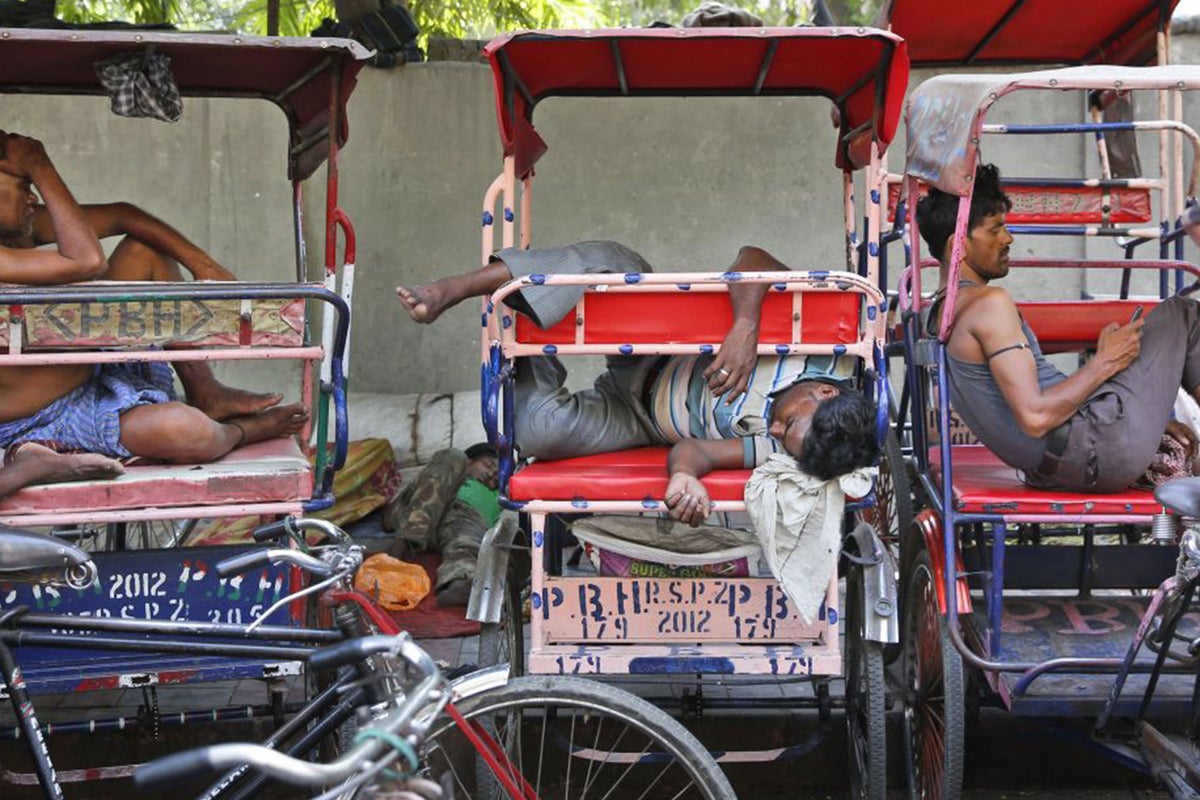
On April 27, all 50 of the world’s hottest cities were in India, with an average peak temperature of 44.7C and Banda hitting 46.2C, underscoring an extreme heatwave with no modern precedent. The article warns of serious public health risk, earlier and more intense Indian summers, and potential worsening conditions from below-average monsoon forecasts and fuel shortages that could strain cooling demand. The event has broad macro relevance for India, with implications for health, energy consumption, supply chains, and climate risk.
The immediate market implication is not a broad India-short, but a margin squeeze on any business exposed to discretionary power consumption, labor productivity, and indoor air comfort. The second-order effect is that a heat-driven spike in cooling demand will likely hit the grid, diesel backup consumption, and distribution losses before it shows up in headline inflation, which tends to punish industrial activity with a lag of weeks to months. The most vulnerable cohort is low-income, high-occupancy sectors with weak pass-through: cement, brick, construction, apparel, and small-cap consumer brands dependent on foot traffic and cold-chain reliability.
The more interesting trade is on power and fuels, where the bind is asymmetric. If monsoons underdeliver and temperatures stay elevated, peak load can remain structurally high into June-July, forcing utilities to source incremental generation at unfavorable marginal costs; that supports coal linkage, LNG spot procurement, and diesel gensets even if broader macro softens. This creates a split: upstream fuel and generator-set suppliers can outperform while state-distribution-heavy utilities and power-intensive industrials absorb the pain. The climate angle also raises medium-term capex pressure for grid hardening, data centers, and air-conditioning supply chains, but the near-term catalyst is simply demand destruction and reliability stress.
Consensus is likely underestimating how quickly a heat shock can become a liquidity event for certain EM corporates and local governments. If the heat persists for another 2-6 weeks, the real risk is not just higher operating costs but rolling outages, wage absenteeism, and delayed logistics that compress quarterly earnings revisions. Conversely, if rains arrive early or fuel supply normalizes, the trade can unwind fast, which makes options preferable to outright equity shorts in the most weather-sensitive names.
AI-powered research, real-time alerts, and portfolio analytics for institutional investors.
Request DemoOverall Sentiment
strongly negative
Sentiment Score
-0.70
