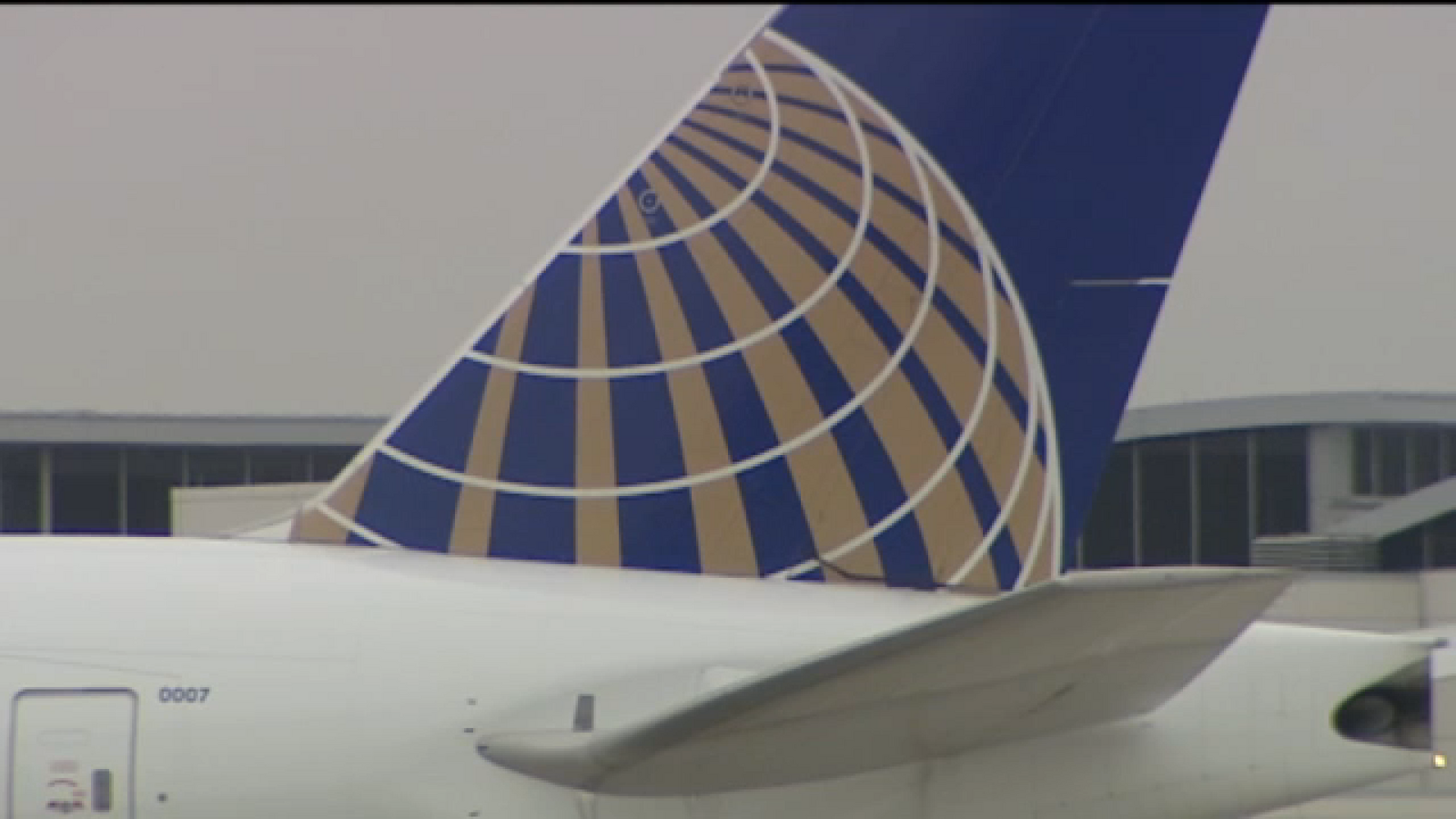
United Flight 579 from Cabo San Lucas to Houston was diverted to Monterrey after a mechanical issue on the Airbus A320, prompting an emergency declaration. All 143 passengers and five crew members deplaned normally, and United arranged a replacement aircraft to complete the trip. The event is operationally negative but appears contained, with limited broader market impact.
This is a nuisance event for UAL, not a thesis-breaker, but it matters because airline equities are priced on operational reliability as much as unit revenue. A diversion with an emergency declaration increases scrutiny around maintenance execution and can widen the market’s implicit “ops risk” discount, especially when investors are already sensitized to aging narrowbody fleets, MRO bottlenecks, and any signal that blocks show up unpredictably. The immediate financial hit is trivial; the real risk is whether this becomes one more datapoint in a broader narrative of controllability slipping.
The second-order effect is on margin perception rather than demand. In the near term, passengers are likely re-accommodated with limited revenue leakage, but repeated disruptions can raise irregular-ops costs, hurt premium corporate perception, and pressure load factors at the margin if customers shift to competitors with stronger schedule integrity. That creates a relative winner set for carriers with cleaner reliability optics and more buffer in their schedules, even if no competitive capacity changes occur.
The catalyst window is days to weeks: one incident fades fast, but a cluster of similar events can move the stock because investors extrapolate maintenance intensity and dispatch reliability into forward guidance risk. What would reverse the narrative is a clean operating week, no follow-on mechanical headlines, and evidence that this was isolated rather than symptomatic of fleet or maintenance execution issues. The contrarian angle is that the market may over-penalize a single diversion in an industry where such events are statistically inevitable; if UAL continues to post stable completion factors and on-time performance, the share reaction should mean-revert quickly.
From a trading perspective, this is better treated as a relative-value signal than a standalone short. UAL may underperform intraday and over the next few sessions, but unless there is confirmation of a broader maintenance issue, downside should be capped by the event’s low earnings impact. The more attractive expression is a short-duration pair against a higher-reliability carrier or an options structure that fades the headline while limiting gap risk.
AI-powered research, real-time alerts, and portfolio analytics for institutional investors.
Request DemoOverall Sentiment
mildly negative
Sentiment Score
-0.12
Ticker Sentiment
