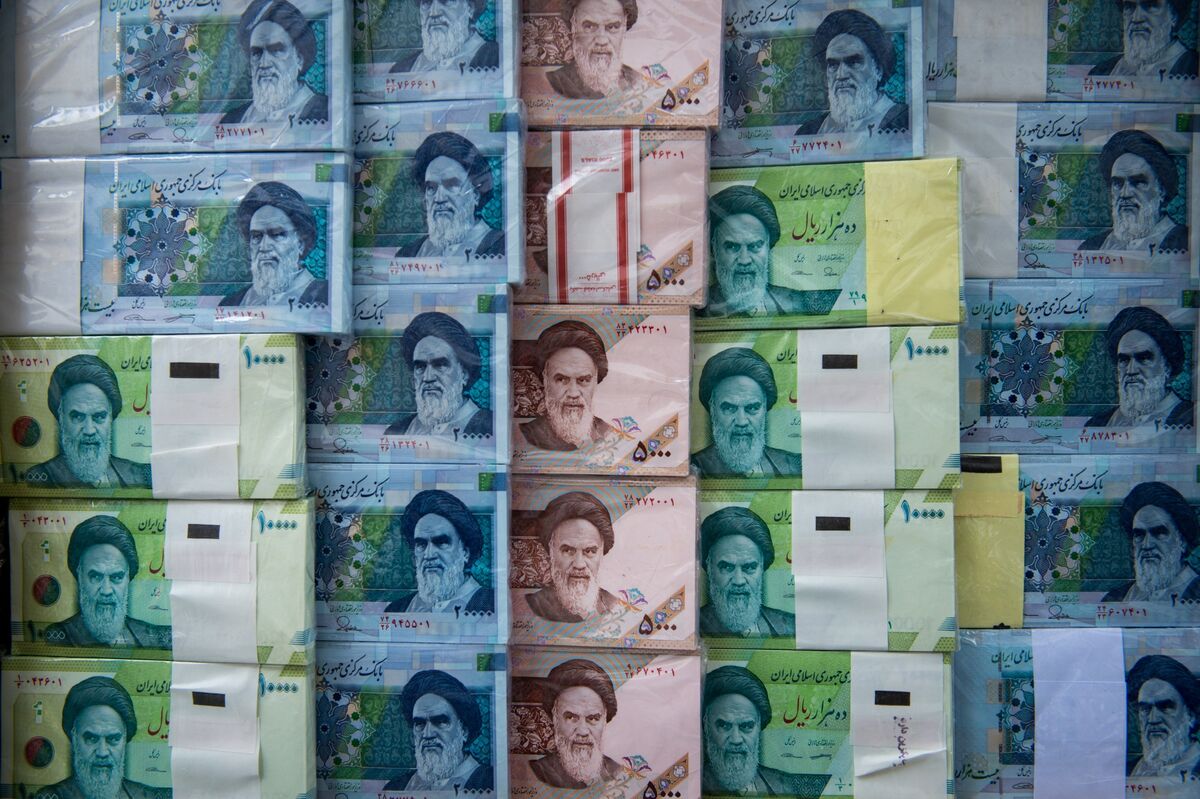
Iran’s rial plunged to a record low of 2.04 million per $ in Tehran as new US “crushing” economic measures are set to be announced. With dual US-Iran restrictions reducing oil flows through the Strait of Hormuz and crude shipments to Asia nearly drying up, cargo costs are at the highest levels in years. China also signaled oil demand is already past its peak, while global energy stress is accelerating customer shifts away from fossil fuels—raising downside pressures for Iran’s economy and energy-linked markets.
This is less about incremental Iranian barrels than about enforcement friction. Tighter sanctions usually matter most by raising the cost of clearing sanctioned oil, widening discounts, and pushing more volume into higher-risk shipping and insurance channels; that is supportive for compliant Gulf exporters and integrated majors, but punishes any refining/trading ecosystem that relies on opaque supply.
Near term, the market reaction is likely to be a geopolitical risk-premium trade rather than a lasting fundamental rerate unless there is actual disruption in the Strait of Hormuz. If no physical flow interruption follows within days, oil can give back a meaningful chunk of the move; the more durable 1-3 month effect is higher tanker/insurance costs and modestly better realized pricing for low-beta energy producers. The bigger second-order signal is demand substitution: if China is openly leaning into a post-peak oil narrative, sanctions may accelerate capex discipline across the sector and compress multiples for upstream names that need sustained high crude to justify growth.
Consensus may be overpricing the immediate supply shock. Iran is already heavily constrained, so the marginal variable is credibility of enforcement, not lost volume; if this is mostly rhetoric, the trade should be faded as a volatility spike. Falsifiers are simple: no increase in freight/risk premia, Brent failing to hold the post-announcement breakout, or any evidence that Hormuz flows remain unchanged.
AI-powered research, real-time alerts, and portfolio analytics for institutional investors.
Overall Sentiment
strongly negative
Sentiment Score
-0.65
