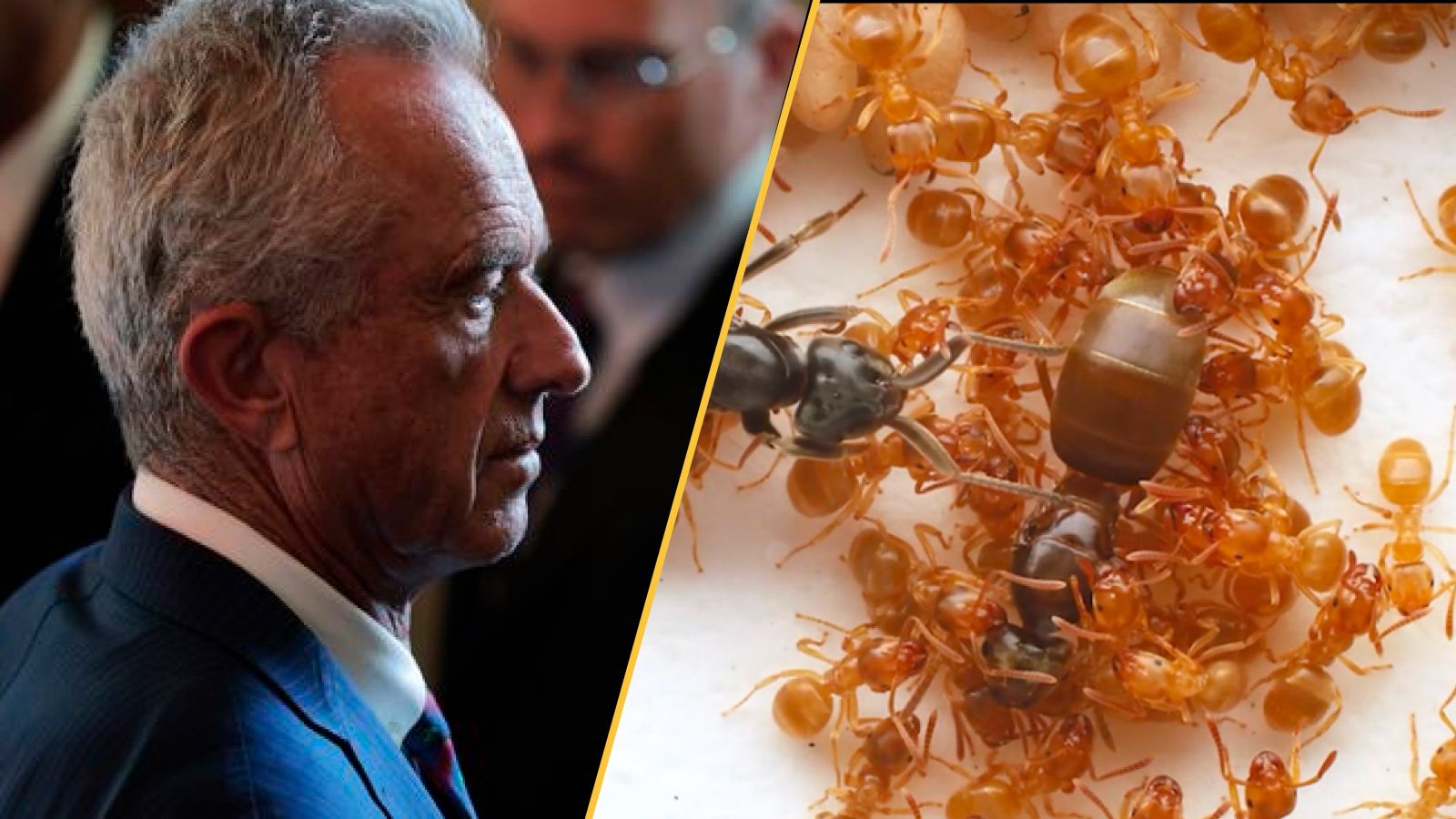
U.S. public-health turmoil surfaced as three former CDC directors described dysfunction under the second Trump administration, prompting calls for HHS Secretary Robert F. Kennedy Jr. to resign and raising the prospect that the U.S. could lose its measles-free status as soon as January—an outcome that would heighten disease risk and could drive shifts in public-health policy, spending and vaccine demand. NASA released new images confirming interstellar object 3I/ATLAS is a comet more than 7 billion years old, resolving speculation but offering limited near-term market impact beyond bolstering interest in space-science programs. Separately, reporting highlighted an accelerating “insect apocalypse” driven by climate change, habitat loss and pesticides that threatens pollination and crop yields (with clear implications for agricultural commodity prices and supply chains), while several early-stage biomedical findings—from potential CTE mechanisms to novel diabetes interventions and diet-linked cancer immunology—point to areas of R&D opportunity for biotech investors.
Three former CDC directors described systemic dysfunction at the agency since the start of the second Trump administration during a recent webinar, prompting calls for HHS Secretary Robert F. Kennedy Jr. to resign and raising the prospect that the U.S. could lose its measles-free status as soon as January; this development increases near-term epidemiological risk and would likely intensify federal oversight, vaccine demand and political scrutiny of public-health budgeting. NASA released new images confirming interstellar object 3I/ATLAS is a comet more than 7 billion years old and explicitly addressed speculation about extraterrestrial life; the release coincided with the agency emerging from a U.S. government shutdown and is unlikely to create meaningful near-term market moves beyond renewed interest in space-science funding. Reporting on an accelerating “insect apocalypse” attributes steep insect declines to climate change, habitat loss and pesticides, which threatens pollination and crop yields and therefore presents a credible supply-side risk to agricultural commodities and related supply chains. Several early-stage biomedical findings highlighted — from proposed CTE mechanisms to novel diabetes interventions including senolytic approaches and diet-linked immunology — point to concentrated R&D opportunities for biotech investors but remain precommercial and contingent on clinical validation, while overall market sentiment in the coverage is mixed and market-impact metrics are modest (score ~0.25).
AI-powered research, real-time alerts, and portfolio analytics for institutional investors.
Request DemoOverall Sentiment
mixed
Sentiment Score
-0.05
Ticker Sentiment
