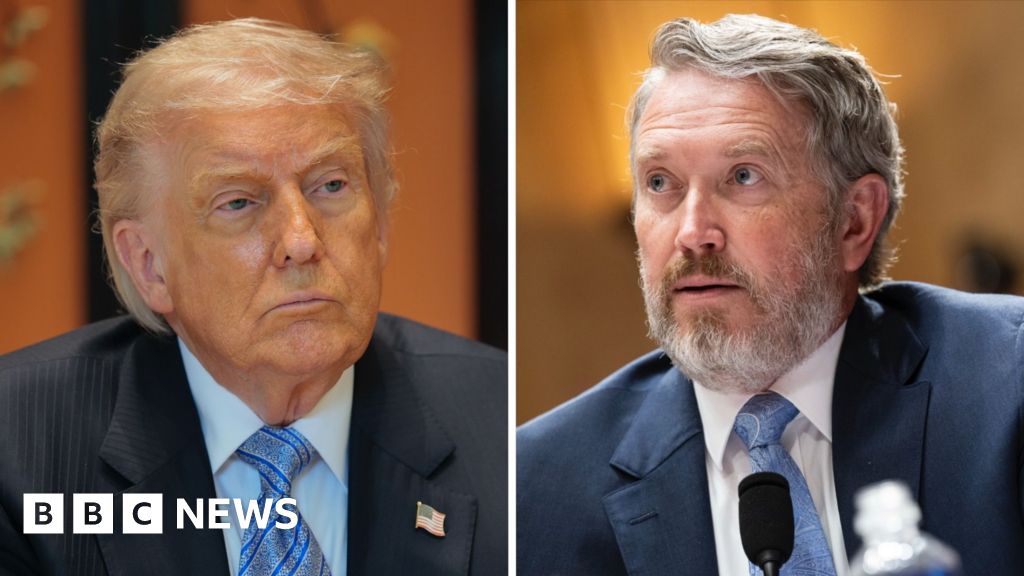
Trump-backed candidate Ed Gallrein is headed to roughly 55% of the vote in Kentucky's Republican primary, defeating Thomas Massie and underscoring Trump's control over the GOP. The article also highlights John Cornyn's vulnerable position after Trump endorsed Texas Attorney General Ken Paxton in next week's runoff. The broader implication is increased Republican alignment with Trump's agenda, with possible effects on upcoming spending, nominations, and war-related votes.
This is less about one primary result and more about the collapse of internal bargaining power inside the GOP. When a president can credibly threaten incumbents into alignment, the party’s policy center of gravity shifts toward higher fiscal leakage, looser geopolitical constraints, and more volatile legislative sequencing. That is bearish for duration-sensitive assets at the margin because it raises the odds of deficit expansion, but the market impact is lagged: the real transmission is through expectations for Treasury supply, appropriation fights, and the probability of clean bipartisan passage on must-pass bills.
The second-order effect is that a more brittle Senate becomes a higher-frequency veto point. Departing or chastened Republicans are more likely to extract concessions on spending, sanctions, and nominations, which increases headline risk around shutdowns and delayed confirmations over the next 1-3 quarters. That tends to favor volatility over direction: not necessarily a single sharp selloff, but a wider band of outcomes for rates, defense, and healthcare names tied to federal procurement and regulatory approvals.
The counterintuitive read is that disciplining moderates may help the president in the primary calendar while weakening him in the general-policy calendar. Purges reduce internal dissent, but they also remove experienced transactional lawmakers who used to smooth budget deals and stopgap funding. If the opposition can frame incumbents as subservient to executive whims while local economic conditions soften, this dynamic could become a midterm drag for Republicans despite near-term primary wins.
Consensus may be underestimating how quickly intra-party discipline can turn into legislative fragility once the agenda moves from campaign symbolism to appropriations and nominations. The market should care less about the political theater and more about the probability distribution for a late-year funding shock, higher coupon supply, and policy uncertainty around geopolitics. That is a classic setup for short-dated event risk rather than a broad directional equity call.
AI-powered research, real-time alerts, and portfolio analytics for institutional investors.
Request DemoOverall Sentiment
neutral
Sentiment Score
-0.05
