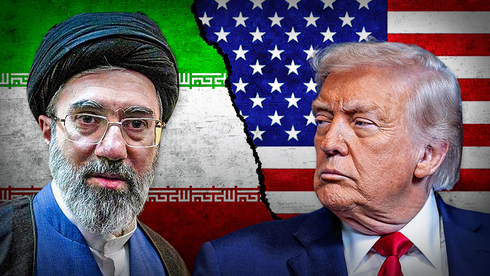
Trump said a planned U.S. strike on Iran was called off after direct pleas from Qatar, Saudi Arabia, and the UAE, keeping the region in a high-risk pause rather than a resolution. The article describes renewed drone and missile activity around the UAE and explosions near Qeshm Island in the Strait of Hormuz, underscoring elevated risks to oil flows, shipping lanes, and regional security. The standoff keeps sanctions, nuclear negotiations, and Middle East energy markets highly sensitive to any renewed escalation.
The market implication is not “peace”; it is a longer duration of unresolved tail risk with lower immediate realized volatility. That tends to compress the premium for direct defense escalation while lifting the value of optionality in shipping, energy infrastructure, and electronic warfare supply chains because every pause increases the probability of a sharper second move later. The Gulf lobby’s success also signals that regional actors now view U.S. strikes as a systemic-risk event for their own asset bases, which should keep sovereign wealth funds defensive on local equity beta and favor dollar liquidity over EM carry.
Energy is the clearest second-order transmission. A delayed strike reduces the odds of an instantaneous Strait-of-Hormuz shock, but it raises the odds of intermittent sabotage, drone incidents, and insurance repricing that can keep freight and refined product margins elevated for weeks even without a full closure. That is a worse setup for consumers than a single acute spike: refiners, tanker owners, and LNG logistics can benefit from elevated “risk premium” pricing, while airlines, chemical users, and high-emitting industrials face margin compression without the relief of a quick normalization.
The consensus is likely underestimating how much the Gulf states are now exposed to Iranian coercion versus U.S. protection, which weakens the deterrent credibility of any future pause. If Tehran learns that limited strikes reliably buy time and preserve regime continuity, the path of least resistance is more calibrated attacks, not de-escalation. The tradeable expression is to own volatility and asymmetry rather than direction outright: the base case is not immediate war or immediate deal, but a series of pauses punctuated by shocks over the next 2-8 weeks.
AI-powered research, real-time alerts, and portfolio analytics for institutional investors.
Request DemoOverall Sentiment
strongly negative
Sentiment Score
-0.78
