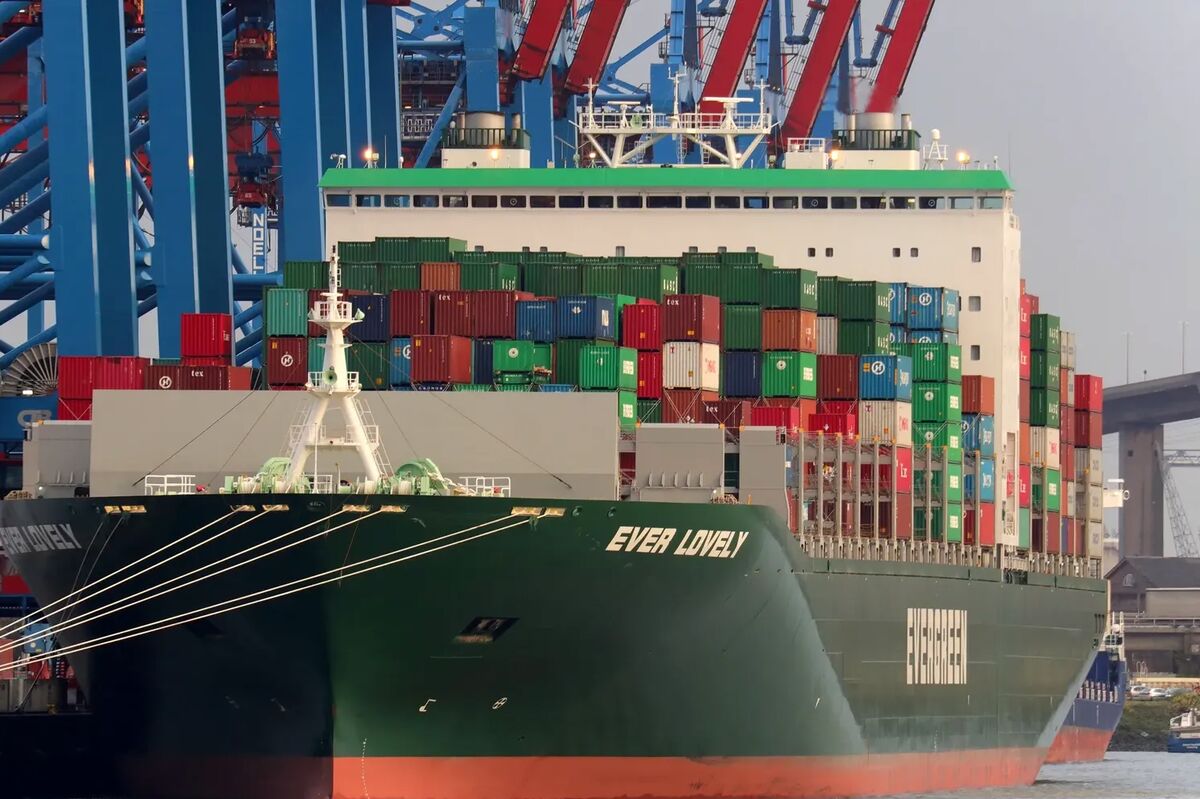
A tanker was struck by an unidentified projectile in the Strait of Hormuz, damaging its bridge, while the crew was reported safe. Naval authorities also raised the regional shipping threat level to substantial, heightening concerns over disruption to a key global oil transit chokepoint. The incident follows US strikes on Iran and could support a risk-off move across energy and shipping markets.
This is less about one damaged tanker and more about the market repricing the probability of intermittent chokepoint disruption. The first-order reaction is in energy, but the bigger second-order effect is on freight optionality: even if physical flows continue, insurers, shipowners, and charterers will demand a higher risk premium immediately, which can tighten effective tanker availability before any barrels are actually lost. That tends to lift spot rates, widen prompt crude differentials, and stress downstream refiners that depend on just-in-time Middle East flows.
The asymmetry is strongest over the next several days. If escort activity and naval posture reduce incident frequency, the move can fade quickly; if there is a second strike or a casualty event, the market can jump from “priced risk” to “forced rerouting,” which is a very different regime for both crude and shipping equities. The key second-order loser is not only importers in Asia and Europe, but also industrials and airlines that face a lagged input-cost shock just as forward freight and insurance costs filter through supply chains.
The consensus is likely underestimating how fast the insurance layer can tighten even without a formal blockade. That creates a near-term dislocation opportunity in crude and tanker equities versus broader transportation exposure, but it also argues against chasing a durable oil bull case unless there is sustained escalation. If the situation de-escalates, expect the fear premium to leak out faster than the physical supply risk, which makes short-dated options the cleanest way to express a view rather than outright directional cash equity.
AI-powered research, real-time alerts, and portfolio analytics for institutional investors.
Request DemoOverall Sentiment
strongly negative
Sentiment Score
-0.55
