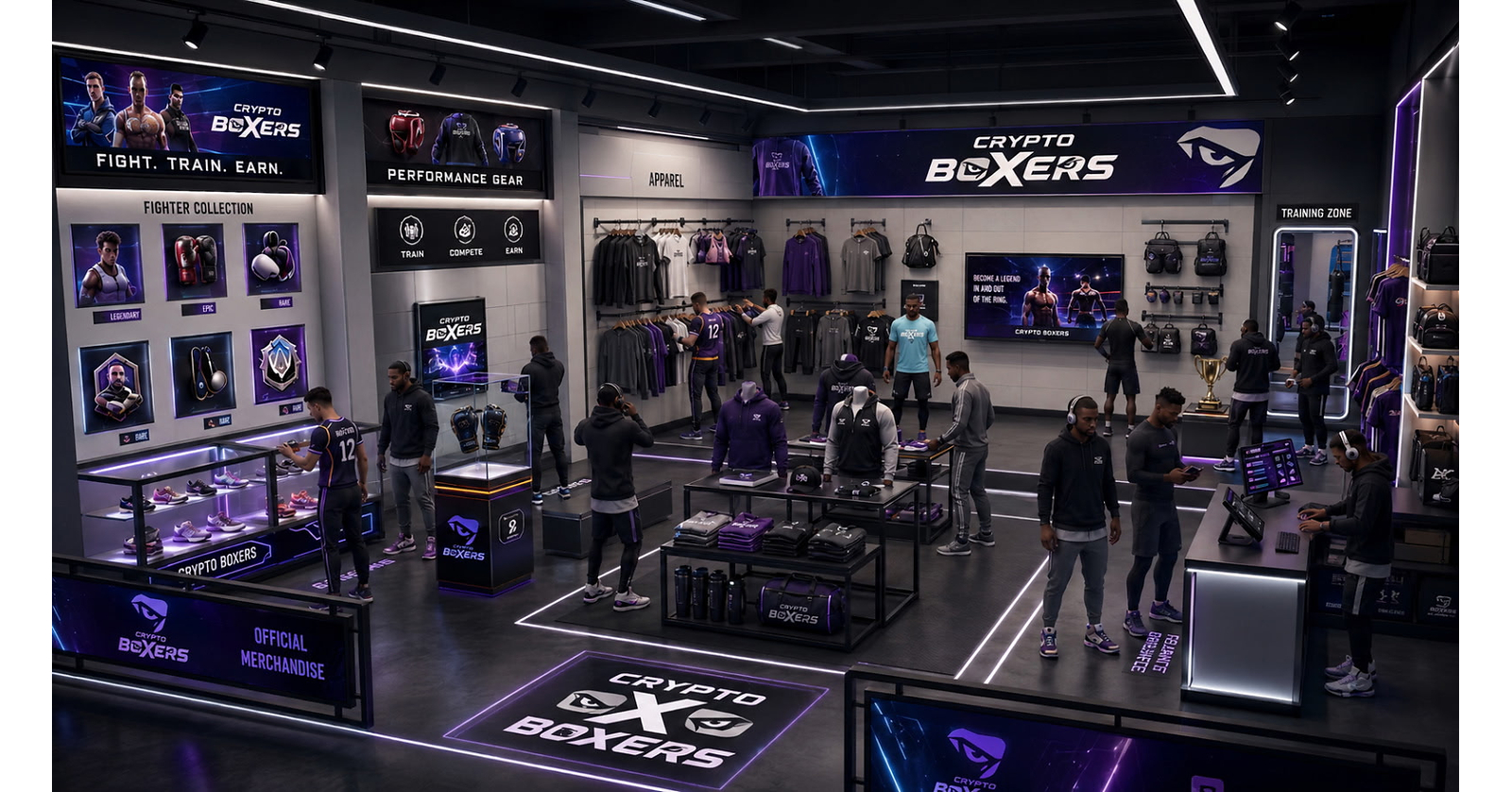
PlayChange.io announced “Round One,” a July 2026 launch phase for its athlete-owned gaming ecosystem, including a first public playable demo in August and an official Community Memberships rollout. The company also launched its merchandise store and a community funding campaign with an initial $100,000 goal to support development and athlete onboarding, while reporting AI-enabled development intended to accelerate production. CryptoBoxers: Round 1 remains on schedule for Q4 2026 release, framed as the first major proof point for its blockchain/collectibles-based model.
This reads more like an early-stage fundraising/attention event than a de-risking product milestone. The economic signal is not the demo itself; it is whether the company can convert attention into measurable funnels — sign-ups, repeat engagement, paid memberships, and merchandise attach rates — without paying up for user acquisition. In gaming, that path usually determines whether a project becomes a durable IP franchise or a short-lived promo cycle.
The competitive implication is that any real upside would come from community-first monetization, not the “blockchain/AI” stack, which is increasingly commoditized. That’s a modest positive for platforms with existing creator ecosystems and distribution leverage such as RBLX, U, TTWO, and EA, because speculative entrants tend to validate demand for sports/community gaming while also reminding investors how hard retention and live-ops economics are. If this category catches any retail flow, it likely shows up first in low-float speculative names rather than in the incumbents’ fundamentals.
The key catalyst is the August demo and, more importantly, what the company does not disclose afterward: DAU/MAU, conversion to paid membership, and cost to acquire each user. If the release is more trailer than game, the story should fade quickly; if it shows playable retention and a real paying community, the stock could get another two-to-three month squeeze purely on narrative. Longer term, the thesis dies if there is no audited evidence of recurring revenue or if the company needs repeated dilutive funding to bridge to the Q4 title.
Contrarian view: consensus may be overrating the value of “first revenue streams” here. For microcap gaming projects, merch and memberships often cannibalize rather than expand economics unless there is genuine IP pull; absent that, this is mostly an option on speculative sentiment, not a business model.
AI-powered research, real-time alerts, and portfolio analytics for institutional investors.
Request DemoOverall Sentiment
mildly positive
Sentiment Score
0.20
Ticker Sentiment
