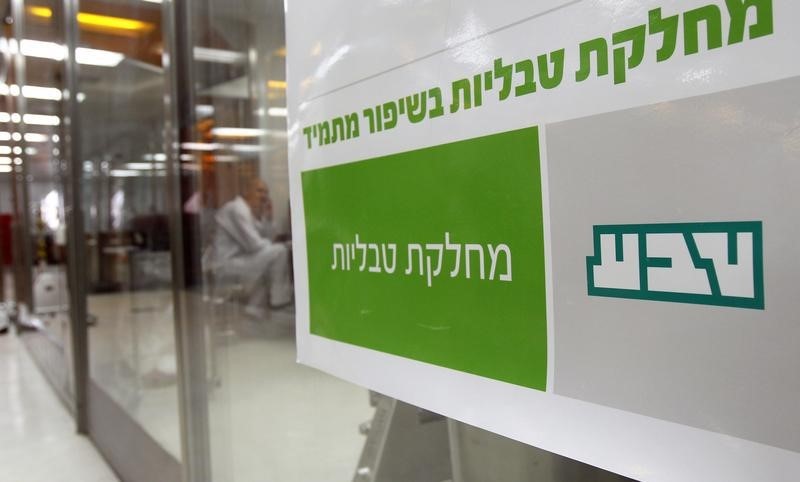
Teva reported Q1 2026 EPS of $0.53 versus $0.48 expected and revenue of $4.0 billion versus $3.81 billion, driving a 10.91% pre-market jump. Free cash flow rose 76% year over year to $200 million, while innovative products Austedo, UZEDY and AJOVY continued to offset generic declines. Management reaffirmed 2026 guidance, reiterated 2027 targets, and announced the $700 million acquisition of Amylyx, which it says will support future CNS growth and margin expansion.
TEVA is starting to trade less like a stranded generics roll-up and more like a self-funded CNS platform with multiple embedded call options. The key second-order effect is that the market will likely re-rate the durability of its cash generation, not just the near-term beat: higher mix plus cost savings lowers the equity’s dependence on any single product cycle, which should compress the funding discount previously applied to the pipeline and BD. The Amylyx deal matters more for portfolio construction than for this quarter — it strengthens the narrative that management can use balance-sheet repair to buy strategic duration rather than just harvest cash.
The biggest competitive implication is for the CNS/psychiatry space: TEVA is turning commercial infrastructure into a repeatable advantage, which should pressure smaller peers that rely on one product launch per franchise. If olanzapine launches cleanly, the platform effect compounds — a second and third brand will reduce customer acquisition costs and make payer access more efficient than standalone entrants. On the flip side, this same channel strength creates a sequencing risk: any hiccup in Austedo channel normalization would be interpreted as a company-level execution miss because the bull case is now so concentrated in the growth portfolio.
The contrarian setup is that consensus may be underestimating near-term volatility while overestimating the smoothness of the 2027 bridge. The stated leverage/cash-flow story is strong, but the market will likely focus on whether current outperformance is being pulled forward from inventory/channel timing, especially ahead of the 2027 pricing reset risk. In other words, the stock can keep working, but the path is likely choppy: if Q2/Q3 show even modest deceleration in Austedo and no immediate de-risking on Amylyx regulatory timing, some of the pre-market enthusiasm could fade.
AI-powered research, real-time alerts, and portfolio analytics for institutional investors.
Request DemoOverall Sentiment
strongly positive
Sentiment Score
0.72
Ticker Sentiment
