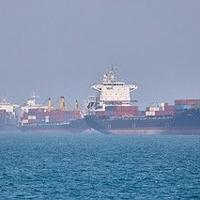
A ship anchored off the United Arab Emirates was seized and taken toward Iran, while another cargo vessel near Oman sank after being attacked, escalating tensions around the Strait of Hormuz. The incidents threaten a critical corridor for global oil and shipping flows and come amid repeated attacks on commercial vessels in the region. The article points to a materially higher risk of disruption for energy markets and maritime logistics.
This is less about one-off disruption and more about the market repricing the probability of a persistent maritime risk premium. When the risk lane tightens around the Strait of Hormuz, the first-order move is crude and freight, but the second-order winners are companies with pricing power in marine insurance, security, and energy logistics, while refiners, chemical producers, and consumer-discretionary importers outside the Gulf become covert losers through higher delivered costs.
The more important catalyst is not the immediate physical damage; it is whether shippers begin rerouting, delaying loadings, or demanding war-risk coverage repricing. Those adjustments can hit even if flows do not fully stop, because a modest increase in transit friction can remove meaningful effective capacity from the market and lift prompt energy prices faster than headline supply losses would suggest. That dynamic tends to show up in front-month contracts and freight rates first, then rolls into broader input-cost inflation within 2-6 weeks.
The tail risk is asymmetric: a few more incidents could trigger a self-reinforcing loop where tanker availability tightens, insurance costs jump, and buyers preemptively bid up alternative barrels. The reversal case is diplomatic de-escalation paired with visible naval escorts and no further incidents for several weeks; absent that, the market usually keeps an elevated geopolitical premium even if spot flows normalize. Consensus may underweight how little actual disruption is needed to move prices in a market already sensitive to inventory draws and shipping bottlenecks.
AI-powered research, real-time alerts, and portfolio analytics for institutional investors.
Overall Sentiment
strongly negative
Sentiment Score
-0.78
