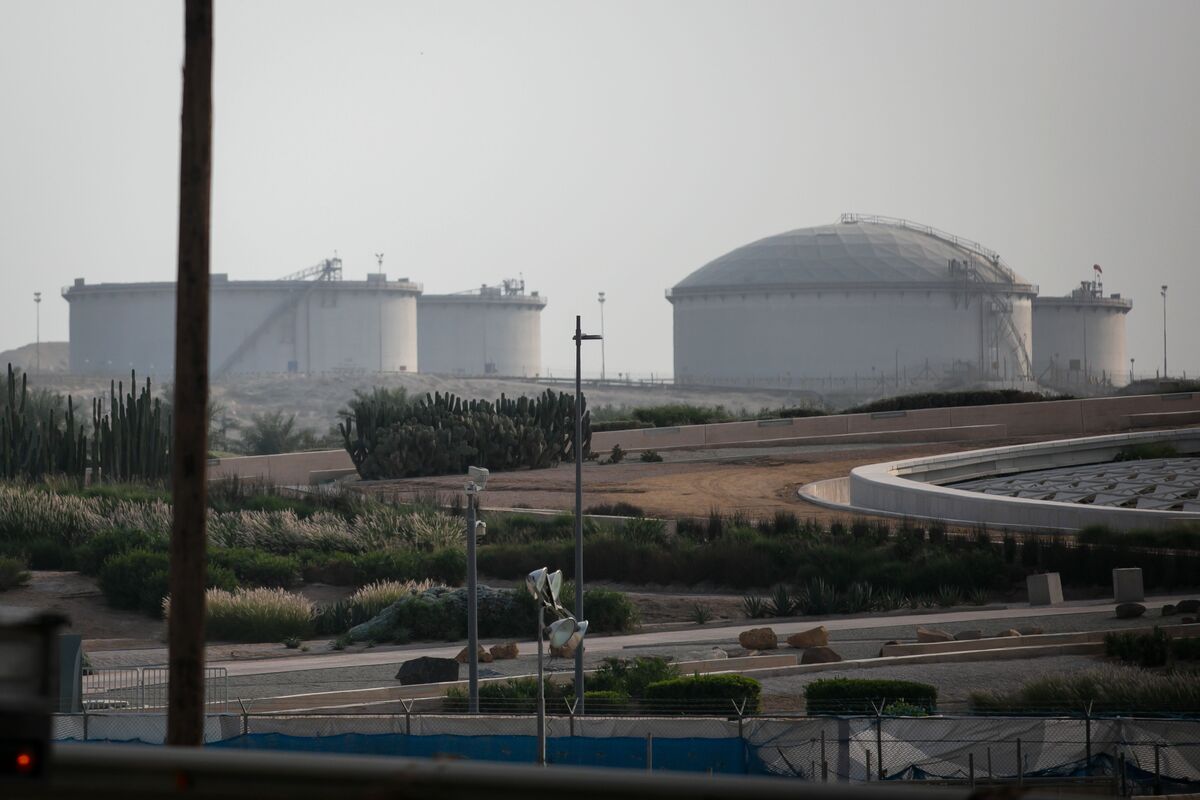
Saudi Aramco is accelerating a privatization and divestment push after an $11 billion lease deal with a BlackRock-led group drew strong global investor demand. The company is lining up asset sales across energy infrastructure and real estate as it seeks to strengthen its balance sheet. The move signals a more aggressive monetization of non-core assets and could be significant for private capital and infrastructure investors.
BLK is a structural winner if this becomes a repeatable capital-markets channel rather than a one-off lease. The key second-order effect is that Aramco is effectively outsourcing balance-sheet optimization to private capital, which should deepen fee pools for alternative managers that can write large, asset-backed checks and then warehouse duration risk. That favors firms with infrastructure, credit, and real-asset platforms more than traditional PE, because the mandate here is stable cash flow plus political durability rather than classic operational turnarounds.
The more interesting read-through is competitive: if one sovereign-linked asset base starts monetizing facilities, real estate, and midstream-like cash flows, other Gulf/National Oil Companies may follow to fund capex without headline leverage optics. That could create a multi-year pipeline for BLK and peers, but also compress returns if too many buyers chase the same “strategic infrastructure” assets; the first wave likely prices best, subsequent waves may come at lower spreads and thinner IRRs.
The main risk is that the market extrapolates too quickly. These transactions are slow to close, politically sensitive, and vulnerable to financing-market stress; if rates reprice higher or credit spreads widen, the private-markets bid can evaporate in months even if strategic interest remains intact. A weaker oil tape would also reduce the urgency for asset sales, making this more of a balance-sheet story than a durable privatization regime.
Consensus is probably underestimating how much this helps BLK’s fundraising narrative versus near-term earnings. Even if fee revenue is back-ended, visible deal flow with a marquee sovereign counterparty lowers perceived fundraising risk and should support multiple expansion across infrastructure and private-credit managers; the stock may rerate before cash flow shows up. The overdone part is assuming every announced asset becomes investable at attractive terms — the best risk/reward is in the platform, not in trying to pick individual downstream assets.
AI-powered research, real-time alerts, and portfolio analytics for institutional investors.
Request DemoOverall Sentiment
moderately positive
Sentiment Score
0.45
Ticker Sentiment
