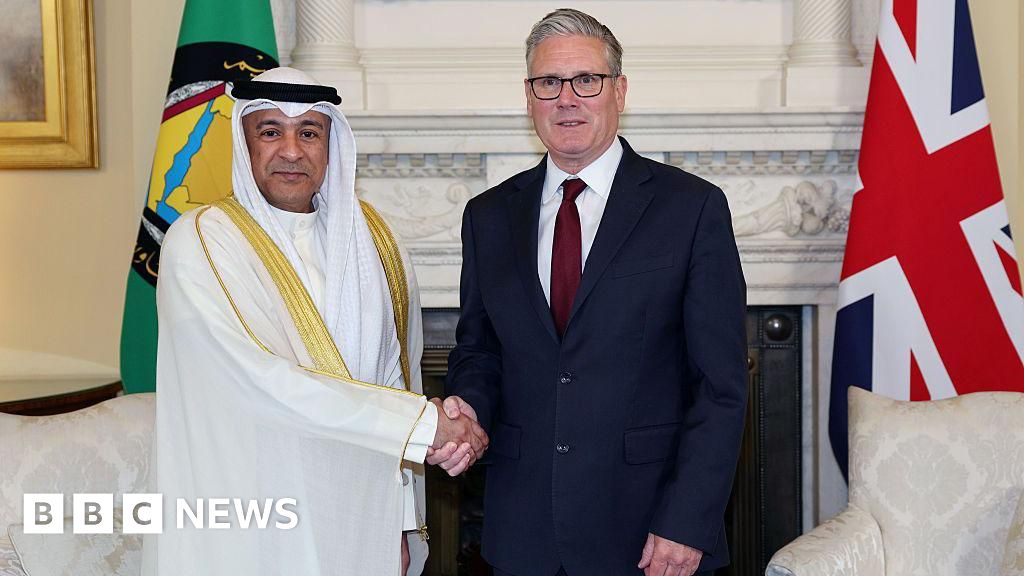
The UK struck a £3.7bn trade deal with six GCC states, removing an estimated £580m a year in tariffs from British exports once fully implemented. The agreement covers Bahrain, Kuwait, Oman, Qatar, Saudi Arabia, and the UAE, and is intended to support UK exporters, jobs, and overseas expansion. The deal is politically significant as the first between a G7 country and the GCC, though it faces criticism over weak human rights, labour, and climate protections.
The immediate market read is not about the tariff savings themselves, but about what they signal: the UK is trying to convert trade policy into a lower-friction channel for services, industrial exports, and capex flow into the Gulf. That tends to benefit UK multinationals with GCC revenue exposure more than domestic cyclicals, because the earnings uplift comes from easier market access and partner formation rather than a one-off import tax change. The second-order effect is a modest reduction in UK policy risk premium versus peers that are still seen as more inward-looking on trade.
The bigger medium-term winner is likely UK premium consumer, industrial, and professional-services brands that can use the GCC as a high-income demand pool. Anything tied to food, luxury, engineering, healthcare services, and project execution should see better order conversion if local procurement frictions fall and UK firms gain preferred access. On the flip side, the article’s ESG criticism matters because it increases the probability that this deal becomes a political football in Westminster and in Europe, limiting how much valuation multiple expansion can be ascribed to the headline.
The contrarian point is that the economic uplift may be smaller than marketed because GCC demand is already highly diversified and many trade barriers in the region are non-tariff in nature. That means the real catalyst is not near-term GDP, but a multi-quarter rerating in UK exporters that can secure distribution, financing, and JV rights faster than competitors from continental Europe or the US. If implementation details are diluted or delayed, the headline boost likely fades within 1-2 quarters, especially if domestic UK growth data soften.
Tail risk is political backlash on human-rights language or climate provisions, which could turn this from a pro-growth narrative into a reputational overhang for the government and participating corporates. The tradeable window is likely days to weeks for sentiment-sensitive UK equities, but months to years for companies that can lock in GCC channel share before rivals reprice their regional strategies.
AI-powered research, real-time alerts, and portfolio analytics for institutional investors.
Request DemoOverall Sentiment
mildly positive
Sentiment Score
0.35
Ticker Sentiment
