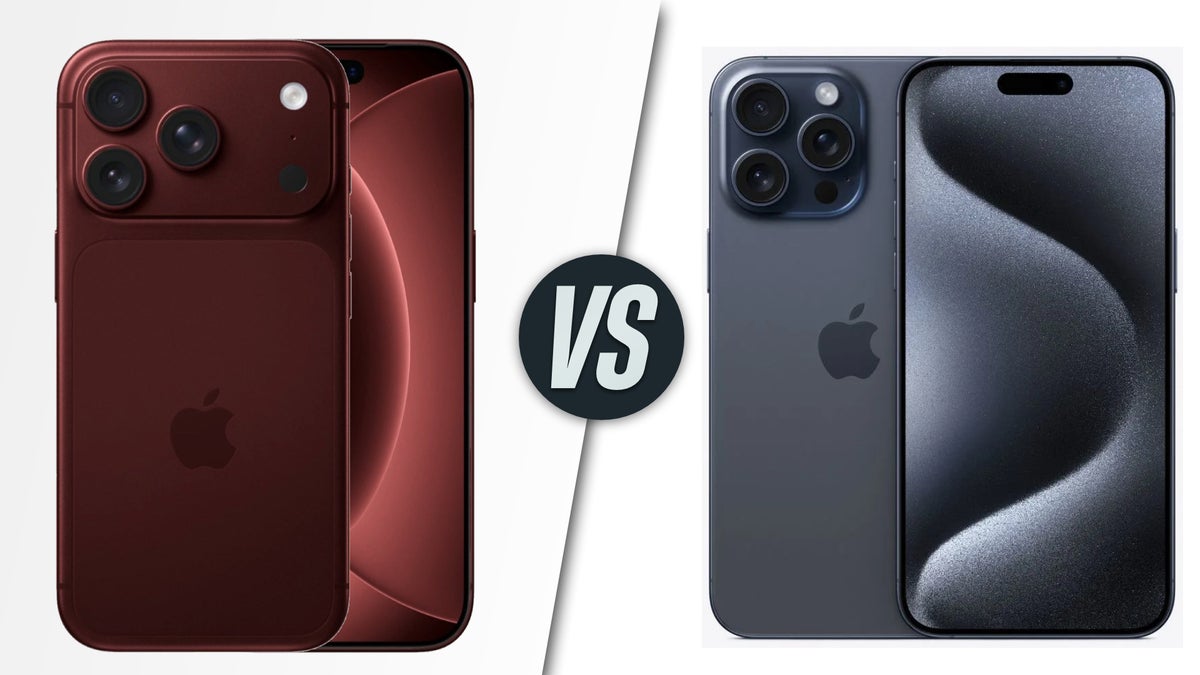
Apple is expected to launch the iPhone 18 Pro Max this fall, with upgrades centered on a 6.9-inch display, A20 Pro 2nm chip, up to 5,200+ mAh battery, and expanded camera hardware versus the iPhone 15 Pro Max. The article frames the newer model as a meaningful but evolutionary upgrade, while noting the iPhone 15 Pro Max remains fully usable and still competitive. This is consumer-electronics product commentary rather than financial results, so the near-term market impact should be limited.
The setup is better for Apple than for Qualcomm. A bigger, more expensive Pro Max refresh with a clearer feature gap versus the 15 Pro Max should support mix shift into Apple’s highest-ASP tier, where incremental margin is most sensitive to storage and attachment-rate upgrades. The larger battery, brighter display, and stronger camera differentiation matter less as standalone specs than as reasons to delay replacement competition and push fence-sitters into the premium end of the cycle.
The second-order issue is silicon and modem integration. If Apple meaningfully advances its in-house modem and 2nm transition, that is a structural negative for QCOM’s content in the top of the iPhone stack, even if the impact is not fully visible in one launch cycle. The market will likely underappreciate how each generation of tighter Apple integration compresses Qualcomm’s long-run negotiating leverage, especially if the premium models become the proving ground for Apple-designed RF and power-efficiency gains.
For demand, the real catalyst is not the hardware delta alone but carrier subsidy behavior. If carriers treat the new Pro Max as the flagship upgrade SKU, promotional intensity can accelerate replacement demand into the September-to-December window; if not, the upgrade thesis becomes a longer-duration story tied to battery degradation and AI feature gating. The downside case is simple: if the launch lands as an evolutionary rather than must-have refresh, replacement demand shifts out another 12 months and the benefits accrue mostly to mix, not units.
Consensus may be overconfident on the idea that a ‘better’ iPhone automatically means a stronger cycle. The bigger unit, heavier build, and expensive top-end configuration could actually narrow the addressable audience among existing Pro Max owners, meaning Apple may win ASP before it wins units. That makes this more of a margin and ecosystem monetization story than a broad handset supercycle.
AI-powered research, real-time alerts, and portfolio analytics for institutional investors.
Request DemoOverall Sentiment
neutral
Sentiment Score
0.15
Ticker Sentiment
