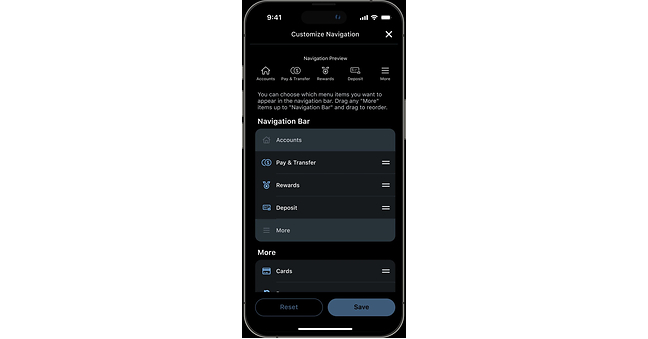
PNC launched a new Mobile Banking app via a phased rollout, with access already provided to clients in several markets (including all recently converted FirstBank customers) and full onboarding expected by end-summer. The app features faster load times, a customizable dashboard (including language/light-dark options), and a next-generation platform intended for continuous updates plus embedded generative AI capabilities for personalized insights and self-service. PNC’s existing mobile platform serves 8 million clients and 150 million monthly sessions, with active users up 8% YoY in Q1, suggesting the modernization is aimed at further accelerating digital adoption.
This is primarily a funding and retention story, not an immediate earnings catalyst. For a large regional bank, a better mobile experience matters when it reduces account friction, keeps payroll deposits sticky, and lowers service cost per active customer; the real upside is in deposit beta and cross-sell, not in the app itself. If the rollout improves the share of customers who treat PNC as their primary bank, the P&L impact shows up with a lag through cheaper funding and higher fee penetration.
The second-order winner is PNC’s balance sheet versus weaker regional peers that still rely on branch traffic to defend deposits. In a lower-rate backdrop, digital convenience becomes a defensive moat because customers are more willing to move balances for basis points, so a cleaner app can help preserve low-cost funding even if loan growth is muted. The losers are banks with comparable scale but worse digital UX, plus niche fintechs whose convenience edge narrows when universal banks close the product gap.
Near term, the biggest risk is execution drag: phased rollouts often create temporary login issues, higher call-center volumes, and noisy app-store sentiment that can swamp any marketing benefit for a quarter. The thesis only becomes investable if PNC shows a sustained inflection in active users, direct-deposit adoption, or checking retention over the next 1-3 quarters; otherwise this is mostly cosmetic and should not move the multiple materially over 6-12 months. The contrarian view is that the market may underappreciate the deposit stickiness benefit while overpaying for the AI narrative embedded in the press release.
AI-powered research, real-time alerts, and portfolio analytics for institutional investors.
Request DemoOverall Sentiment
mildly positive
Sentiment Score
0.25
Ticker Sentiment
