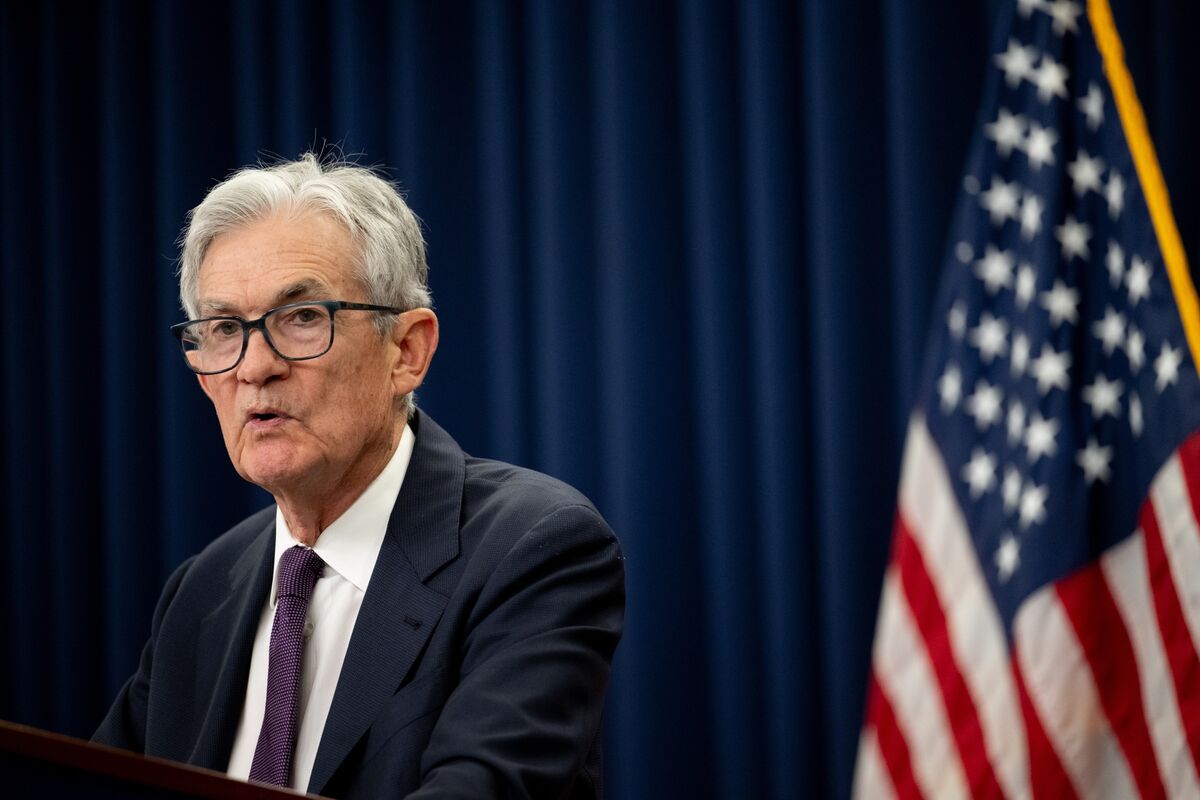
The Federal Reserve named Jerome Powell as temporary chair until Kevin Warsh is sworn in, with Powell's four-year term ending Friday. Warsh has already been confirmed by the Senate, but the transition is not complete until the swearing-in. The news is largely procedural, but it concerns the leadership of the Fed, so it has market-wide relevance.
The key market implication is not the temporary title itself, but the reduction in governance uncertainty during a potentially delicate handoff period. A clean, orderly transition lowers the odds of an institutional credibility shock that could have steepened front-end rate vol and widened cross-asset risk premia for banks, housing, and duration-sensitive equities. In practice, this favors a short-term compression of policy-risk premium rather than a directional repricing of the curve.
Second-order effect: with a new chair expected to arrive shortly, the market will start to discount a possible change in reaction function before any policy action occurs. That means the move could matter more for implied volatility than for spot rates over the next 1-4 weeks; the first repricing is likely to show up in SOFR / Treasury options, regional banks, and rate-sensitive REITs. If the successor is perceived as more hawkish or more politically assertive, the steepener trade becomes vulnerable; if perceived as continuity, the current calm may extend into the next FOMC cycle.
The contrarian view is that investors may be overestimating the signal content of this transition. A temporary chair arrangement is administratively necessary, not a policy tell, and the more relevant catalyst is the first public signaling from the incoming leader. Until then, the best risk/reward may be fading knee-jerk moves in long-duration assets rather than positioning for a large macro regime shift.
Tail risk is a communication misstep during the first 2-6 weeks of the new tenure: even a small deviation in tone can trigger a sharp move in rates because positioning has likely been built for continuity. That argues for keeping powder dry until the new chair’s first testimony / press conference establishes whether the market should pay a higher term premium for policy uncertainty.
AI-powered research, real-time alerts, and portfolio analytics for institutional investors.
Request DemoOverall Sentiment
neutral
Sentiment Score
0.00
