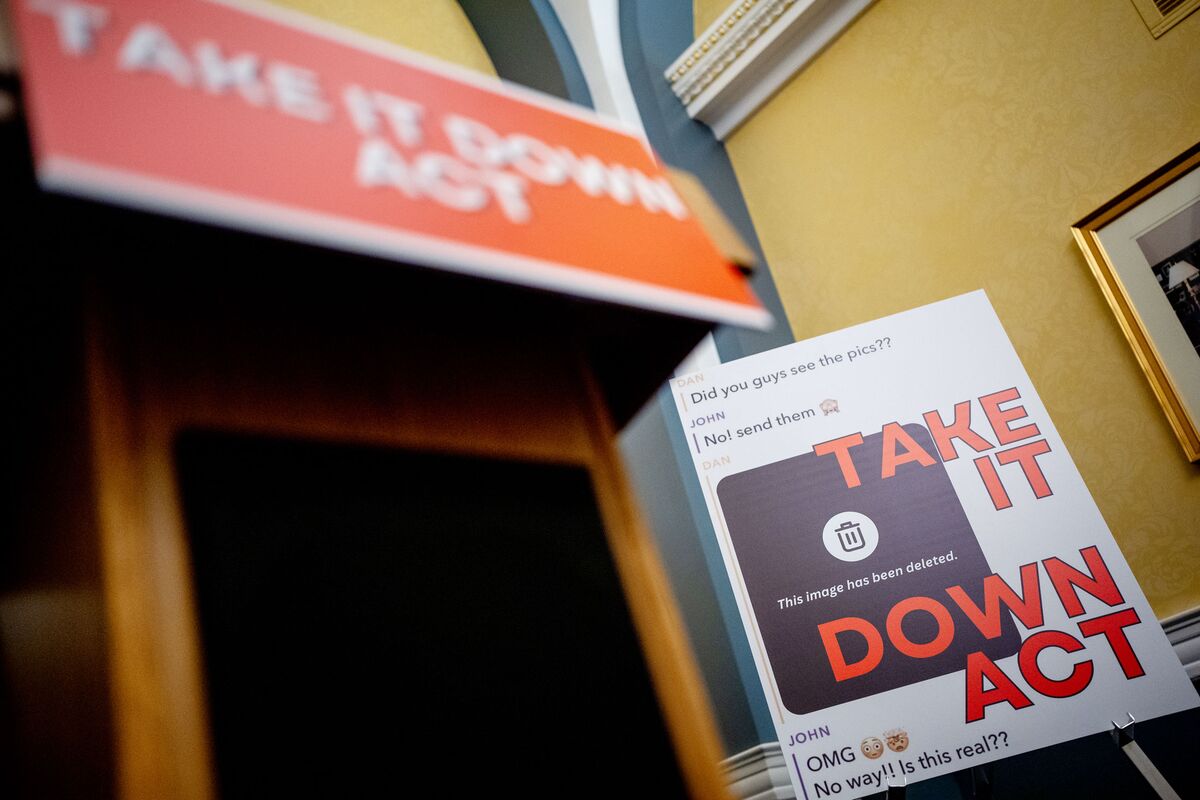
Deepfakes, AI-generated audio, images, and videos used to misrepresent individuals or create false scenarios, are proliferating online, leading to scams and reputational damage. Fraud attempts using deepfakes have increased over 20-fold in the last three years according to Signicat, prompting alarmed governments to struggle to combat their spread amid rapid advancements in AI technology that simplify their creation.
The proliferation of AI-generated deepfakes, encompassing manipulated audio, images, and video, presents a rapidly escalating challenge across digital platforms. These fabrications are increasingly utilized for malicious purposes, including 'nudification,' consumer scams, and targeted reputational damage against public figures and politicians. The ease of creating realistic deepfakes, driven by accessible AI tools, has led to a significant surge in related fraudulent activities; identity verification firm Signicat reports a more than 20-fold increase in deepfake-driven fraud attempts over the past three years. Despite growing alarm and efforts by governments to legislate and combat this trend, current countermeasures are proving largely ineffective, indicating a persistent and expanding threat landscape. This development, underscored by a negative sentiment and pessimistic tone, highlights critical vulnerabilities in digital trust and information integrity, with broad implications for cybersecurity, regulatory frameworks, and industries reliant on authentic digital interaction.
AI-powered research, real-time alerts, and portfolio analytics for institutional investors.
Request DemoOverall Sentiment
Negative
Sentiment Score
-0.50
