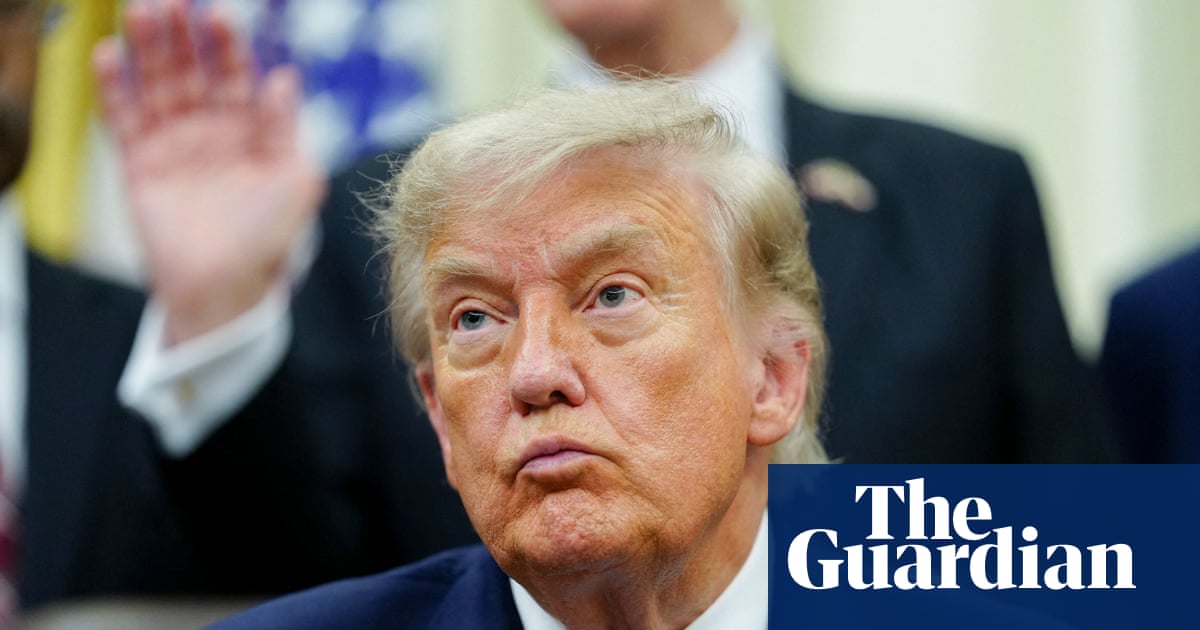
Trump threatened a 100% tariff on any country that imposes a digital services tax on US companies, escalating trade tensions with the EU. France, Spain, Italy and the UK already levy DSTs, including the UK's 2% tax that raised more than £800m in 2024-2025. The EU said it would respond swiftly if targeted, raising the risk of a broader US-EU trade confrontation ahead of the upcoming tariff-deal deadline.
This is less about the direct tariff threat and more about reopening a policy channel that hits US mega-cap platforms through the one lever Europe can actually pull: tax policy that is politically easy to defend domestically. The market should treat this as a recurring headline risk rather than a one-off, because it creates a binary overhang on global advertising and cloud multiples anytime Brussels or individual capitals debate fiscal measures. The first-order earnings hit is manageable, but the second-order effect is valuation compression from higher regulatory discount rates, especially for names already carrying premium FCF multiples.
The most exposed line item is not current cash taxes so much as the precedent risk: if digital taxes become linked to trade retaliation, US tech faces a widening menu of policy costs across other jurisdictions that may copy Europe’s playbook. That argues for broader sector dispersion — hardware and platform-adjacent names with more ex-US revenue sensitivity may underperform software/infrastructure with lower EU exposure. A 100% tariff threat also raises the odds of preemptive bargaining, which can cap upside in the near term but keep realized volatility elevated for weeks to months.
There is a non-obvious beneficiary set outside the obvious losers: European domestics and regional media/e-commerce incumbents that have long complained about US platform dominance could gain relative policy cover if this escalates. Meanwhile, global supply chains tied to EU-US goods flows may see knock-on risk if retaliation broadens beyond digital taxation, with autos, industrials, and luxury most vulnerable to political spillover. The key catalyst window is the next 1-8 weeks as tariff rhetoric intersects with EU implementation timelines; if the EU blinks, the trade is a fade, but if officials signal coordination, this becomes a full risk-off tape for cross-Atlantic cyclicals.
Contrarian view: the market may already be assuming a familiar Trump bluff cycle, which makes outright shorting the megacaps dangerous if Europe delays action or opts for a narrow carve-out. The better expression is to buy cheap convexity around event dates rather than shorting spot into a policy headline that can reverse on a single diplomatic call. The asymmetry favors hedged trades, not directional conviction, because the downside is slow grind regulatory pressure while the upside is abrupt de-escalation.
AI-powered research, real-time alerts, and portfolio analytics for institutional investors.
Request DemoOverall Sentiment
moderately negative
Sentiment Score
-0.45
Ticker Sentiment
