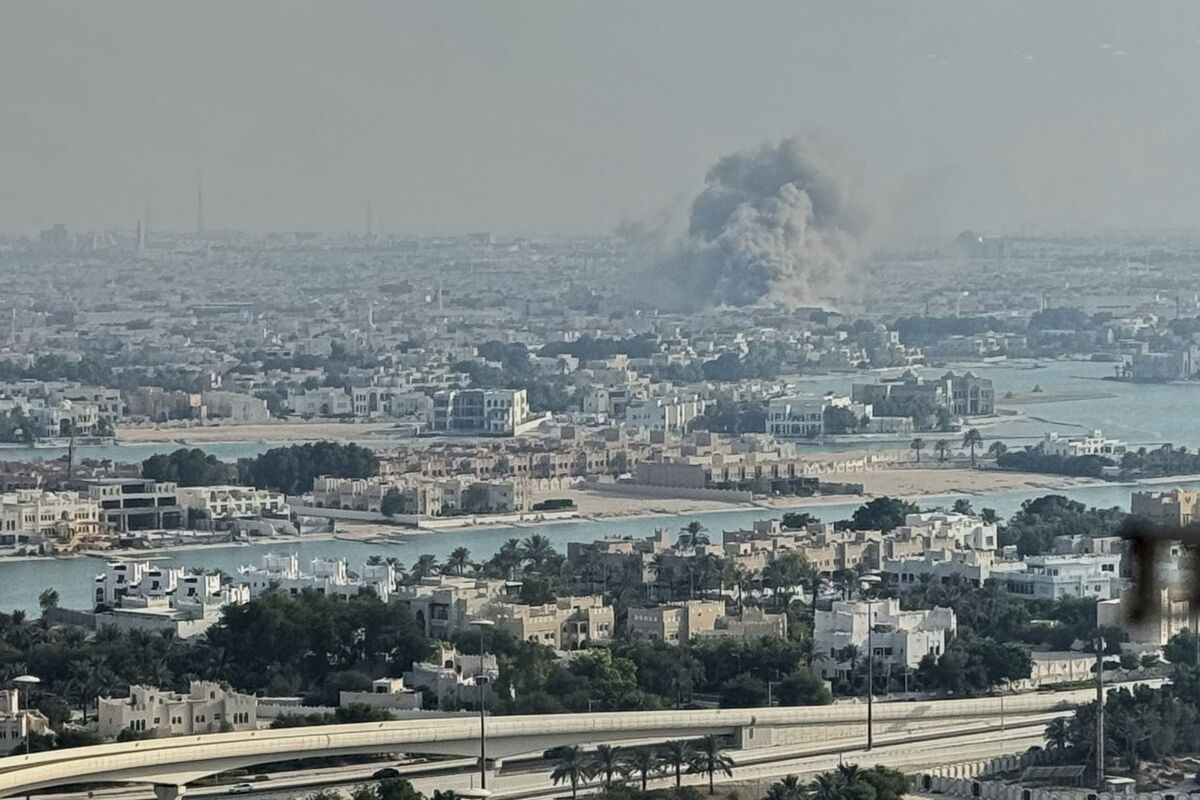
An unprecedented Israeli strike in Qatar, targeting Hamas leaders, has significantly jeopardized US-backed efforts to normalize ties with Gulf Arab nations and potentially crippled ongoing Gaza ceasefire negotiations. This action against a peacetime US ally marks a dramatic escalation of Israel's regional military posture.
An unprecedented Israeli military strike in Qatar targeting Hamas leadership represents a significant escalation of regional geopolitical tensions. This action directly jeopardizes two critical diplomatic initiatives: the US-supported normalization of relations between Israel and Gulf Arab nations, and the ongoing Gaza ceasefire negotiations. By extending its military operations to Qatar, a peacetime US ally, Israel has broadened the geographic scope of its conflict and introduced a new layer of instability, following recent airstrikes in Syria, Lebanon, and Iran. The event's strongly negative sentiment score of -0.8 and high market impact score of 0.7 indicate that financial markets are likely to price in a higher geopolitical risk premium, anticipating potential disruption to energy markets and regional economic activity.
AI-powered research, real-time alerts, and portfolio analytics for institutional investors.
Request DemoOverall Sentiment
strongly negative
Sentiment Score
-0.80
