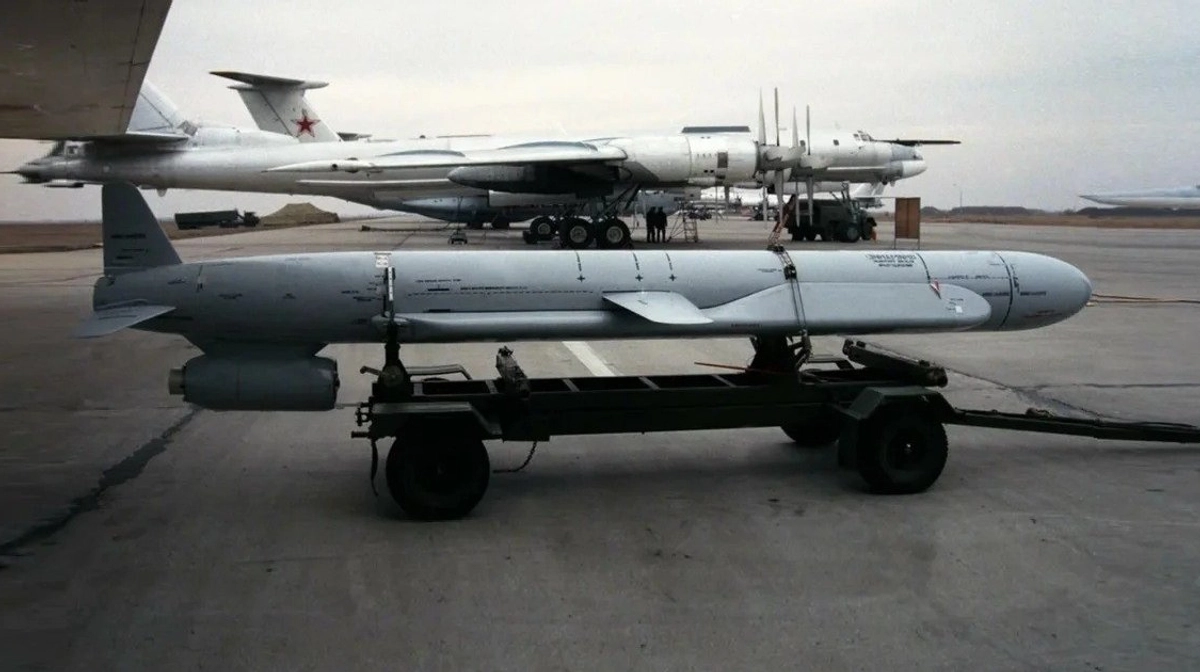
Ukraine says Russian Kh-101 cruise missiles used in the 14 May Kyiv strike were manufactured in Q2 2026 and contained more than 100 Western components, including parts from U.S., German and Dutch suppliers. The attack killed 24 people and highlights persistent sanctions evasion and supply-chain leakage despite export restrictions. The report is geopolitically negative and could reinforce risk-off sentiment around the Russia-Ukraine conflict and sanctions enforcement.
This is not a one-off sanctions leak; it is evidence that the enforcement regime is failing at the component level, where dual-use electronics can be rerouted through intermediaries, relabeled, and stockpiled into finished weapons over a multi-quarter lag. The key second-order effect is that Western export controls are now being tested against a long, opaque replenishment chain, which means headline sanctions announcements are likely to have diminishing marginal impact unless they hit brokers, distributors, and gray-market logistics nodes. For markets, that shifts the discussion from “can Russia build advanced weapons?” to “which firms and jurisdictions are becoming the repeated transit points for controlled parts?”
For TXN and AMD, the direct earnings impact is negligible, but the headline creates a reputational and compliance overhang that can compress multiple expansion if investors start pricing recurring diversion risk into industrial and semiconductor supply chains. The bigger risk is not lost revenue; it is forced tightening of distribution policy, additional KYC/end-user controls, and slower channel sell-through in non-U.S. markets as OEMs and resellers de-risk exposure. That tends to be a 3-12 month story, with the first-order market reaction in the next few sessions likely dominated by passive “Russia sanctions” selling rather than fundamentals.
The contrarian read is that this is mildly bullish for the larger, more compliant analog and fabless names versus smaller component suppliers and distributors. If regulators respond by widening controls, the market may eventually reward firms with tighter traceability and stronger government relationships, while punishing gray-market-exposed channels and lower-quality distributors. The risk to a short is that the actual buyers of these components are hard to trace and the media cycle fades quickly unless there is a new enforcement action, so any trade should be sized as a sentiment/ESG overhang trade rather than a thesis on revenue loss.
The cleanest trade is a relative-value short TXN/AMD basket against a broader semis long if the stocks gap down on the headline, with a 1-3 week horizon for mean reversion once investors see there is no direct demand hit. If policymakers announce secondary sanctions, customs seizures, or distributor audits, extend the trade and short the weakest supply-chain-exposed peripherals and distributors rather than the headline names. For higher-conviction hedging, buy short-dated downside puts only into strength after the open, because the risk/reward is best when implied volatility lags the geopolitical headline and then re-prices on follow-up enforcement risk.
AI-powered research, real-time alerts, and portfolio analytics for institutional investors.
Request DemoOverall Sentiment
strongly negative
Sentiment Score
-0.70
Ticker Sentiment
