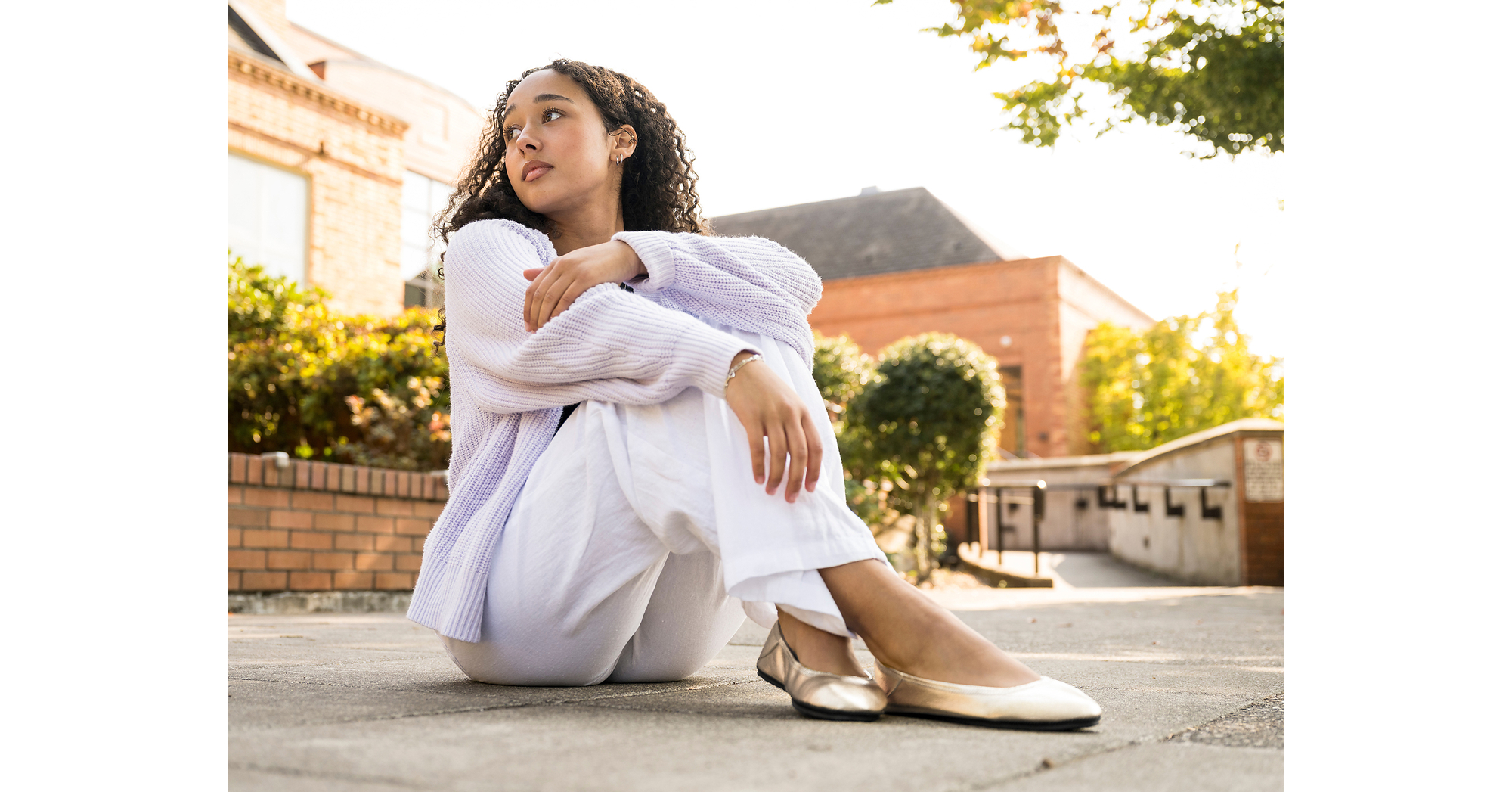
Softstar Shoes promotes its USA-made “glove shoes” featuring soft bullhide leather soles across models like the Ballerine flats, Dash lace-ups, and Primal RunAmoc. Pricing is cited at $190–$225, with customization in hundreds of color combinations and claims of comfort/health benefits (e.g., proprioception and improved balance). The article is a brand/product update with no financial metrics, guidance, or earnings impact.
This reads more like a brand halo event than an investable catalyst. The only plausible public-market winners are premium comfort-footwear names and DTC niche brands that can capture consumers trading down from status-heavy footwear into lower-profile, health-positioned product; but the addressable market is too small to move the sector absent wholesale distribution or repeat purchase data. The bigger second-order effect is competitive substitution inside women’s casual and athleisure: if minimalist silhouettes stay in vogue, they can slightly pressure fashion-luxury heel franchises while supporting comfort-first brands, but that impact is likely measured in mix points, not category growth.
The main risk is over-interpretation of editorial coverage as demand. The article implies price premiums and made-in-USA craftsmanship, which may actually cap scale because labor and tannery inputs are less flexible than imported sneaker supply; that can protect margins at low volume but makes mass-market penetration harder. Near term, the setup is days-to-weeks noise; over 1-3 months the only real catalyst would be channel checks showing broader sell-through in specialty retail. Over 6-18 months, the thesis only matters if the ‘healthy footwear’ trend expands beyond a fashion cycle into routine wardrobe substitution; otherwise this fades with seasonality.
Contrarian view: the market is likely underpricing how quickly a microtrend can reverse once runway coverage rotates. Without evidence of repeat demand, this is better viewed as marketing for a private brand than as a signal for public comps. The thesis would be falsified if minimalist footwear share does not improve by back-to-school or if comfort-footwear leaders fail to mention any category uplift in upcoming guidance or commentary.
AI-powered research, real-time alerts, and portfolio analytics for institutional investors.
Request DemoOverall Sentiment
neutral
Sentiment Score
0.10
