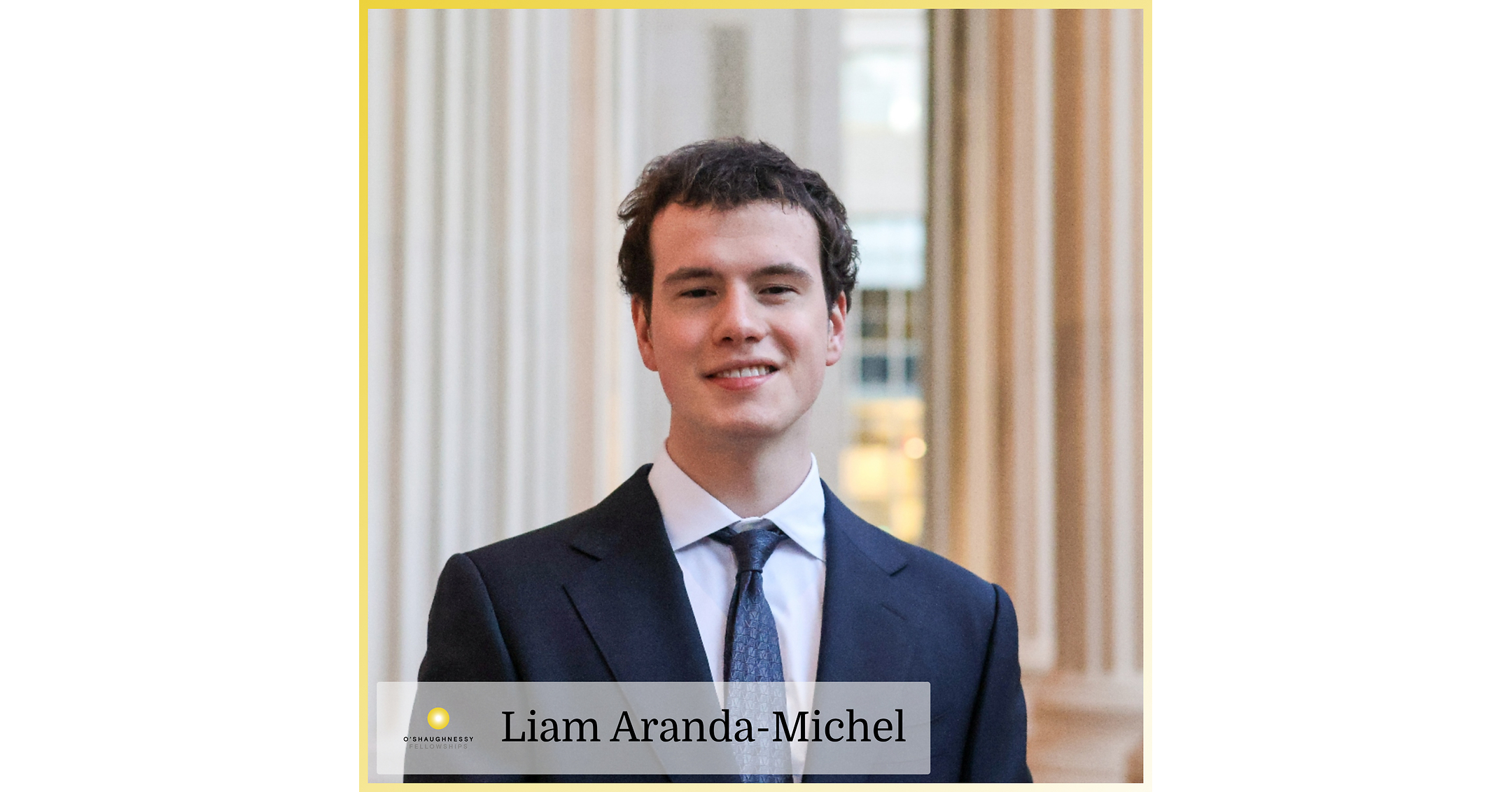
O’Shaughnessy Ventures awarded an O’Shaughnessy Fellowship to bioengineering researcher Liam Aranda-Michel to develop an injectable therapy aimed at restoring tissue blood supply without major surgery. The fellowship provides grants of up to $100,000 and supports up to 20 fellowships in 2026 (Aranda-Michel is the 11th announced). The piece is favorable on medical innovation prospects but is unlikely to move public markets given it’s a private R&D funding announcement.
This is not a near-term public-markets catalyst; it is an option-value event for the private biotech stack. The only investable mechanism today is that lower-cost vascularization research can marginally increase the number of shots on goal in regenerative medicine, but commercialization still depends on durability, immune response, manufacturability, and reimbursement. That means any benefit to public comparables like XBI/IBB is years away and likely too diffuse to trade on this announcement alone.
If the platform works, the second-order winners are not the obvious wound-care or surgical-device names first; they are the enabling tools vendors and CDMOs that get incremental workflow demand from more tissue-engineering programs. But that upside is diluted unless the work reaches reproducible in vivo perfusion data, which is the real gating event. Until then, the market should treat this as scientific signal, not revenue signal.
Contrarian view: consensus will probably overestimate how fast "injectable vascularization" becomes a reimbursable therapy. The bottleneck is less ideation than translational attrition; most of these programs fail at scale-up or functional persistence, not at concept. The tradeable risk is that early enthusiasm lifts small-cap regenerative names without any fundamental read-through, creating a fadeable move if the sector rerates on headlines rather than data.
AI-powered research, real-time alerts, and portfolio analytics for institutional investors.
Overall Sentiment
mildly positive
Sentiment Score
0.25
Ticker Sentiment
