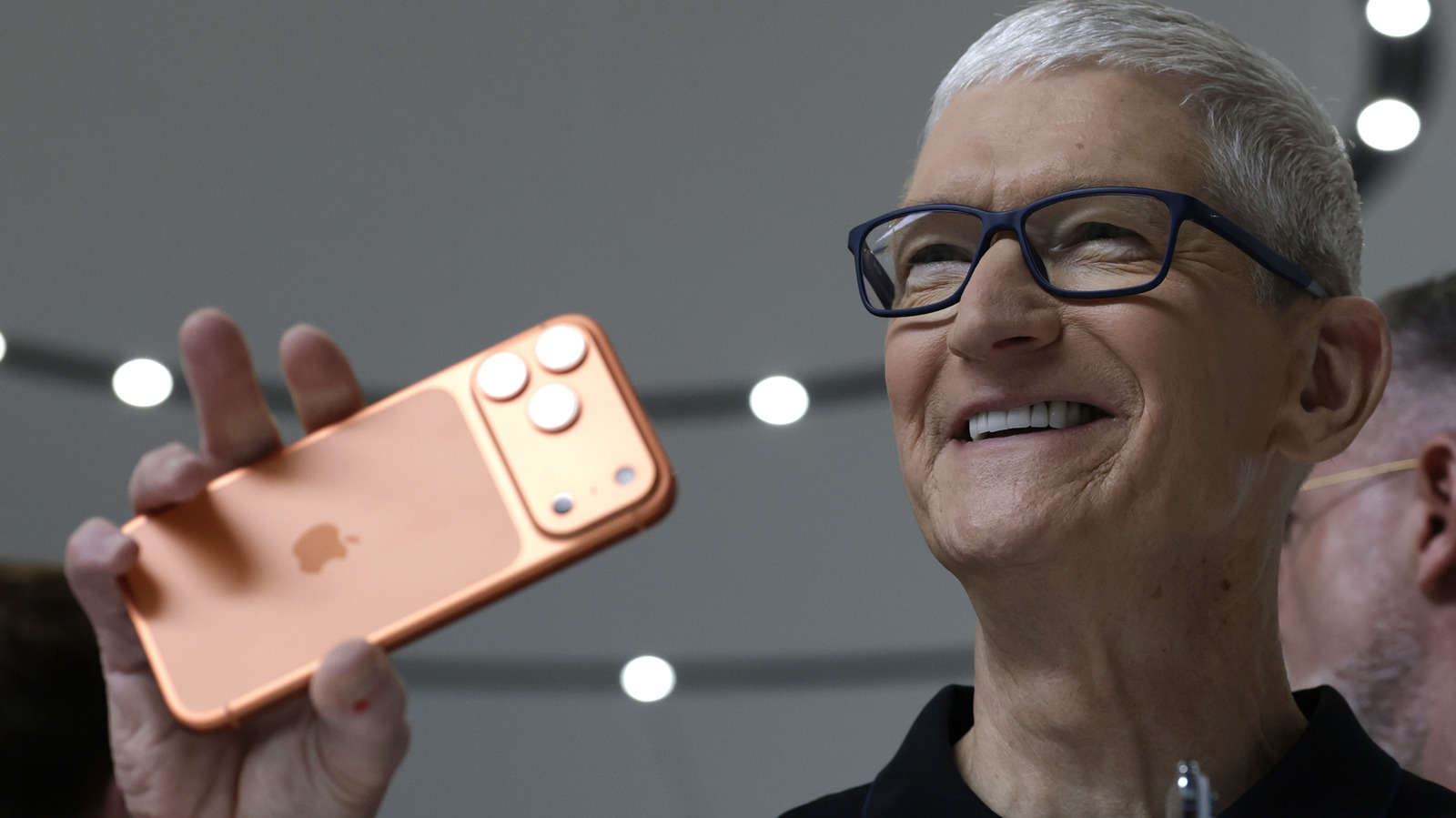
Apple's long-rumored iPhone Fold is now expected to launch with a 5.5-inch cover display, 7.8-inch inner display, A20 chip, 12GB RAM, and a battery of about 5,500 mAh. Pricing is widely expected to be premium, with estimates ranging from roughly $2,000 to as high as $2,900 depending on storage. The device may launch alongside the iPhone 18 Pro models but could slip to October, November, or even 2027 if supply and manufacturing issues persist.
Apple’s foldable is less important as a unit volume story than as a signal that premium smartphone replacement cycles may finally get a new catalyst. The likely demand pool is not mass-market Android switchers; it is the installed base of iPhone Pro users who are already paying for high-end hardware and are most sensitive to novelty, status, and media consumption utility. That makes this a higher-margin attach-rate event for Apple, but also a mix shift risk for the broader iPhone portfolio if some Pro Max demand gets cannibalized rather than incrementalized.
The first-order beneficiaries are upstream capacity providers and the highest-end component stack. TSM stands out because a leading-edge 2nm ramp plus advanced packaging typically creates a scarcity premium before it creates volume; even a modest initial build can lock in wafer starts and raise Apple’s bargaining leverage for the rest of the cycle. Qualcomm is more ambiguous: Apple’s in-house modem and connectivity silicon reduce long-term content, but the launch window can still support sentiment if the market extrapolates a broader premium-device refresh into Android foldable comparison shopping.
The bigger underappreciated risk is execution and timing slippage, not demand. A foldable launch delayed into late 2026 or region-limited would turn this into a headline event with limited near-term revenue impact, while any evidence that yield or hinge reliability is still immature would pressure gross margin expectations. Conversely, if Apple prices at the top end, it could validate foldables as a premium category and lift Android foldable ASPs, but that also raises the bar for consumer acceptance given weaker feature parity versus the Pro line.
Consensus may be underestimating how much of this is a supply-chain story rather than a consumer story. The constrained ramp, memory scarcity, and advanced materials mix mean the first-year financial contribution could be modest even if the product is culturally important. That argues for trading the enabling infrastructure over the handset narrative itself, and for fading any move in Apple if the market starts assuming a large earnings contribution before supply normalizes.
AI-powered research, real-time alerts, and portfolio analytics for institutional investors.
Request DemoOverall Sentiment
neutral
Sentiment Score
0.15
Ticker Sentiment
