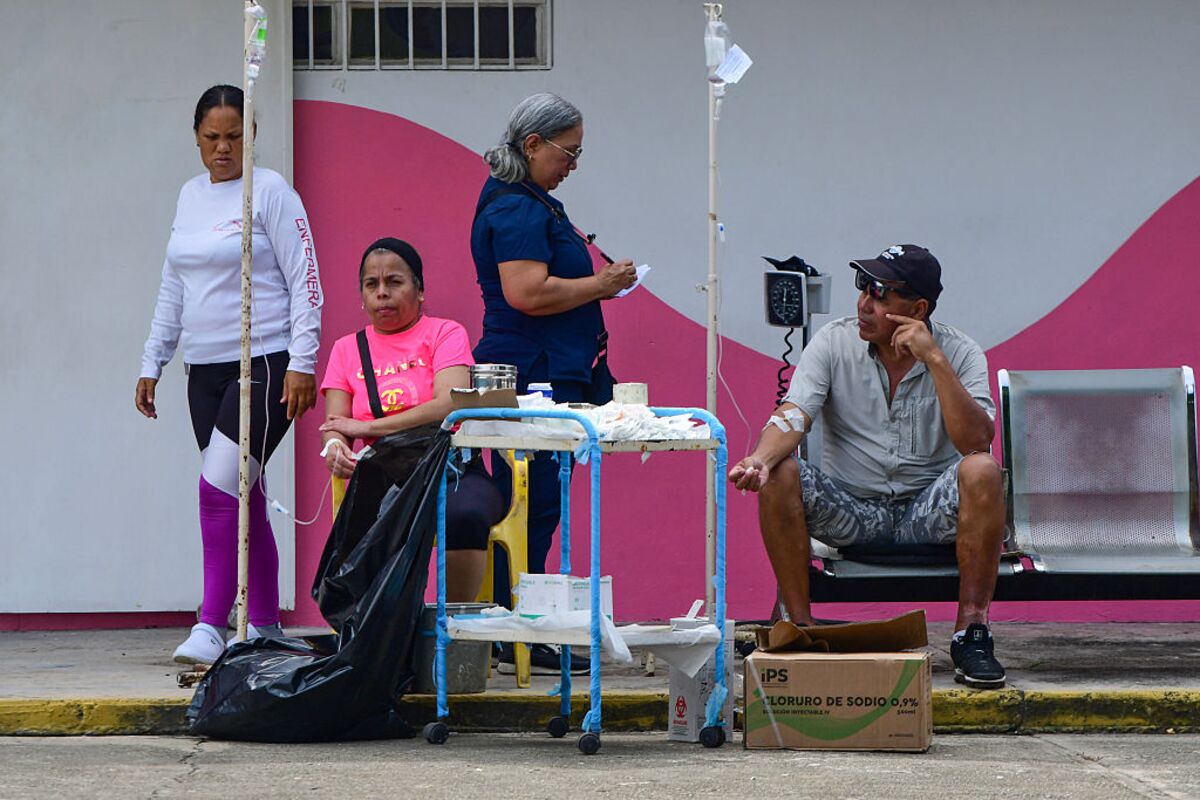
Two earthquakes measuring 7.2 and 7.5 struck Venezuela within a minute of each other, leaving nearly 3,400 injured and a death toll approaching 1,000 nationwide. The quakes toppled buildings and severely damaged the country’s main international airport, while more than 200 aftershocks further strained emergency response. The disaster is overwhelming an already fragile health system in La Guaira and beyond.
The immediate economic hit is not the headline casualty count; it is the collapse in logistics reliability. When the airport is impaired and coastal infrastructure is damaged, the first-order effect is a sharp drop in the velocity of imported essentials, medical supplies, and spare parts, which can extend the shock well beyond the quake window. That creates a second-order stress point for any business exposed to just-in-time inventory or cross-border distribution into northern South America, where even a short interruption can cause outsized working-capital strain.
The deeper market implication is a regime shift from disaster response to health-system contagion risk. Over the next 2-8 weeks, the binding constraint will be hospital capacity, sanitation, and medicine availability, not search-and-rescue headlines; that tends to elevate demand for emergency logistics, temporary medical infrastructure, water treatment, and basic pharmaceuticals. If aftershocks persist, reconstruction timelines will slip from weeks into months, delaying normalization of transport corridors and increasing the probability of localized shortages and price spikes in necessities.
The contrarian angle is that the market may underprice the persistence of the disruption because the visible damage is concentrated, but the economic damage radiates through weak institutions. In fragile emerging markets, a natural disaster often becomes a fiscal and balance-of-payments event: emergency imports rise while tourism, port throughput, and airport-linked commerce fall, worsening currency pressure and sovereign risk. The tradeable opportunity is less about Venezuela-specific direct exposure and more about proxies that benefit from emergency procurement and regional risk premia, while avoiding assets levered to Latin American consumer and logistics normalization.
AI-powered research, real-time alerts, and portfolio analytics for institutional investors.
Request DemoOverall Sentiment
extremely negative
Sentiment Score
-0.90
