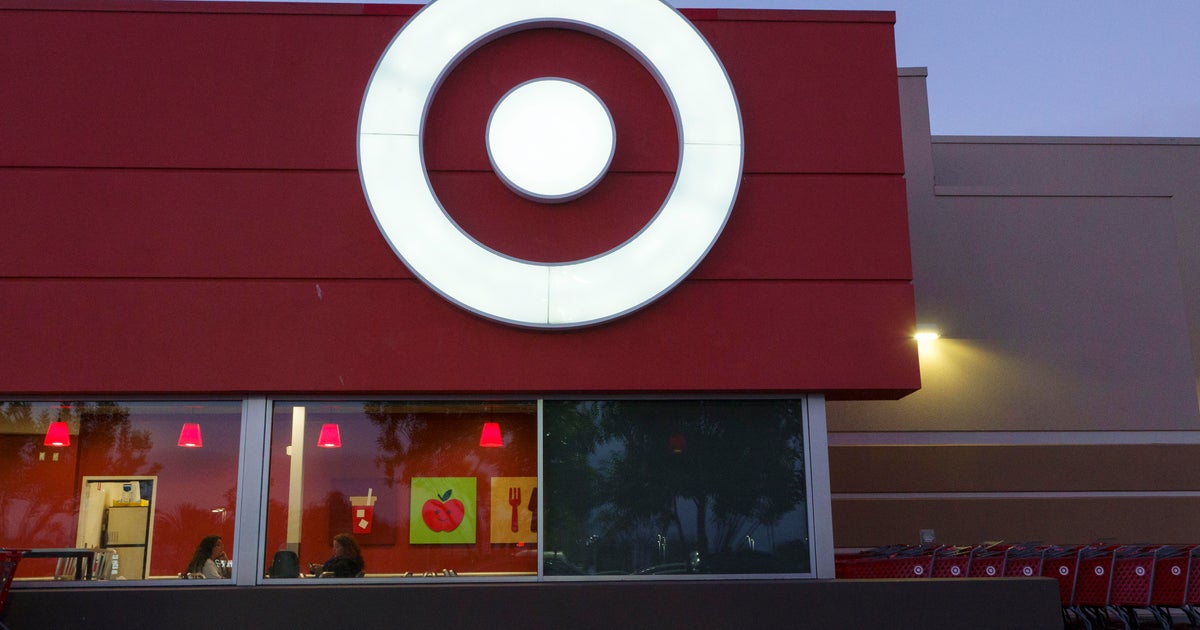
Target reported first-quarter net sales of $25.44 billion, up 6.7% year over year, with comparable sales rising 5.6% versus a 3.8% decline a year ago. EPS of $1.71 beat the $1.47 consensus, and the company raised full-year net sales growth guidance to 4% from 2% while keeping EPS guidance near the high end of $7.50-$8.50. The results suggest early traction in its turnaround, though management remains cautious amid macro uncertainty and ongoing operational overhaul.
The key signal is not a single-quarter beat; it is that traffic improved across the broad basket while the company is still early in a multiyear operating reset. That matters because in mass retail, demand inflections usually show up first in discretionary mix and basket breadth before margin recovery does. If management is right, the next leg is less about top-line surprise and more about operating leverage from better in-stocks, cleaner shelves, and improved conversion as labor spend and supply-chain fixes start compounding.
Second-order, this is a relative-share story more than an absolute retail recovery story. A stronger Target implies the consumer is still willing to trade up within value channels, which pressures Walmart and other general merchandise peers on share of wallet, especially in home and apparel where brand perception matters. The supply-chain hire from Walmart is also a tell: if execution improves, the biggest incremental winner may be TGT's gross margin and inventory turns rather than revenue alone, while vendors in discretionary categories may gain pricing power through better shelf placement and faster replenishment.
The risk is that this is a fragile, promotion-sensitive inflection that can fade over the next 1-2 quarters if traffic was helped by transient assortment changes, stimulus-like calendar effects, or consumers trading down amid gas-price pressure. The harder part of the turnaround is not demand generation but sustaining it without eroding margin, especially if the company continues to spend on labor, remodels, and supply-chain remediation while input volatility persists. If broader retail datapoints deteriorate in summer, the market will quickly reframe this as a temporary execution rebound rather than a durable share-gain cycle.
Consensus may be underestimating how much of the upside is already in the stock from a sentiment standpoint, while still underpricing the possibility that the turnaround can mechanically lift earnings faster than sales once comp margins normalize. The cleaner expression is relative: long TGT versus short a consumer staple/retail peer or versus WMT if you believe Target’s brand repair will drive a sharper discretionary recovery. The biggest overhang is governance/reputation volatility; a renewed boycott or activist flare-up could derail the thesis even if operational metrics continue to improve.
AI-powered research, real-time alerts, and portfolio analytics for institutional investors.
Request DemoOverall Sentiment
moderately positive
Sentiment Score
0.58
Ticker Sentiment
