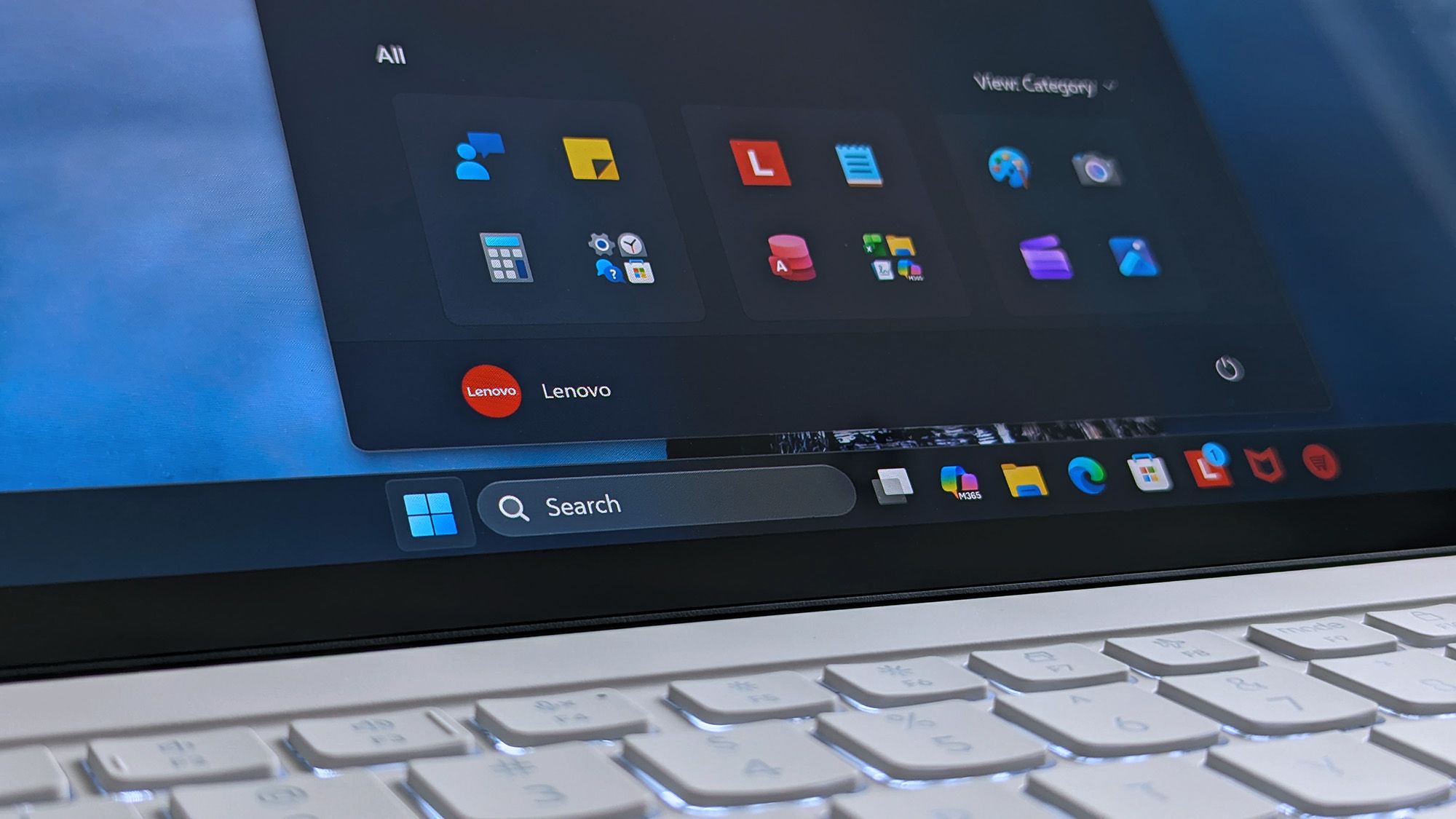
Microsoft is rolling out Windows 11's new "Low Latency Profile" feature, which briefly maxes out CPU frequency to improve app launches and flyout responsiveness. VP Scott Hanselman said the approach is standard across modern operating systems, including macOS, Linux, and smartphones, and Microsoft is pairing it with broader code optimization efforts. The article frames the change as a genuine performance improvement, but it is unlikely to have a near-term material market impact.
The market is likely underestimating how much of Windows’ perceived sluggishness is a power-management and scheduling problem rather than a pure code-quality problem. If Microsoft can make launches and UI interactions feel meaningfully faster with a relatively low-cost OS-level heuristic, the marginal user experience gain could be outsized versus the engineering effort, which matters because “feels fast” drives retention more than benchmark purity. This is bullish for MSFT in the near term because it supports the narrative that Windows 11 is still being actively re-architected for modern hardware rather than being a legacy drag.
Second-order, the feature is a reminder that the PC stack increasingly behaves like mobile: bursty performance, aggressive power gating, and latency-sensitive tuning. That favors OEMs and silicon partners that can sustain short turbo bursts without thermal penalties; it is less about raw peak CPU and more about how well laptops handle transient workload spikes. If users perceive fewer micro-stutters, it can modestly improve upgrade demand for new Copilot+/AI PC class devices over the next 2-4 quarters, especially in enterprise refresh cycles where user frustration is a latent replacement trigger.
The contrarian miss is that this does not eliminate the core critique of Windows quality; it just masks it selectively. If the boost feature works but battery life or thermals worsen on lower-end machines, backlash could return quickly, especially in the consumer channel, and that would cap enthusiasm after the initial release window. For Apple and Google, the takeaway is defensive rather than directly threatening: their integrated software-hardware stacks make these latency tricks table stakes, so the relative differentiation remains execution, not the existence of the feature.
Near term, the best setup is a sentiment trade on MSFT with an operating-system-quality catalyst calendar. The risk/reward is strongest if the rollout is accompanied by positive benchmarking and user anecdotes, but the move can reverse if reviewers find battery or thermal regressions within days to weeks. GOOGL and AAPL get only a small read-through, mostly as proof that the market is still rewarding smooth UX over abstract optimization purity.
AI-powered research, real-time alerts, and portfolio analytics for institutional investors.
Request DemoOverall Sentiment
mildly positive
Sentiment Score
0.20
Ticker Sentiment
