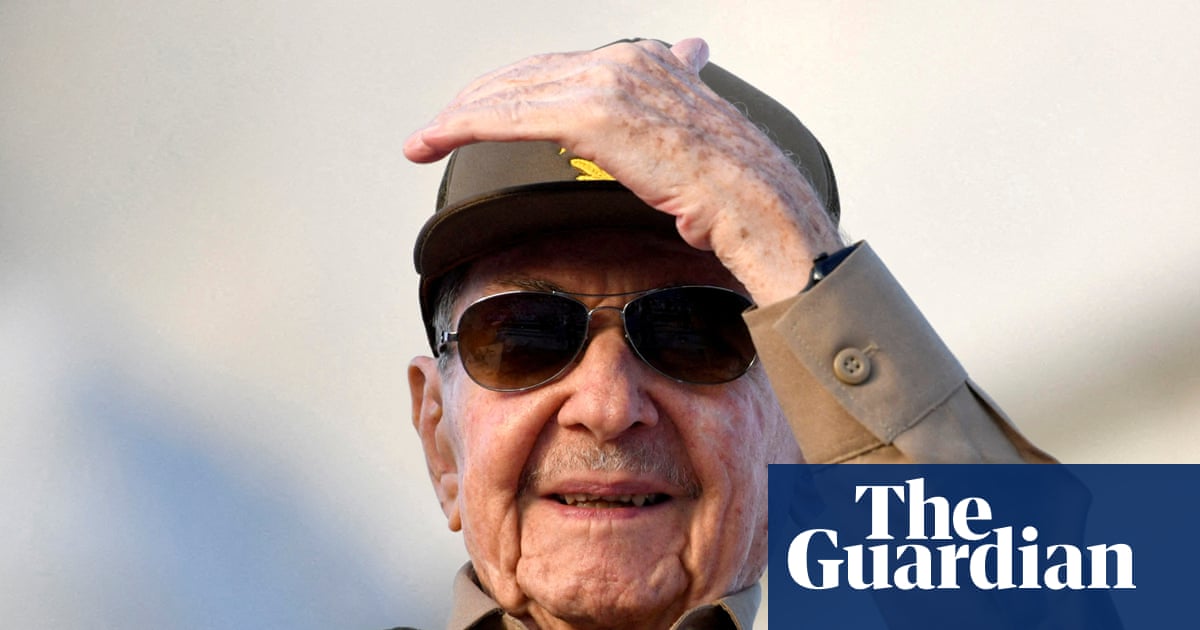
Cuba faces escalating US pressure as reports emerge of a possible indictment targeting Raúl Castro, while the island is already suffering from 22-hour blackouts, fuel shortages, and widening protests. The US has maintained a strict oil blockade for four months, allowed only one Russian crude carrier in, and is linking any aid to "meaningful reforms." The combination of geopolitical escalation, energy scarcity, and potential regime destabilization raises near-term risk for Cuba and regional headlines.
The market implication is less about Cuba itself and more about a renewed US willingness to use asymmetric pressure as a bargaining tool in the Caribbean. If Washington is simultaneously tightening energy access, floating legal escalation, and probing for a regime split, the first-order effect is a rising probability of a disorderly policy response from Havana: rationing, asset seizures, tighter controls on hard-currency channels, and a higher chance of opportunistic alignment with Russia or other sanctioned suppliers. That makes this a negative signal for any regional “normalization” thesis and a positive one for volatility in EM sovereign and near-sovereign risk premia across the Caribbean basin.
The more important second-order effect is on fuel logistics, not headline geopolitics. Cuba’s marginal barrel is now a political instrument, which means any disruption in deliveries can quickly translate into forced demand destruction, non-payment risk, and emergency rerouting through opaque intermediaries. That usually widens spreads for smaller commodity traders and shipowners exposed to sanctioned or quasi-sanctioned cargoes, while benefiting firms with compliance-heavy screening and alternative Atlantic routing optionality. In parallel, elevated blackouts and social unrest increase the odds of near-term domestic repression, which is typically bearish for tourism recovery, remittances, and any consumer-facing exposure to the island.
The key catalyst window is days to weeks: if there is any formal legal move or visible US naval/air posture escalation, markets will price a higher tail probability of miscalculation even if no kinetic action occurs. Over a 1-3 month horizon, the real risk is not invasion but a fracture in Cuban decision-making that forces emergency concessions or a hardening of the regime, both of which keep sanctions risk elevated. The contrarian view is that this may be mostly signaling theater: Washington may want leverage, not regime collapse, and Cuba’s limited strategic value reduces the odds of sustained escalation. If so, the dislocation should fade once the market realizes the rhetoric is larger than the operational follow-through.
AI-powered research, real-time alerts, and portfolio analytics for institutional investors.
Request DemoOverall Sentiment
strongly negative
Sentiment Score
-0.78
Ticker Sentiment
