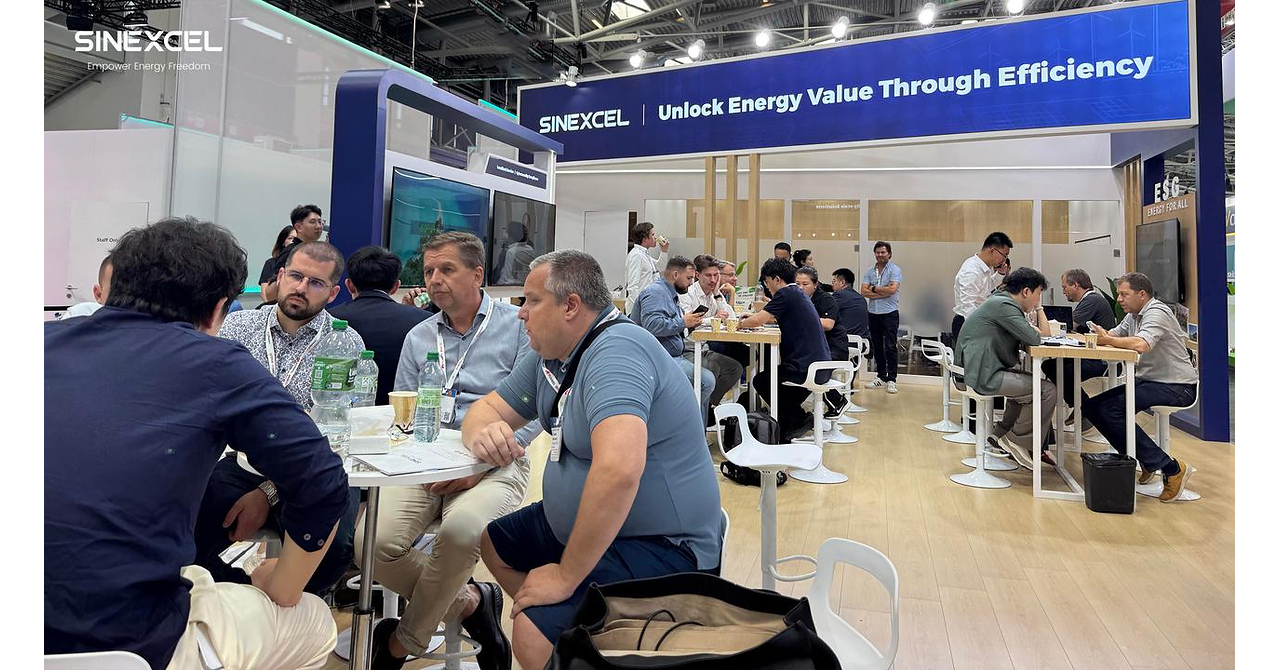
SINEXCEL rozšiřuje na Intersolar Europe 2026 evropský ekosystém pro skladování energie a uvádí PCS StellaON 1250K/1575K pro velkokapacitní nasazení s moduly Infineon (EconoDUAL™3), včetně účinnosti až 98,5 % při plném zatížení. Společnost získala/rozšiřuje evropské certifikace (TÜV SÜD pro připojení k síti a bezpečnost, TÜV NORD pro shodu s polskými síťovými předpisy) a podepsala dohodu k kybernetické odolnosti v návaznosti na EU CRA a směrnici NIS2. Dále rozšiřuje servisní síť po Evropě (např. Eco Service GmbH, Sagacity International) a uzavřela dohodu s Tesla Energy Holding pro projekty BESS v měřítku energetických společností.
For Infineon, the important signal is not the partnership headline but the increasing embedment of its power modules into bankable grid-scale systems. In storage, the value pool is shifting from box-selling to reliability, certification, and lifecycle uptime; that tends to lift content quality and reduce pricing volatility for the semiconductor layer. The catch is that these announcements often precede revenue by quarters, so the immediate equity impact should be modest unless backlog conversion or margin commentary confirms real design-win traction.
The competitive implication in Europe is that compliance and local service are becoming as important as hardware cost. That favors vendors with EU field support and certified stacks, while pressuring low-touch importers and Chinese OEMs that rely on price alone; over 6-18 months, this can compress the economic advantage of lower-cost entrants by forcing them to spend more on documentation, cybersecurity, spares, and local partners. Second-order beneficiaries are regional integrators and service contractors, not just module suppliers.
The main risk is that this remains a marketing story until project awards show up in Poland, Germany, and the Nordics over the next 1-3 quarters. For TSLA, the read-through is weak and mostly indirect: if Europe’s BESS market becomes more fragmented and compliance-heavy, scale alone may matter less than local execution, which is a reminder that energy-storage margin pools can be more competitive than the market assumes. The thesis is falsified if SINEXCEL fails to convert certification into visible order flow or if EU procurement remains driven purely by cost rather than bankability.
AI-powered research, real-time alerts, and portfolio analytics for institutional investors.
Request DemoOverall Sentiment
mildly positive
Sentiment Score
0.25
Ticker Sentiment
