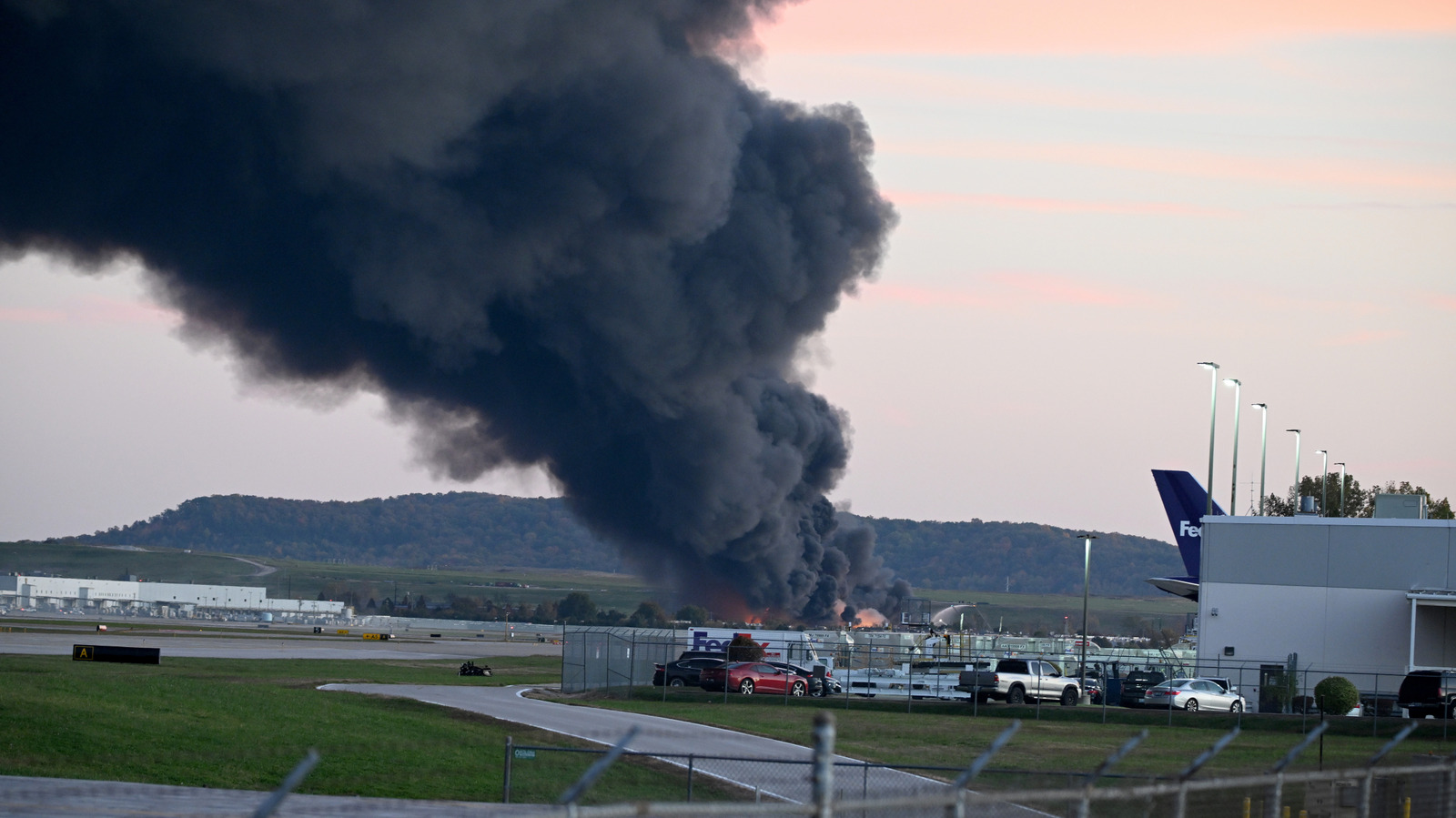
The UPS MD-11 crash killed 15 people and injured 23 others, with the NTSB’s initial findings pointing to a cracked left engine mount and new evidence suggesting Boeing had prior reports of similar failures. Investigators said some cracks in the key engine-support parts were not reported to the FAA, while UPS also faces questions about whether its maintenance schedule was sufficient to catch the issue. The FAA grounded U.S. MD-11s, making this a potentially sector-relevant safety and regulatory issue for cargo aviation and aircraft manufacturers.
This is less about a single accident headline and more about a credibility shock for two layered systems: OEM product stewardship and operator maintenance governance. Boeing’s downside is not just litigation; it is the risk that regulators and customers re-rate its documentation culture as systematically unreliable, which can extend the overhang beyond MD-11 heritage fleets into broader commercial aerospace support contracts and future derivative programs. For UPS, the direct financial hit is likely manageable, but the reputational damage matters because it raises questions about fleet inspection rigor and may force accelerated maintenance spend, higher spare-ratio inventory, and more conservative utilization assumptions across older widebody cargo assets.
Second-order effects favor competitors with cleaner safety narratives and newer fleets. Any operator with exposure to legacy cargo aircraft, heavy maintenance outsourcing, or aging engine/pylon architecture can see a temporary insurance and audit premium; conversely, lessors and OEM-supported fleets with newer type certificates should enjoy relative confidence gains. The market should also expect a longer tail of regulatory scrutiny: initial groundings and document requests can be immediate, but liability allocation, maintenance standard revisions, and potential fleet-wide retrofit mandates are a months-to-years process that can pressure earnings estimates well after the news cycle fades.
The key near-term catalyst is not the final cause determination but incremental evidence of prior notice, documentation ambiguity, or maintenance gaps. If investigators establish a pattern of underreported defects, Boeing faces the more dangerous narrative of preventability, which can widen settlement ranges and invite punitive-style legal discovery, while UPS could absorb a parallel argument that inspection intervals were too loose for this failure mode. The contrarian risk is that the stock reaction may overshoot if the final report spreads responsibility across OEM, operator, and regulator, limiting the probability of a single-company blame event. In that scenario, the best trade is not a blunt directional short, but relative-value exposure to the names most exposed to governance and fleet-age perception.
AI-powered research, real-time alerts, and portfolio analytics for institutional investors.
Request DemoOverall Sentiment
extremely negative
Sentiment Score
-0.85
Ticker Sentiment
