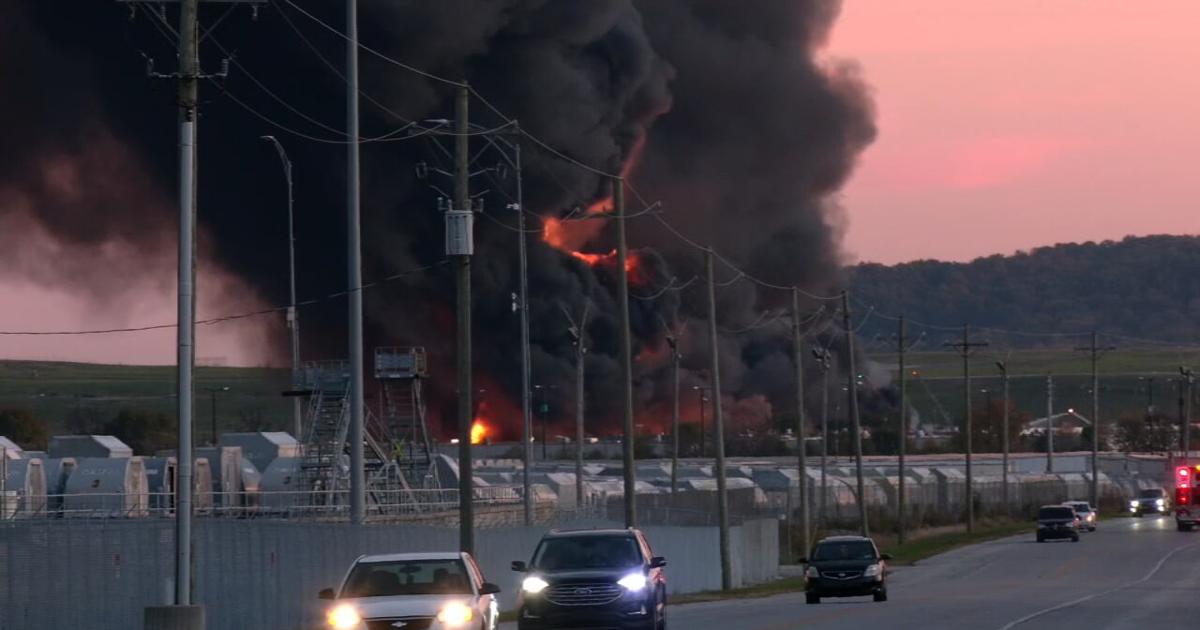
The NTSB’s investigation into the UPS Flight 2976 MD-11 crash has uncovered evidence of fatigue cracks and overstress failure in the engine-to-wing attachment, with 15 fatalities and 23 injuries reported. Hearings are focusing on maintenance, inspection gaps, Boeing service-letter disclosures, and why similar defects were not reported to the FAA, while lawsuits against UPS, Boeing, GE and a maintenance provider continue to mount. The crash has already led to fleet groundings, a UPS MD-11 retirement, and renewed pressure on the FAA to keep MD-11 aircraft out of service.
This is no longer just an idiosyncratic accident story; it is a governance and certification failure that raises the probability of a multi-month liability overhang for both the operator and the OEM. The key market implication is that the near-term damage is likely to come less from one-time settlement headlines than from a slower reset in inspection regimes, asset-utilization economics, and residual-value assumptions for legacy freighters. That matters because cargo carriers optimize hard on aircraft availability; any mandated tightening of interval checks or part replacements will hit dispatch reliability and maintenance expense before it shows up in P&L.
For BA, the second-order risk is that this incident reinforces a narrative investors have seen before: aging legacy designs, diffuse accountability, and lagged remediation turning into forced engineering spend and recurring legal reserves. Even if the fix is technically straightforward, the precedent risk is large: once regulators accept a narrower defect class on one platform, plaintiffs and agencies will pressure cross-fleet reviews on similar engine-pylon architectures and maintenance documentation. That creates a longer tail than the headline event, with potential spillover into spares, service revenue, and certification workload across Boeing’s commercial support stack.
UPS is caught between litigation, reputational damage with enterprise shippers, and the operational cost of proving higher safety standards on a network built around throughput. The risk isn’t just claims from this crash; it’s a possible increase in insurance premiums, more conservative maintenance scheduling, and tighter oversight that reduces aircraft productivity over the next 2-4 quarters. FDX is a relative beneficiary only insofar as customers seek diversification away from UPS, but that is likely muted because freight demand weakness and rate pressure limit the ability to monetize share shift quickly.
The contrarian angle is that the market may already be pricing the obvious liability shock, while underestimating how much of the outcome gets pushed into future inspections, accelerated retirements, and procurement decisions. If regulators use this to force fleet-wide remediation, the biggest economic loser may be not the accident-defendant of the day but the owner of the broadest installed base of aged narrowbody/freighter assets. In that scenario, the trade is less about a one-day selloff and more about owning the names with cleaner fleets and avoiding those with the highest legacy-support burden.
AI-powered research, real-time alerts, and portfolio analytics for institutional investors.
Request DemoOverall Sentiment
strongly negative
Sentiment Score
-0.78
Ticker Sentiment
