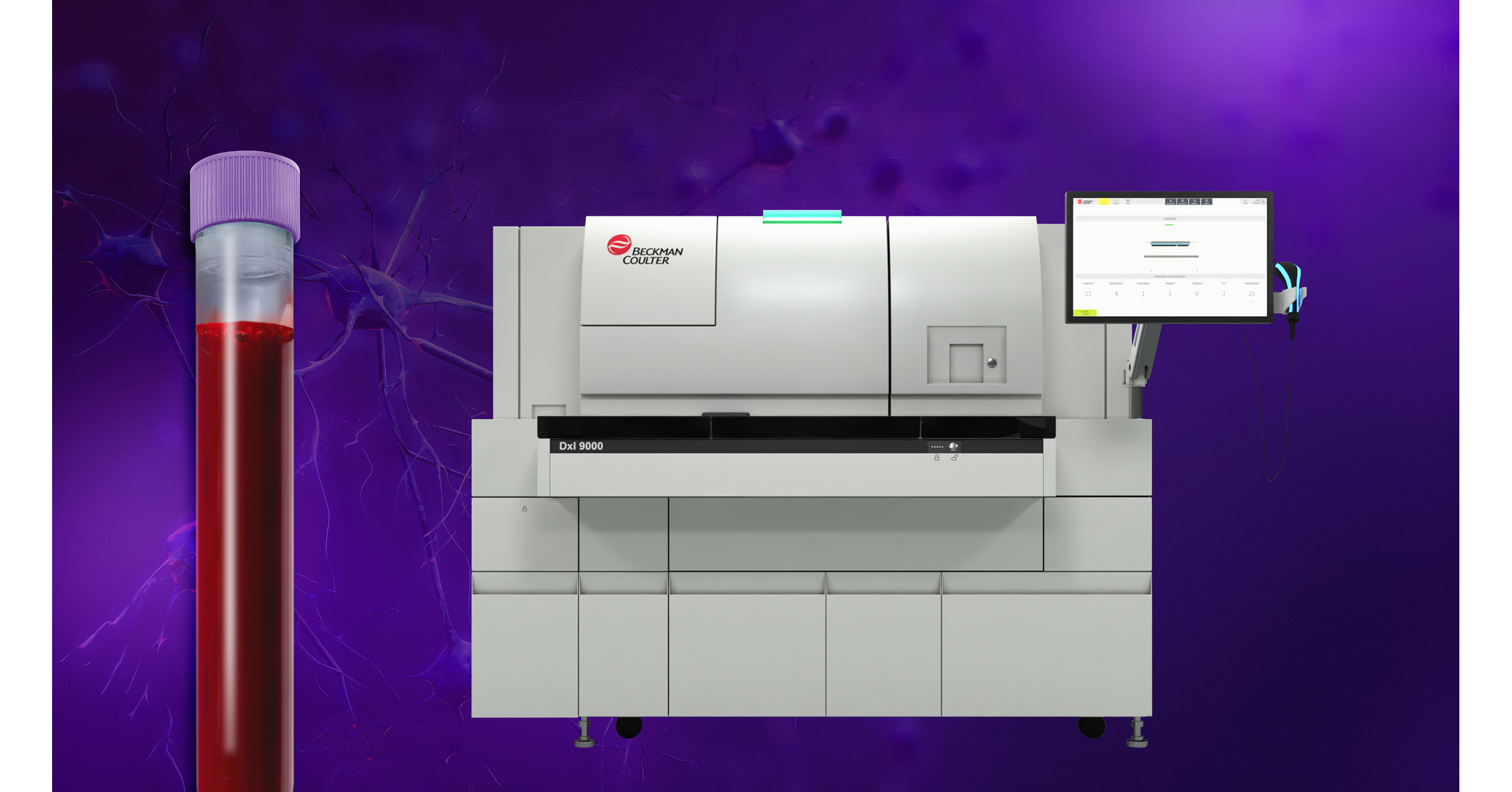
Beckman Coulter Diagnostics received CE Mark under IVDR for its Access p-Tau217 blood test in Europe, enabling routine clinical evaluation of amyloid pathology in patients with cognitive decline symptoms. The company also launched a high-specificity Access BD-pTau217 Research Use Only (RUO) assay at AAIC 2026, both powered by the DxI 9000 Immunoassay Analyzer to support scalable, automated workflows. While no financial figures were provided, the regulatory approval and product expansion support broader adoption of blood-based Alzheimer’s biomarker testing.
This is more a platform-positioning event than an earnings event. The economics matter because a CE-marked, automated assay can turn a single biomarker into recurring reagent pull-through and, more importantly, raise switching costs for the entire neurodegenerative menu once labs standardize on one analyzer. That favors DHR’s diagnostics moat versus slower-moving peers like Roche, Abbott, and Siemens Healthineers if they do not match the workflow density quickly.
The second-order upside is in referral flow: if blood-based screening becomes routine, more patients get routed earlier into confirmatory pathways, which can shift demand away from PET-heavy and CSF-centric workflows over 6-18 months. That is not immediately visible in revenue, but it can quietly expand the addressable market for assay platforms while pressuring imaging-centric economics if reimbursement and guidelines move in the same direction. The RUO brain-derived version is mainly a research wedge today, but it helps DHR own the biological standard-setting process before FDA/reimbursement economics matter.
Contrarian view: the market may overestimate near-term monetization and underestimate the strategic value of being first into a lab workflow that can bundle multiple neuro markers on one instrument. If adoption is slow, this is a non-event financially; if adoption accelerates, the upside is higher multiple quality and better consumables visibility rather than a one-time revenue spike. Key falsifiers are lack of guideline/reimbursement traction over the next 2-3 quarters, or a matching competitive launch that removes DHR’s first-mover workflow advantage.
AI-powered research, real-time alerts, and portfolio analytics for institutional investors.
Request DemoOverall Sentiment
moderately positive
Sentiment Score
0.45
Ticker Sentiment
