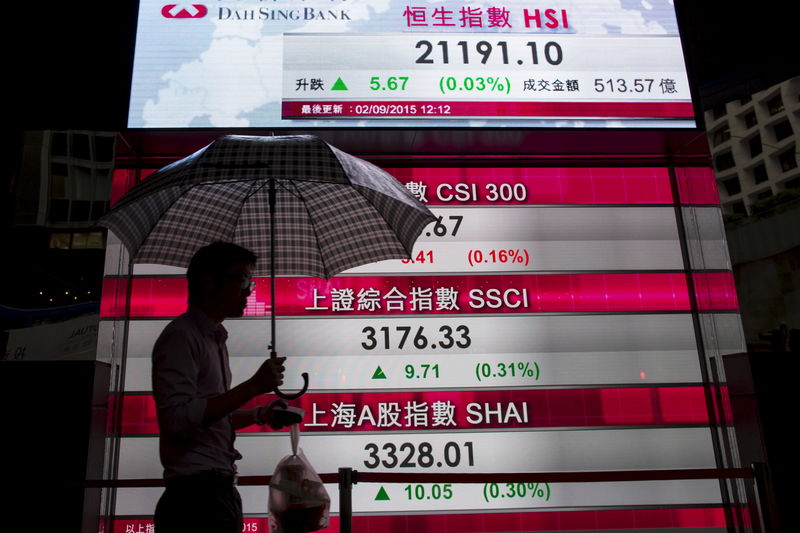
Samsung reported another quarter of record profit, but shares slid 8% and dragged the KOSPI down 6.9% as investors questioned whether AI-driven memory-chip earnings will persist. The selloff spread through the AI supply chain with SK Hynix down 8%, Murata down 8.3%, and MediaTek down nearly 3%, despite stronger results from some peers. Risk focus shifts to regional inflation/CPI prints (Thailand 2.6% YoY, NZ expected +25 bps) and upcoming Fed minutes as markets reassess monetary policy and the sustainability of AI valuation levels.
The market is punishing duration, not the quarter: memory/AI names are trading like a leveraged bet on hyperscaler capex staying at an extreme growth rate, so even a strong print can trigger de-rating if investors start modeling normalization. That makes the weakest link the highly cyclical parts of the AI stack — HBM, assemblers, passive components — where earnings revisions can flip fast if orders are pulled forward and then pause.
Relative winners are the names with either clearer pricing power or less single-theme dependence. NVDA is still the cleanest liquid expression of AI spending, but the risk/reward is better as a quality hedge than an outright long because the entire complex is being marked on EV/FCF skepticism. TSM should hold up better than pure memory suppliers because it benefits from a broader mix of leading-edge demand and has less direct exposure to any one end-market capex pause.
The second-order damage is to the downstream supply chain: assembly and component vendors can see bookings slow before chip unit data shows it, so the pain can spread to Taiwan/Japan hardware names with a lag of 4-8 weeks. Contrarianly, the selloff may be partly overdone tactically because constrained HBM supply can keep margins elevated even if incremental demand cools; the real falsifier is not one quarter but whether hyperscaler capex guidance and HBM price trends stay firm into the next earnings cycle.
Catalysts over the next 1-3 months are hyperscaler earnings/guidance, Fed minutes, and inflation prints that influence the discount rate applied to high-multiple AI assets. If capex guidance inflects higher again, this drawdown should reverse quickly; if not, the de-rating can persist for 6-18 months as investors demand proof of monetization rather than just spend.
AI-powered research, real-time alerts, and portfolio analytics for institutional investors.
Request DemoOverall Sentiment
mildly negative
Sentiment Score
-0.35
Ticker Sentiment
