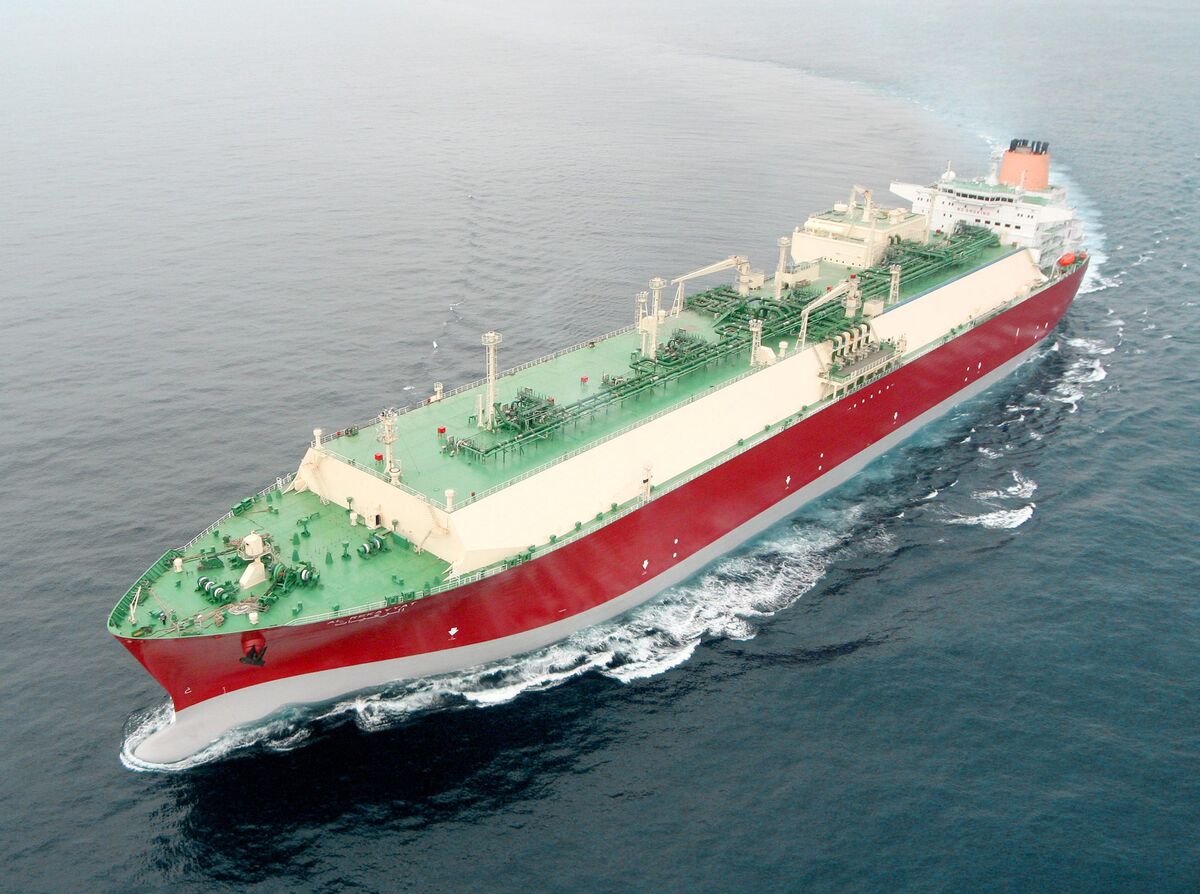
A Qatari LNG carrier was attacked near the Strait of Hormuz as it exited early Tuesday, jeopardizing Qatar’s role as a mediator between the US and Iran. The incident follows about a week-long lull in hostilities in the key conflict corridor, raising renewed risk to regional shipping and energy flows. Market impact is likely to be outsized given Hormuz’ centrality to Gulf energy logistics and potential price volatility.
The market mechanism here is not immediate lost barrels; it is a higher probability of a longer-lived Gulf risk premium because the diplomatic backchannel itself is now less credible. That matters most for LNG and refined-product optionality: if insurance, routing, or buyer confidence deteriorate, the first move will show up in freight and prompt gas differentials before it shows up in headline spot volumes.
In the next few days, this is mostly a volatility event. In 1-3 months, sustained attacks would widen the gap between flexible non-Gulf supply and Qatar-linked molecules, which is constructive for U.S. LNG exporters and LNG shipping names, while pressuring airlines, industrials, and gas-intensive consumers through input-cost uncertainty. The second-order loser is any asset whose valuation depends on a clean de-escalation path; if mediator credibility erodes, the odds of a quick geopolitical off-ramp fall even if the physical flow disruption stays limited.
The contrarian view is that the market may overprice a supply shock and underprice a confidence shock. Hormuz has survived many brinkmanship episodes; the bigger edge is owning convexity, not chasing spot beta. Falsifiers are simple: if war-risk insurance and LNG freight rates do not move, or if Qatar resumes a credible mediation track within days and shipping resumes without rerouting, the trade should fade quickly.
AI-powered research, real-time alerts, and portfolio analytics for institutional investors.
Request DemoOverall Sentiment
moderately negative
Sentiment Score
-0.35
Ticker Sentiment
