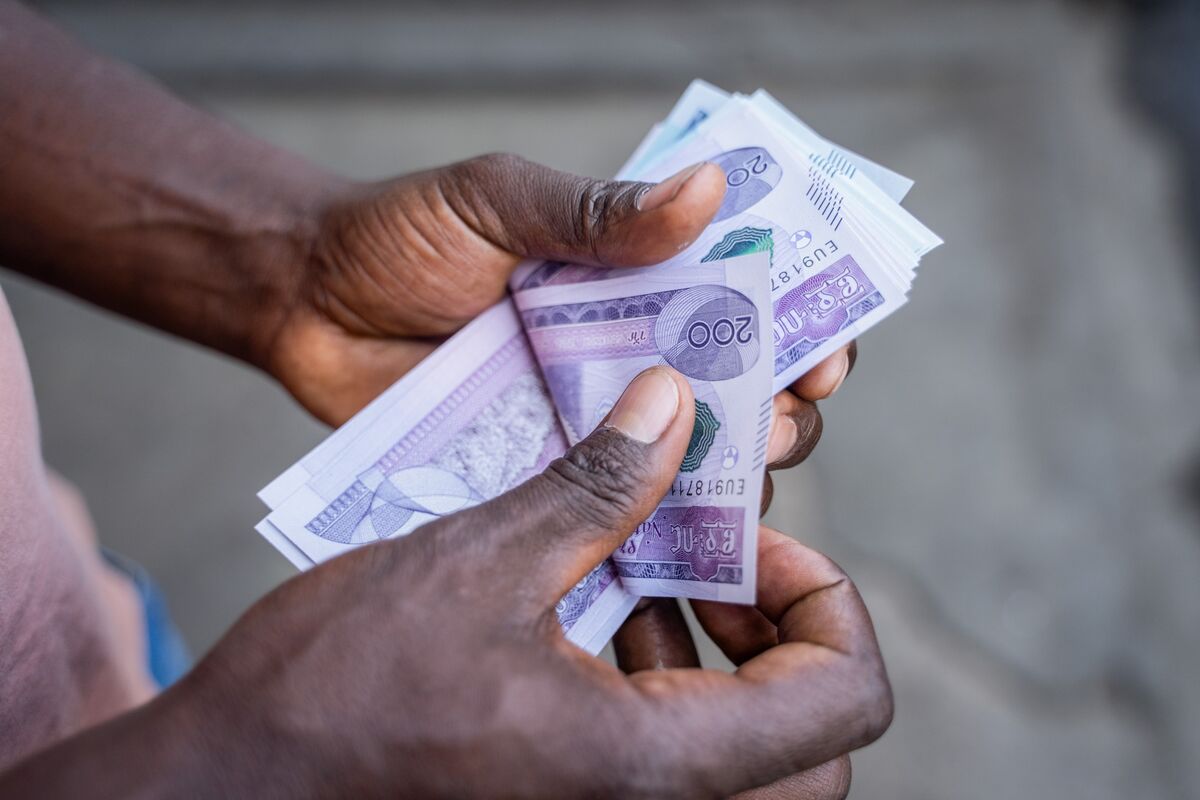
Ethiopia’s central bank sold $500M to local banks after receiving $710M in bids, in a fresh effort to ease dollar shortages and slow the birr’s decline. The central bank reiterated that the latest “special auction” follows repeated interventions, drawing on FX reserves. This suggests ongoing currency/liquidity stress rather than stabilization, which is likely to keep near-term pressure on EM FX sentiment.
This reads less like stabilization and more like a reserve-transfer mechanism: authorities are temporarily satisfying dollar demand while shrinking the ammunition needed to defend the currency later. The immediate winner is the banking system’s trade-finance function, because access to scarce FX can generate fees and reduce near-term client panic; the hidden loser is the balance sheet of the economy itself, as imports are being financed with a shrinking external buffer.
The second-order risk is spread widening between the official and parallel FX markets. That usually pushes corporates to hoard dollars, accelerates deposit dollarization, and starves banks of stable local-currency funding, which eventually shows up as slower loan growth and higher NPLs for import-dependent borrowers. For CBSU-type exposure, the near-term optics can look better than fundamentals, but the medium-term earnings path worsens if FX is rationed rather than normalized.
The key question is not whether the intervention buys days; it does. The question is whether there is a credible external financing backstop over the next 1-3 months. Without that, the policy mix tends to force either a larger devaluation or tighter controls over 6-18 months, both of which are negative for domestic credit and for any bank with meaningful exposure to trade settlement and import-linked borrowers.
AI-powered research, real-time alerts, and portfolio analytics for institutional investors.
Overall Sentiment
mildly negative
Sentiment Score
-0.35
Ticker Sentiment
