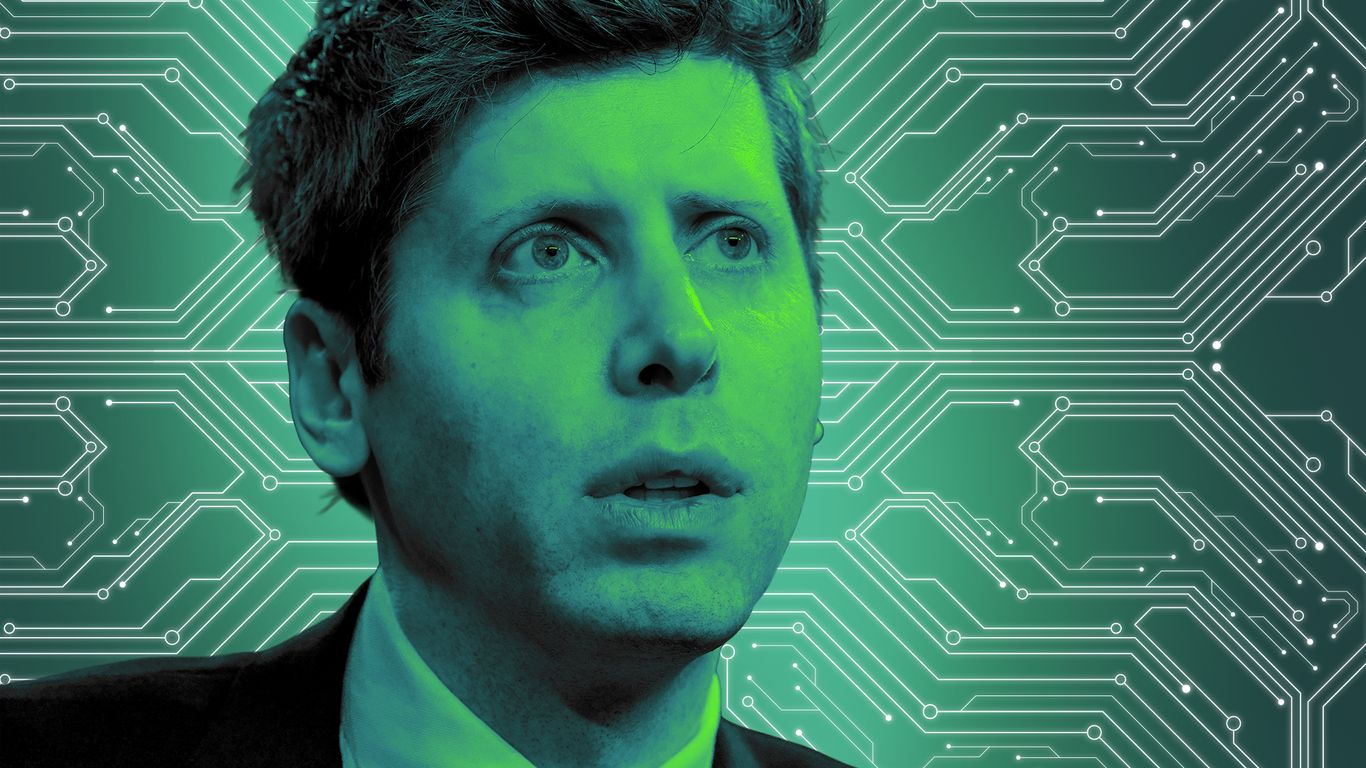
OpenAI is reportedly preparing a confidential IPO prospectus that could be filed shortly, with timing still fluid and a potential public debut likely later this year. The article frames the move as part of a broader AI IPO wave alongside Anthropic and SpaceX, with shared banking relationships at Goldman Sachs, Morgan Stanley, and JPMorgan Chase. The news is notable for private-market and IPO sentiment, but it does not confirm a filing date or pricing details.
This is less about OpenAI’s capital needs than about bank positioning in a narrow window where the same elite franchises can monetize multiple marquee processes. The real second-order effect is that a clustered wave of AI/private-market listings could re-rate the entire late-stage venture complex by giving LPs a fresh exit path, which may temporarily compress private valuation discounts and encourage more pre-IPO paper supply into the market.
For the banks, the main upside is not headline IPO fees but relationship defense: winning or even participating in one of these deals increases probability-weighted credit, M&A, derivatives, and treasury wallet share across the AI stack over the next 12-24 months. The risk is cannibalization — if both listings hit in close succession, investor attention and risk capital may be finite, forcing one deal to clear at weaker terms or slower post-IPO performance, which can mute the fee-annuity thesis.
The market is likely underpricing how sensitive this is to sequencing. A delayed OpenAI filing after a SpaceX filing would create a perceived “miss,” while a quick filing could be read as competitive signaling rather than pure fundraising, increasing pressure on other private AI names to show governance readiness and path-to-profitability. That said, any public-market step for OpenAI also increases scrutiny on disclosure, revenue concentration, and model-capex intensity — if those metrics disappoint, the enthusiasm can reverse quickly within days of an S-1 drop, even if the broader AI narrative stays intact.
The contrarian angle is that the real bottleneck may be capacity, not demand: there are only so many investors willing to anchor large, opaque, loss-making AI IPOs at once. If the market senses supply is being rushed into a narrow calendar window, the trade shifts from “IPO frenzy” to “supply overhang,” especially for anything adjacent to the same banks or theme baskets.
AI-powered research, real-time alerts, and portfolio analytics for institutional investors.
Request DemoOverall Sentiment
neutral
Sentiment Score
0.10
Ticker Sentiment
