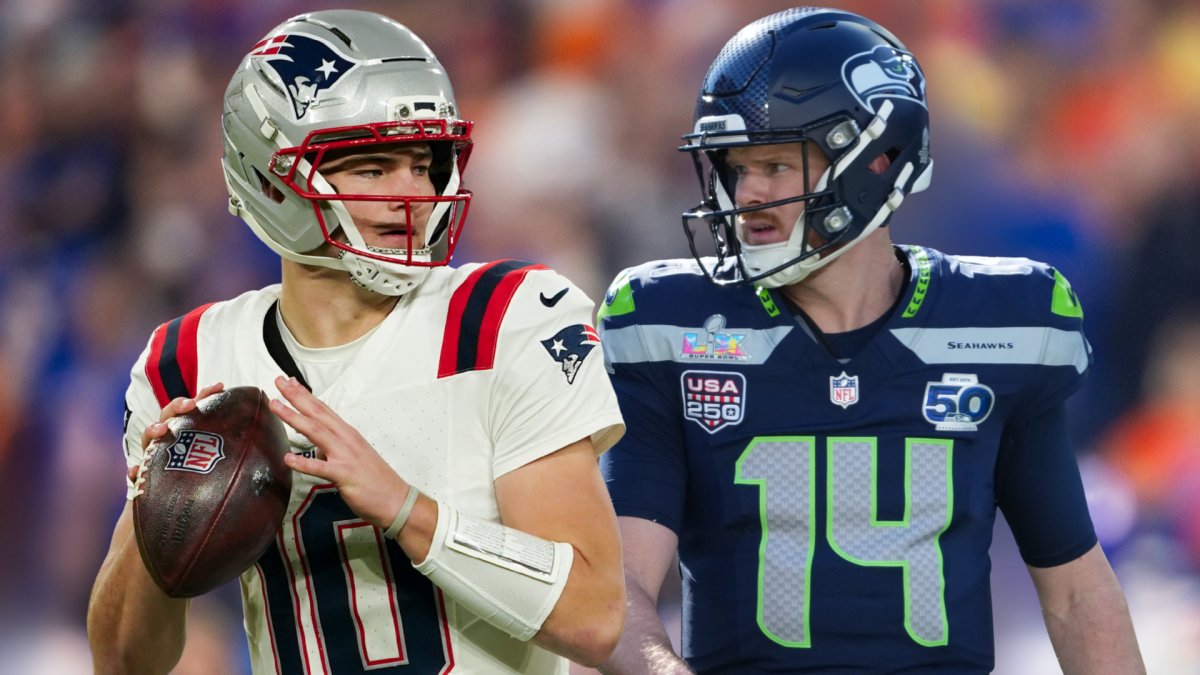
The New England Patriots' 2026 schedule includes five primetime games, a Week 1 Super Bowl rematch on the road against Seattle, and a Week 10 trip to Munich, Germany to face Detroit. The slate features tough home and road opponents, including the Broncos, Packers, Steelers, Chiefs, and Bills. The article is informational and does not indicate a material market-moving development.
The market-relevant angle here is not the football schedule itself, but the monetization window it creates around a team already at peak national relevance. Five primetime appearances plus an international game expands premium ad inventory, strengthens sponsor demand, and should support higher CPMs for every Patriot-adjacent media package this season. The first-order beneficiaries are local broadcast partners and league-level media rights holders; the second-order effect is that the NFL’s “must-see” inventory gets even more concentrated into a handful of brands, which is structurally negative for non-premium live sports rights and fragmented entertainment viewing.
The Germany game matters more than it looks because international windows increasingly function as brand extension events, not just one-off gate receipts. That tends to lift travel, hospitality, and merchandising economics around the trip, but the incremental value is likely to show up in adjacent categories rather than team P&L headlines. The real competitive implication is that the Patriots’ national exposure becomes self-reinforcing: more primetime means more discourse, which improves sponsor leverage and future scheduling priority if performance remains strong.
On the risk side, the biggest variable is not schedule difficulty alone; it is whether the team stays in the national content rotation. If on-field results underwhelm early, the monetization uplift from primetime inventory can decay quickly in-season, and some media partners may see weaker audience retention after the initial bump. The contrarian view is that the market may be overestimating the durability of schedule-driven media gains: the value is front-loaded over the next 1-2 quarters, while the downside from a disappointing season would show up later through softer brand heat and less favorable future slotting.
AI-powered research, real-time alerts, and portfolio analytics for institutional investors.
Request DemoOverall Sentiment
neutral
Sentiment Score
0.05
