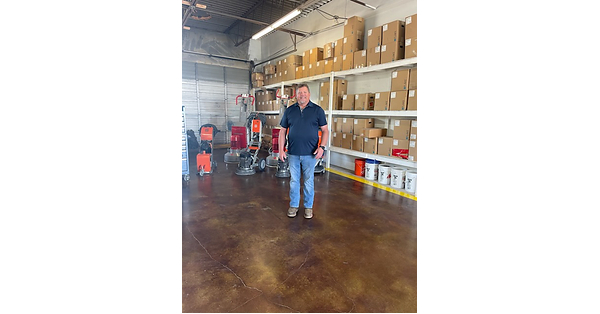
HelloNation publishes guidance (citing Mike Taylor of B&T Floor Coatings) stating that proper concrete moisture testing—starting with a 24-hour plastic sheet test and potentially using moisture meters, calcium chloride, or relative humidity testing—is critical to prevent garage floor coating failures like peeling and bubbling. The article emphasizes matching coating systems to measured moisture levels (standard epoxy vs. moisture-tolerant systems) and improving adhesion through proper surface preparation and mechanical profiling. It also notes that local temperature and humidity during testing/installation affect coating performance and curing.
This reads as a micro-signal about installation quality, not demand. The only investable takeaway is a potential mix shift toward higher-margin, moisture-tolerant professional systems versus low-end DIY epoxy kits, which would marginally favor premium coatings players and distributor channels over commodity formulators. But the dollar impact is too small to matter unless it shows up in broader contractor spend or retailer mix data.
The second-order effect is on failure rates and replacement cadence: better prep and moisture testing should reduce warranty claims and rework, which is mildly negative for repeat consumption of low-quality kits but positive for contractors that sell labor, testing, and premium products. Over 1-3 months, the catalyst would be evidence of stronger pro-channel sales in paint/coatings; over 6-18 months, any sustained shift in housing repair/renovation spending could matter more than this article itself.
Contrarian view: the market should ignore this. Educational content from a local installer is not a demand datapoint, and improved durability can actually compress unit volumes by lowering do-overs. If anything, the thesis only becomes relevant if SHW, RPM, or PPG commentary shows an acceleration in premium floor-coating mix or if Home Depot/Lowe's contractor aisle data confirms it. Absent that, this is a no-trade and should be treated as an alert rather than a signal.
AI-powered research, real-time alerts, and portfolio analytics for institutional investors.
Request DemoOverall Sentiment
neutral
Sentiment Score
0.00
