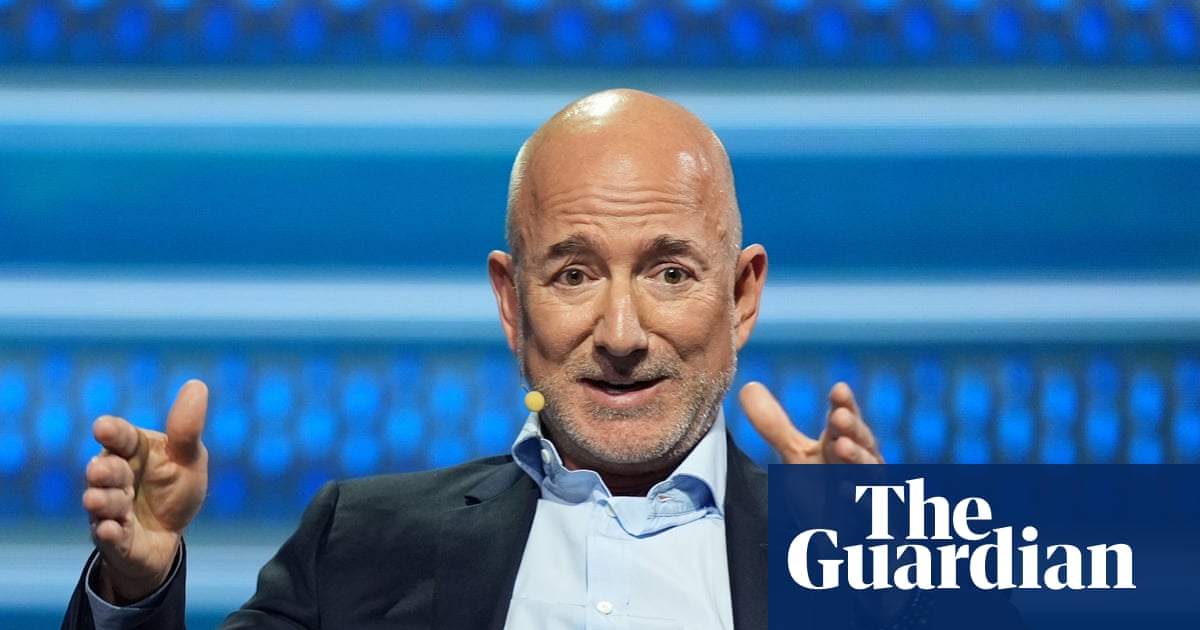
Amazon’s Melania documentary cost $40m to acquire and about $35m to market, but generated only $16.7m worldwide at the box office, indicating a poor theatrical return. Jeff Bezos denied personal involvement and defended the deal as a business decision, while the film drew criticism over possible pay-to-play concerns and bribery implications tied to the Trump administration. The story is mainly reputational and governance-related rather than a direct operating update for Amazon.
The market issue is not the film’s economics in isolation; it is the distribution of regulatory optionality embedded in a mega-cap platform. Even if the content P&L is immaterial, the perceived willingness to pay up for politically adjacent assets can widen the discount investors assign to Amazon’s governance quality, especially when it is already under a heavier-than-average antitrust and labor policy overhang. That said, the more durable second-order effect is reputational: creators, studios, and agencies may demand stricter approval rights or harder commercial terms if they believe Amazon content strategy is vulnerable to executive-level politicization.
This is a classic months-long overhang rather than a days-long tape mover. The near-term risk is not a direct earnings hit, but a higher probability that any future Washington-sensitive Amazon decision gets framed as quid pro quo, which can amplify legal discovery risk and increase the cost of doing business in regulated content, advertising, and cloud procurement. If the story keeps resurfacing, it also creates an asymmetry: negative headlines can recur at little incremental cost, while any incremental proof of independence will be hard to monetize.
The contrarian view is that investors may be overestimating cash impact and underestimating strategic insulation. Amazon can absorb a nine-figure media misfire; the more important question is whether this changes behavior at the margin in ways that impair deal sourcing or internal controls. If management is forced to impose more formal governance gates on politically exposed transactions, that could actually improve process discipline and reduce future tail risk, even if it slightly slows opportunistic media buys.
For competitors, the opening is selective rather than broad. Streamers and studios with cleaner governance optics can market themselves as lower-friction partners for talent and distributors, while Amazon’s rivals may see modest share gains in high-trust brand partnerships. The stock reaction should be limited unless the issue migrates from headline noise into subpoenas, document requests, or procurement scrutiny, which would extend the timeline from weeks to quarters.
AI-powered research, real-time alerts, and portfolio analytics for institutional investors.
Request DemoOverall Sentiment
neutral
Sentiment Score
-0.05
Ticker Sentiment
