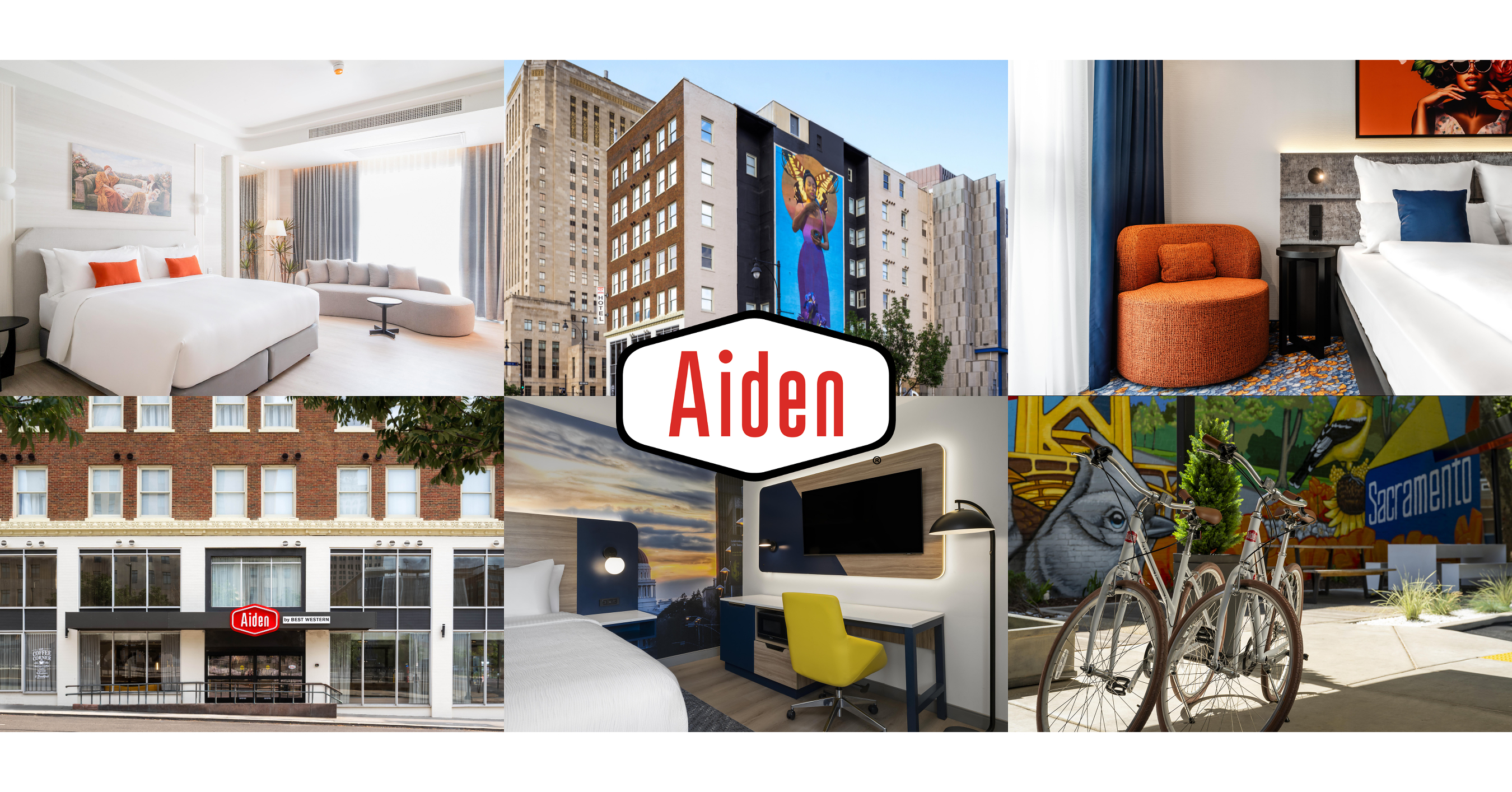
BWH Hotels said its design-driven Aiden boutique brand will reach 58 hotels worldwide, citing sustained demand for its flexible development model and locally inspired guest experience. The company highlighted multiple 2026 openings (e.g., 77-room Aiden Surawong Bangkok in May 2026) and additional planned launches into late 2026 and early 2027, including Aiden Toronto Airport (Fall 2026) on debut in Canada and Aiden Pullman (Summer 2027). It also expanded its “Art Welcomes You In” mural/installation program, positioning it as a core differentiator for developers and travelers.
This reads more like a distribution/branding update than a fundamental inflection. The economic value is not the murals or the “design-led” language; it is whether the brand can keep signing conversion-friendly properties at a low owner capex threshold, which supports fee growth and reduces dependence on new-build cycles. For public comps, that is mildly favorable for asset-light franchisors with strong loyalty ecosystems, but the magnitude is small unless this translates into faster pipeline conversion rates over the next 2-4 quarters.
Second-order, the competitive pressure is aimed less at luxury than at independent upper-midscale and soft-brand alternatives in secondary markets and airport nodes. If BWH can package local identity plus a recognizable rewards program, it can steal conversion deals from smaller regional operators and from hotel owners who would otherwise choose no-chain branding; that is incrementally negative for boutique independents and marginally positive for branded flags. The “adaptive reuse” angle also matters: if office-to-hotel conversions keep working, supply can appear faster in select urban nodes, which can cap ADR upside for nearby hotels even if occupancy holds.
The contrarian view is that investors often over-interpret brand-pipeline PRs as a demand signal; in reality, the near-term share price impact for public lodging names is usually zero unless there is proof of RevPAR outperformance or fee revenue acceleration. The real catalyst to watch is not opening count, but whether these properties lift systemwide loyalty engagement and repeat-booking economics by year-end. If not, this stays a story about aesthetics, not earnings.
AI-powered research, real-time alerts, and portfolio analytics for institutional investors.
Request DemoOverall Sentiment
mildly positive
Sentiment Score
0.22
Ticker Sentiment
